
A walk of aspiration and hope
How can surfacing stories of social mobility infuse hope and belonging among students in Harlem?
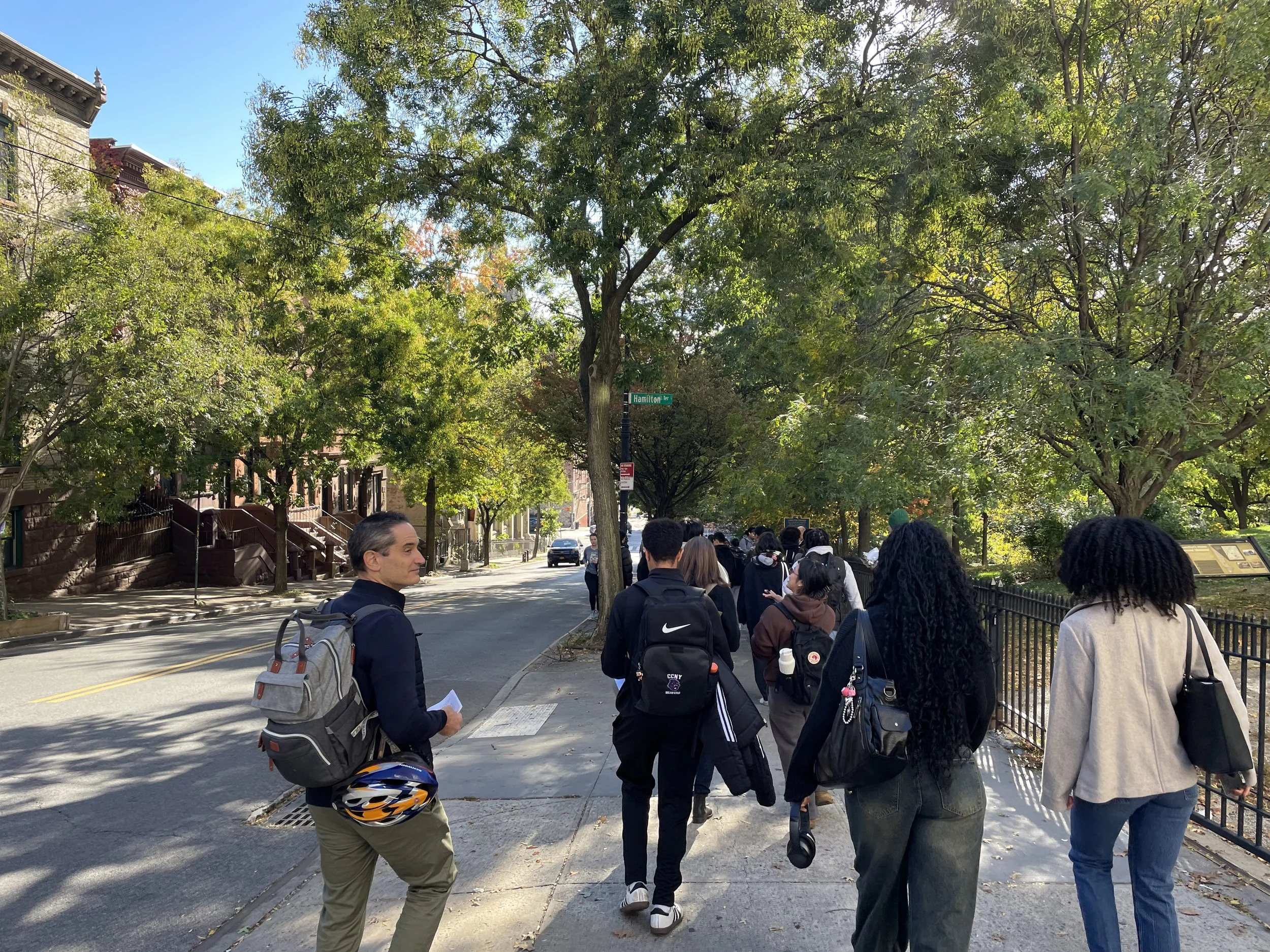
The Cities of Awe Lab invited students from the City College of New York to participate in an Awe and Social Mobility Walk through the CCNY campus and the surrounding streets of East Harlem. Organized in partnership with Bob McKinnon at the Colin Powell School’s Social Mobility Lab, the walkshop explored powerful sites of history, resilience, and inspiration adjacent to campus.
Inspired by research on social mobility and awe, the experience encouraged students to engage with their surroundings through the lens of awe. They were invited to notice moments of wonder in the places that make up their everyday routines.
The walk included visits to the following places:
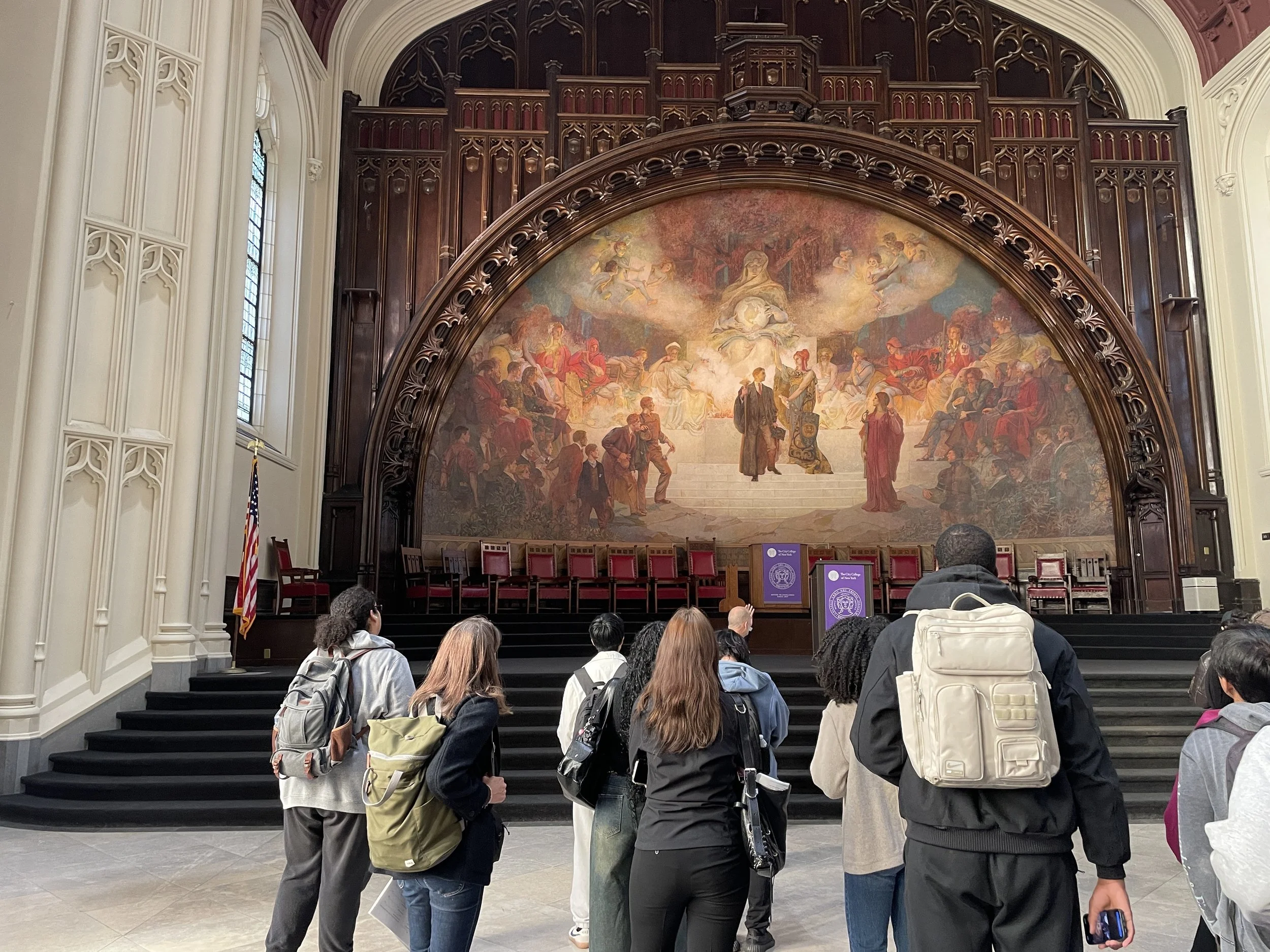
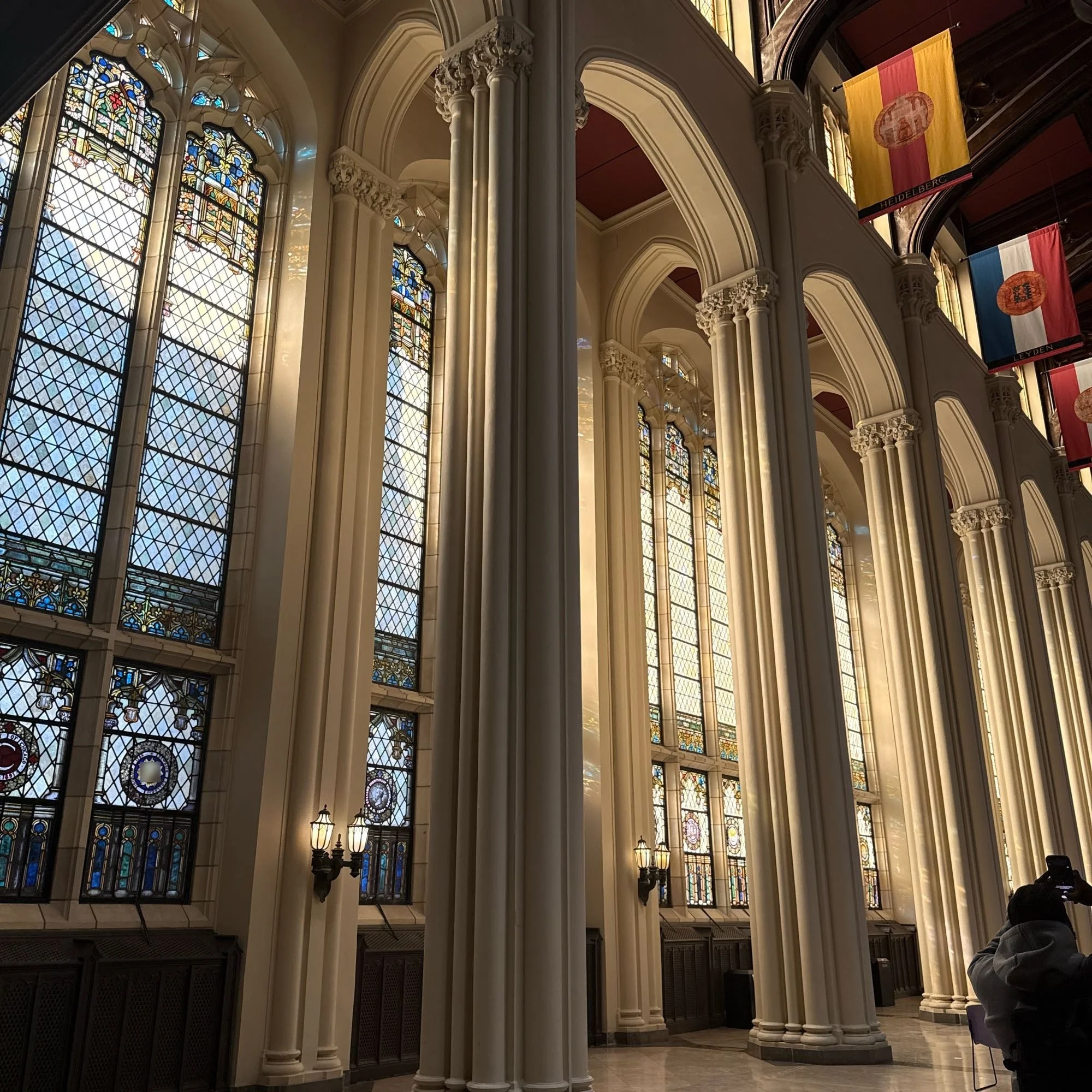
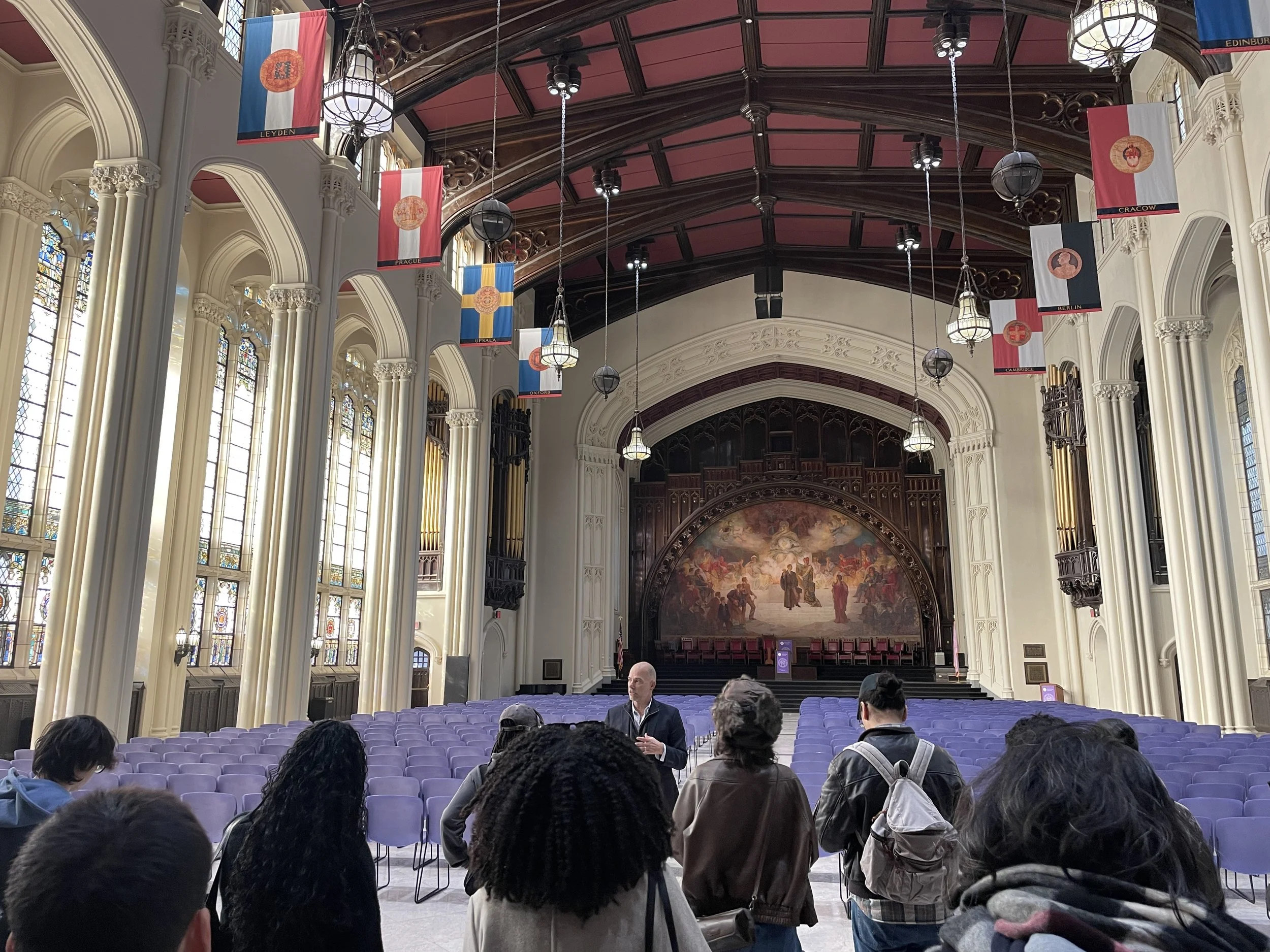
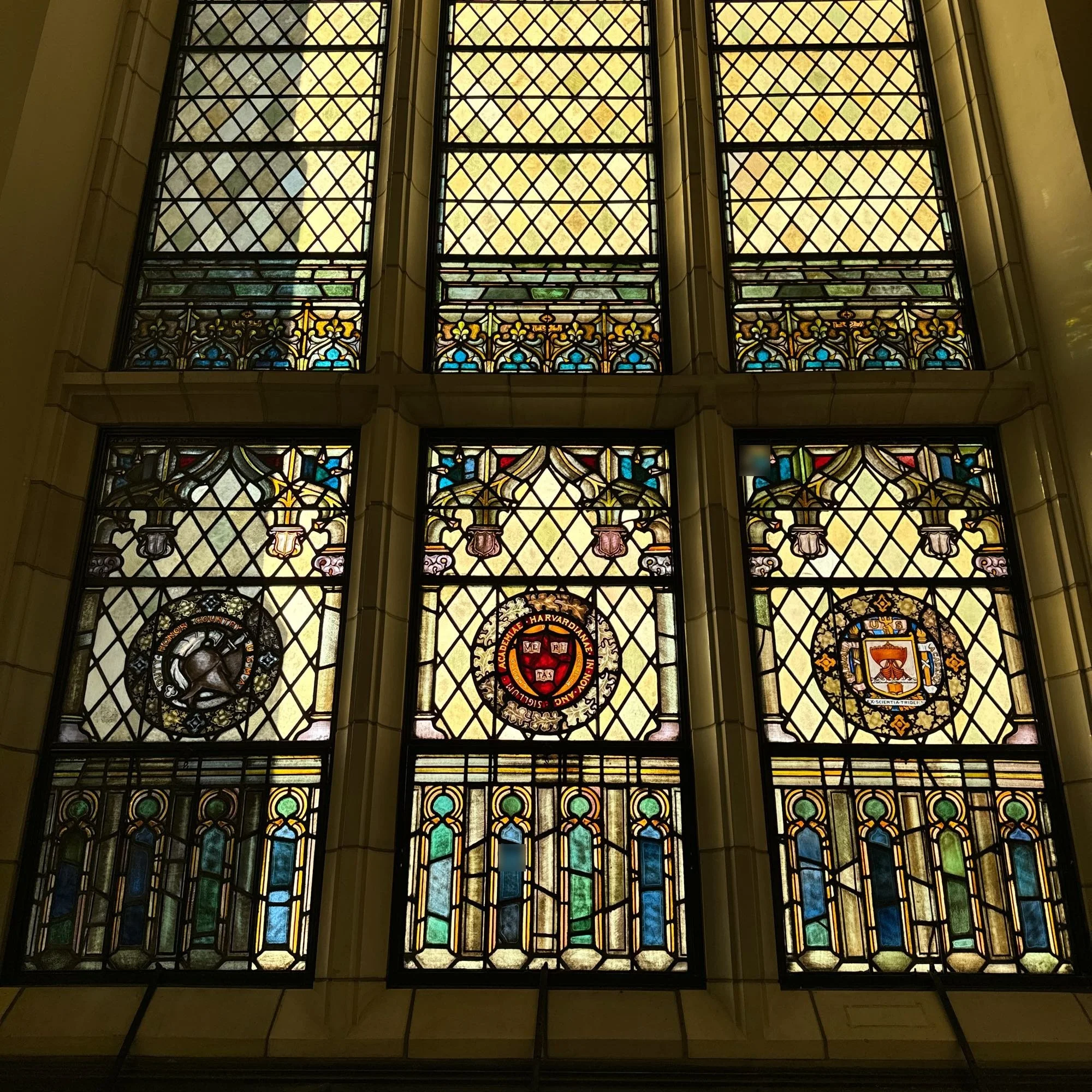
Great Hall at City College of New York, a space that symbolizes CCNY’s mission of education as a pathway to social mobility. Standing within its grand architecture, students reflected on how public institutions can open doors across generations, shaping not only individual lives but also entire communities.
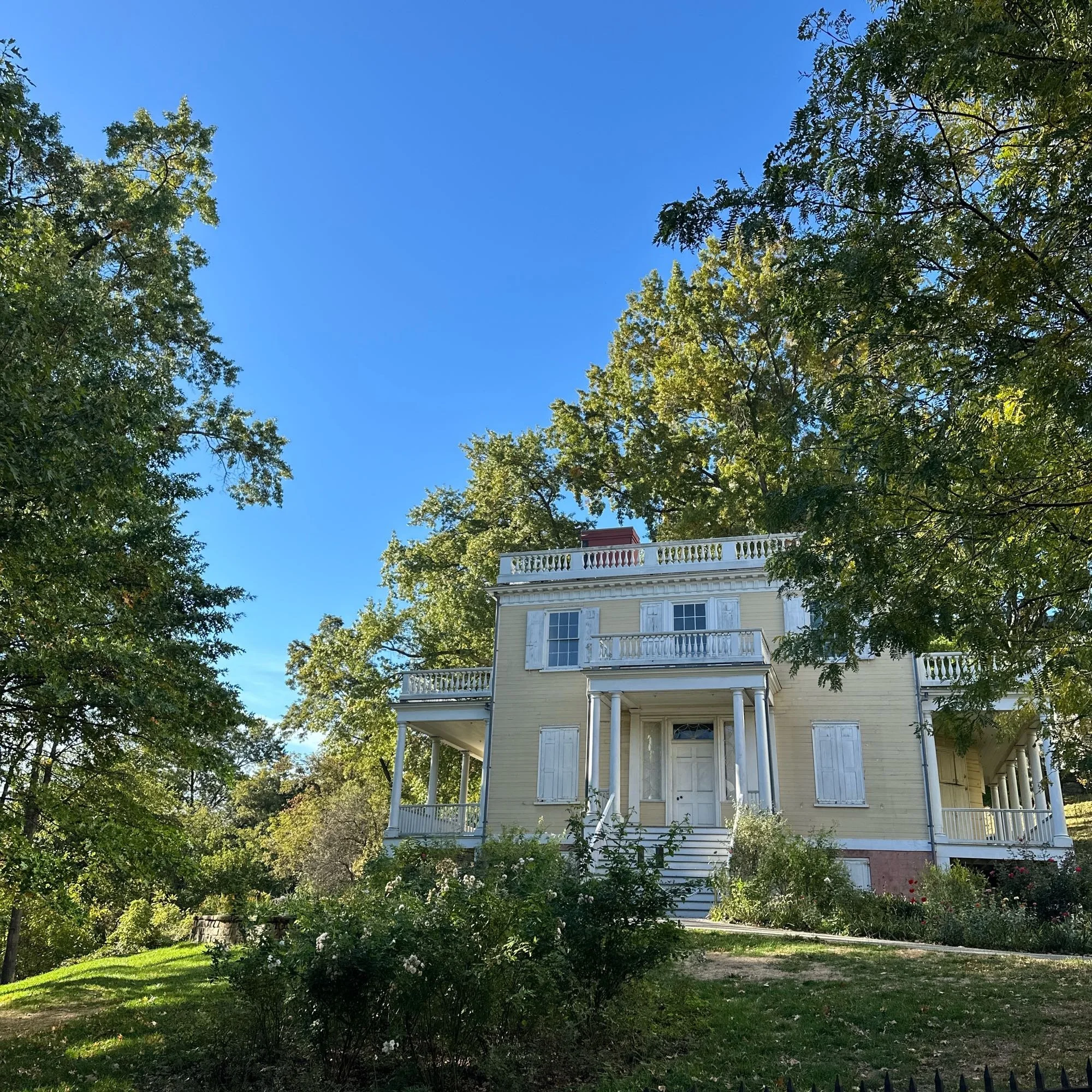
Hamilton Grange, the historic home of Alexander Hamilton. At this site, students considered the story of a Caribbean immigrant whose ideas played a foundational role in shaping the United States. The house prompted reflection on how migration, ambition, and vision have long been central forces in American history.
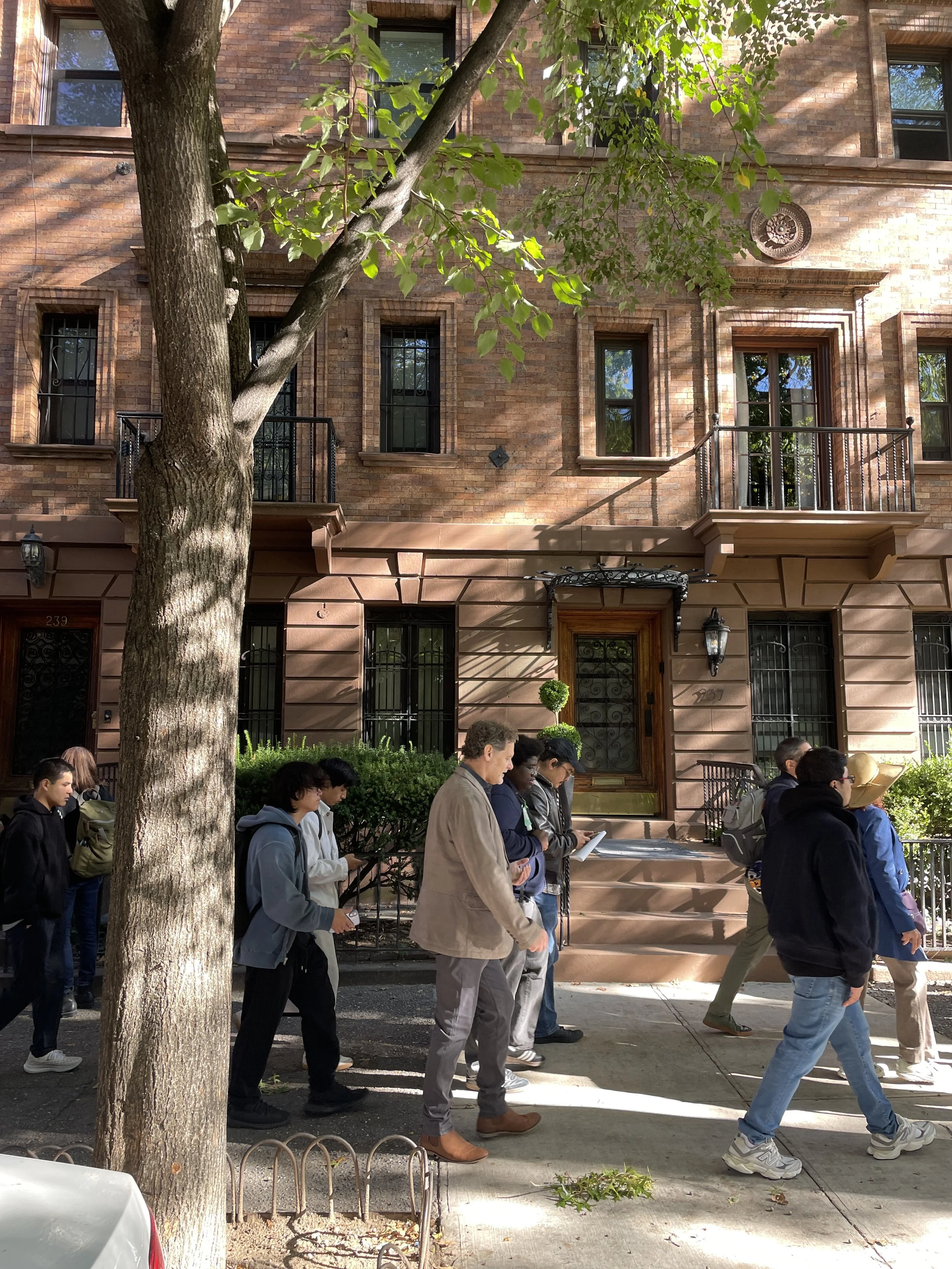
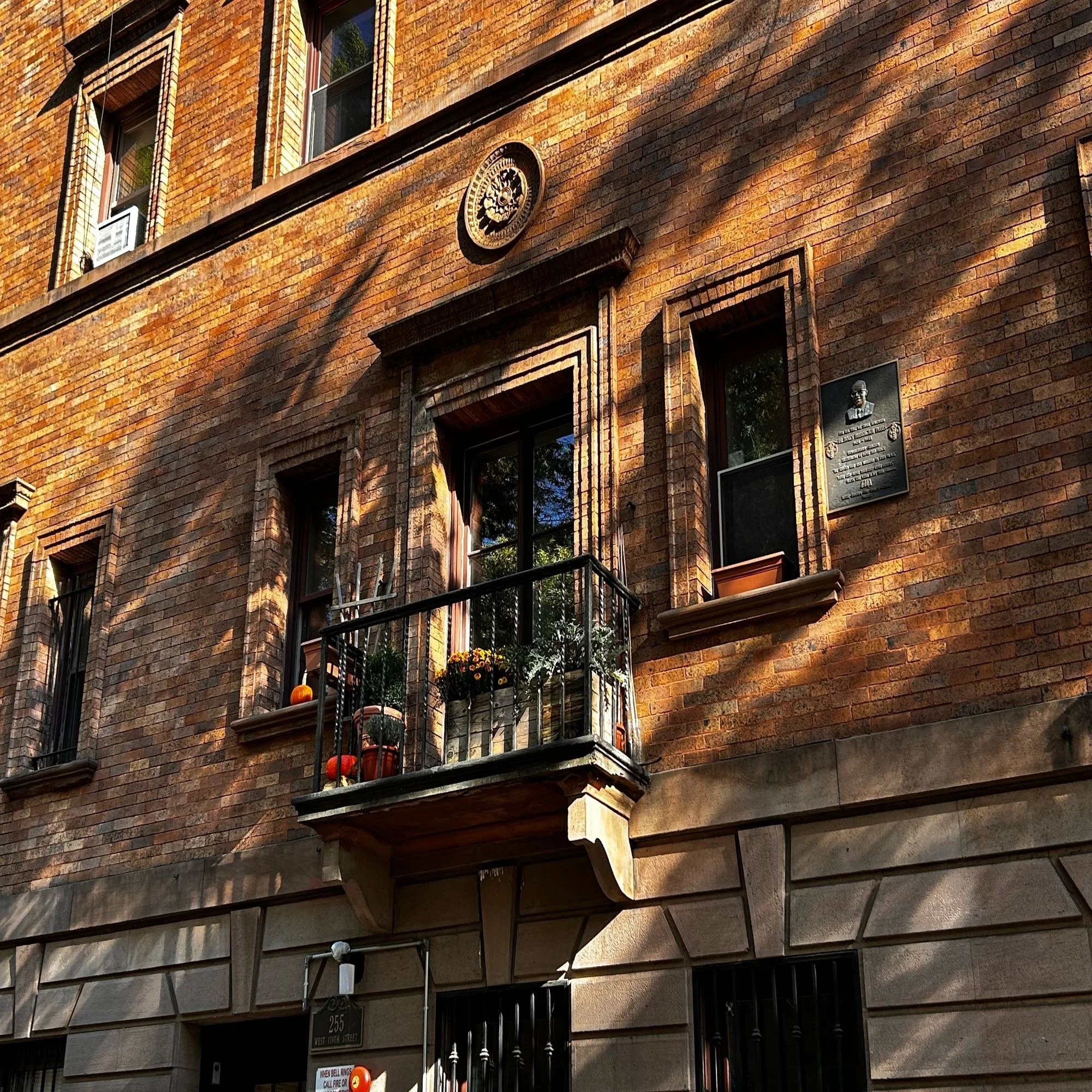
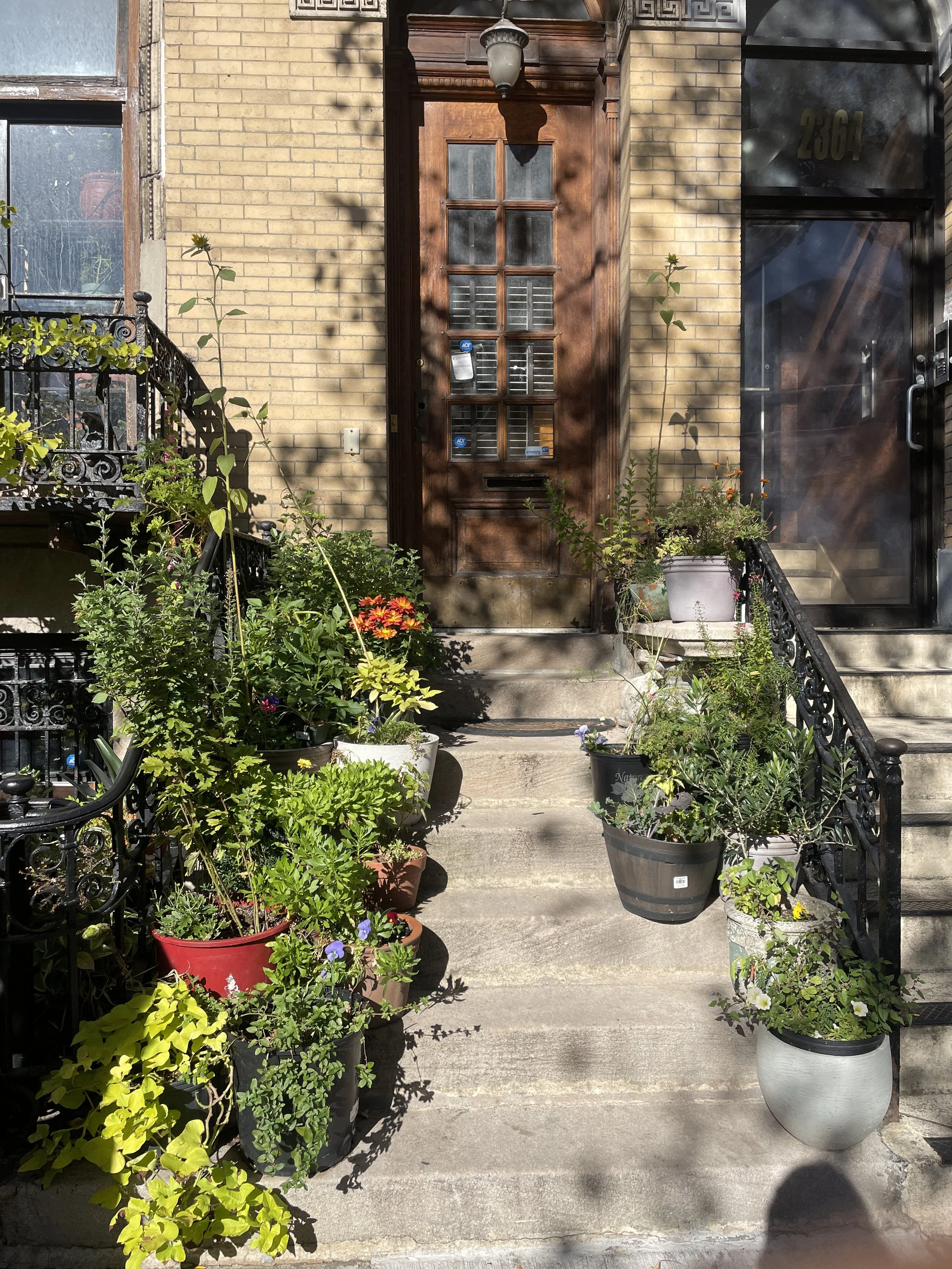
Strivers’ Row, an iconic block of elegant townhouses associated with the Harlem Renaissance. Once home to many influential Black artists, intellectuals, and professionals, Strivers’ Row stands as a powerful symbol of aspiration, pride, and cultural flourishing in the face of structural barriers. The neighborhood embodies a legacy of striving that continues to inspire students today.
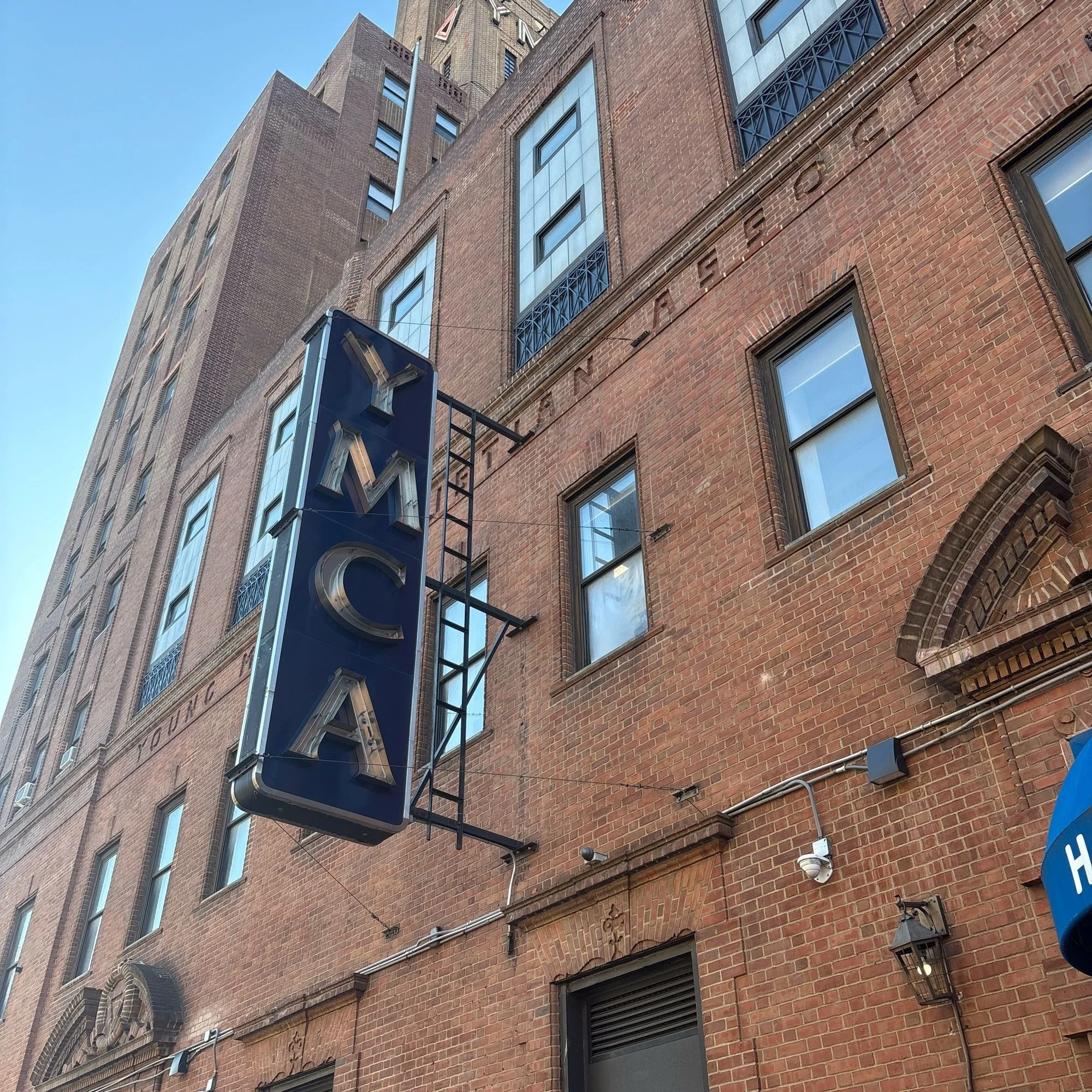
Harlem YMCA, where the group reflected on its remarkable history as a refuge and gathering place for generations of Black travelers, workers, and leaders—including Malcolm X. More than a place to stay, the YMCA served as a community hub where people found support, opportunity, and a sense of belonging.
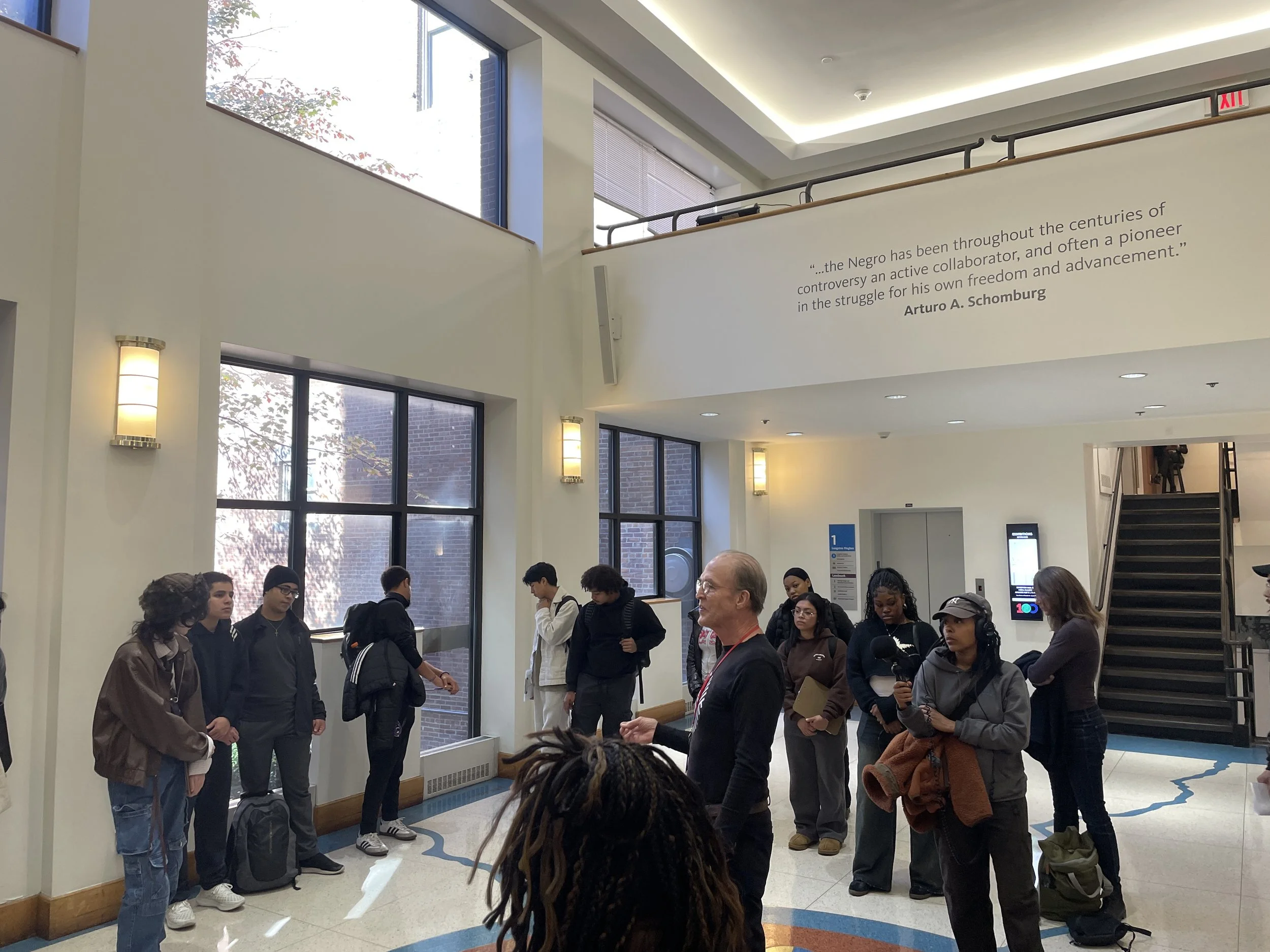
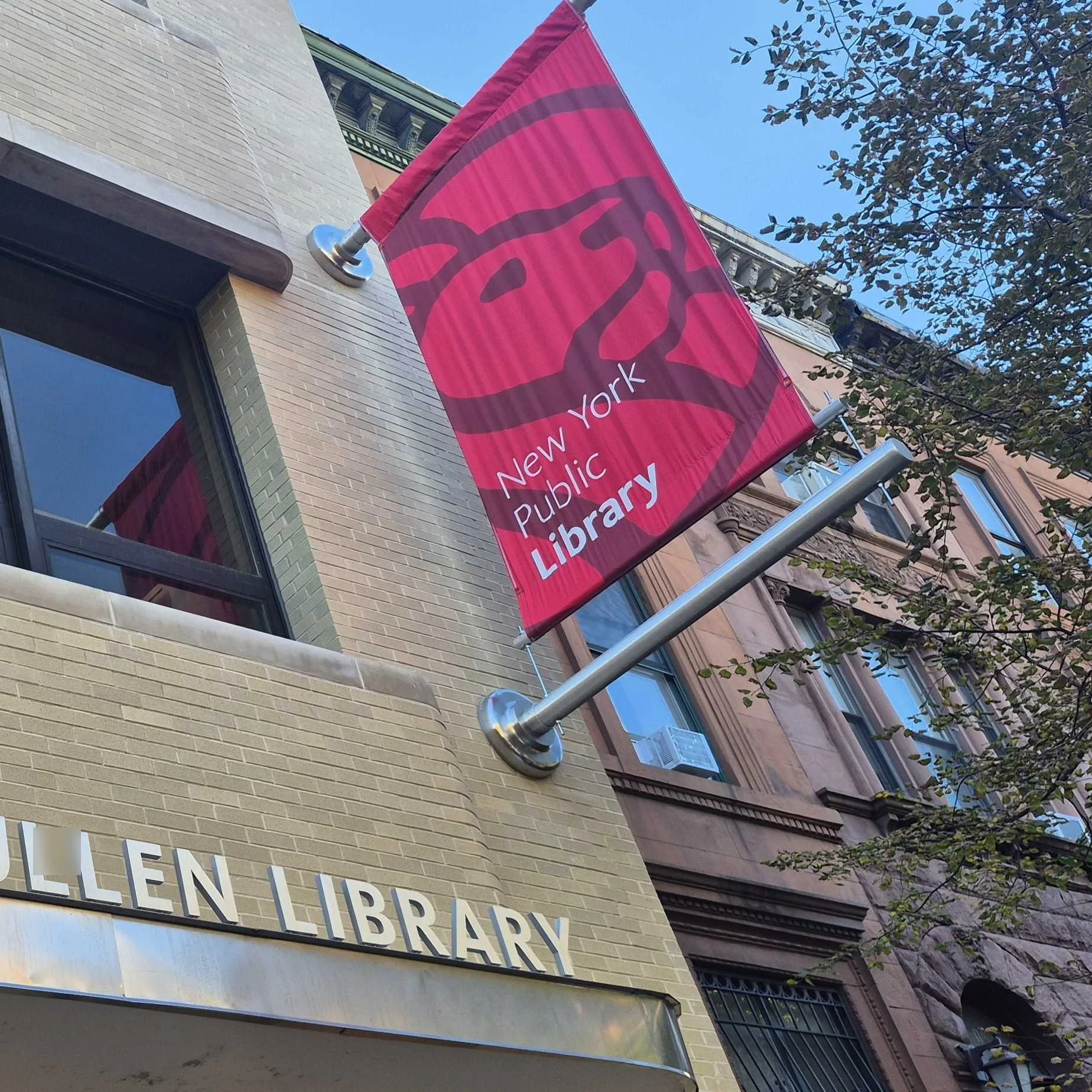
Schomburg Center for Research in Black Culture, a world-renowned archive dedicated to preserving and celebrating Black history and creativity. Named after the Afro–Puerto Rican historian Arturo Schomburg, the center represents the power of knowledge, memory, and cultural stewardship. Beneath its floor rests the ashes of Langston Hughes, whose poetry continues to echo through Harlem.
Before and after the walk, students completed a survey about their sense of awe, belonging, and social possibility. Along the way, students documented how each site made them feel—how architecture, history, and community stories shaped their perceptions of themselves and the world around them.
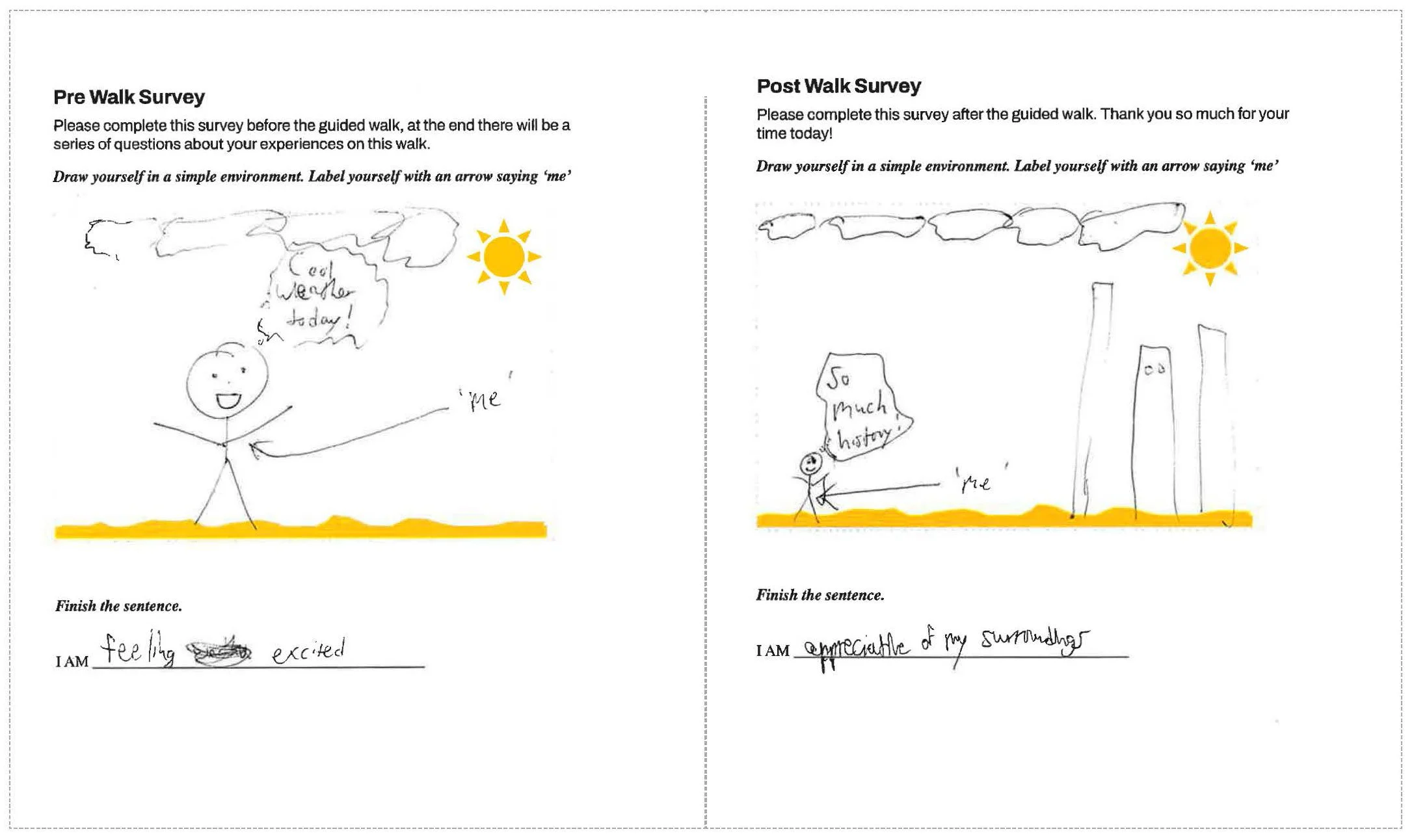

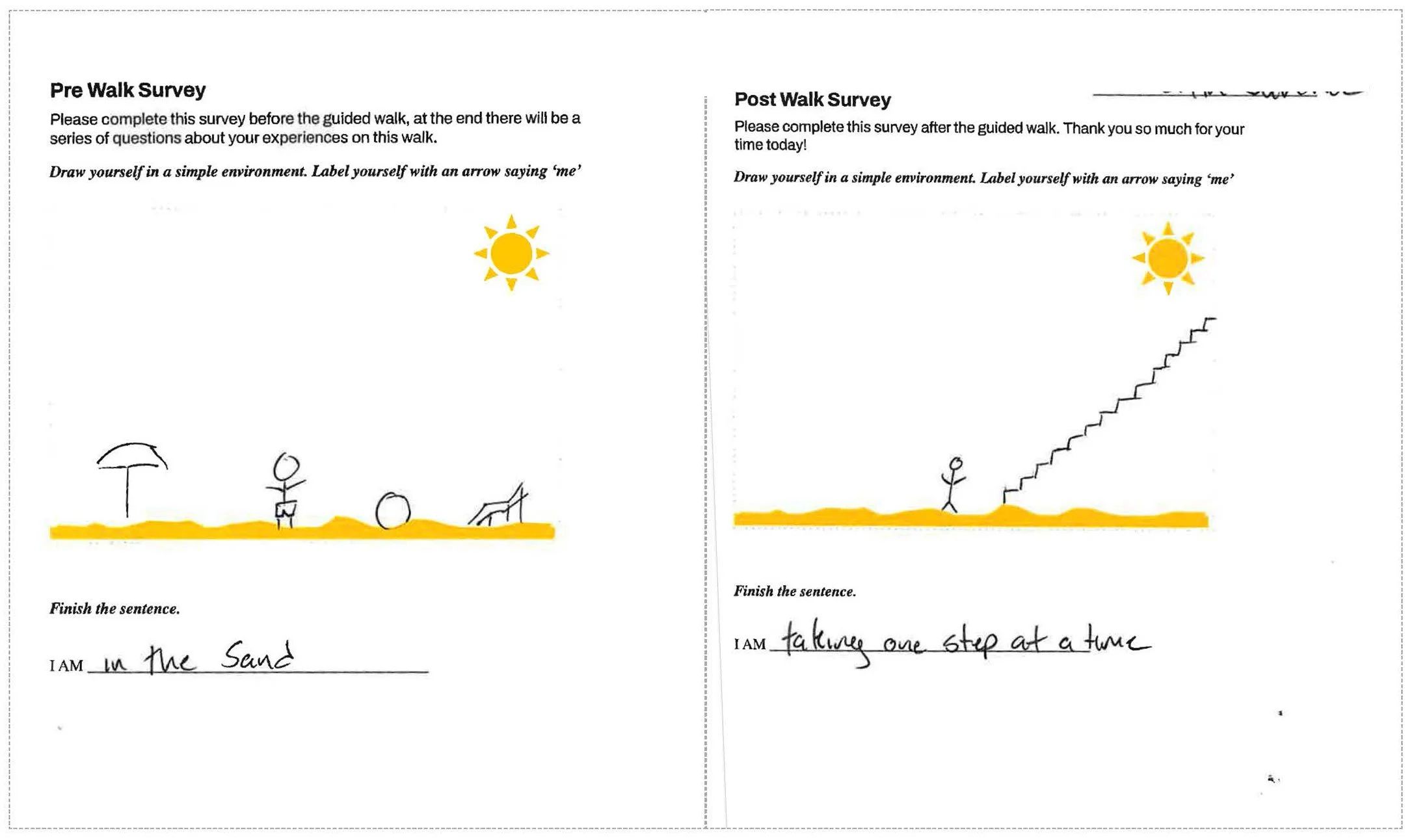
Throughout the walk, something meaningful had shifted. More students began to see themselves as part of the story of their communities, reporting a stronger sense of agreement with the idea that they could make a difference where they live—an emerging belief that their presence, their voice, and their actions have the power to shape the world around them. At the same time, a deeper sense of personal significance took root, with students expressing a stronger feeling that what they do truly matters.
This walk showed the power of noticing one’s surroundings and listening to stories of human courage and motivation. In this way, the walkshop did more than trace a path through places—it helped students recognize the paths they themselves might create.