The Cities of Awe Lab advances the science of awe and public life to fuel our civic imagination.
We are studying the relationship between awe and public life across diverse cultural contexts and urban environments. We explore where and how awe appears in cities, how it can be nurtured, and how it influences people and communities over time, building evidence for more wonder-filled experiences. We do this by asking a set of core questions:
How do moments of awe shape public life?
When does public life support experiences of awe?
What types of shared spaces and environments make these experiences possible?
APPROACH
In the spirit of learning by doing, we map the relationship between awe and public life across three interconnected areas.
Research
We examine how awe shows up in public life and what it does for people’s health, trust, and resilience. We focus on measuring what is often considered hard to measure, drawing on peer-reviewed studies, citizen science, and place-based data. We ask how shared experiences or witnessing moral beauty influences people across diverse cultures. We also explore how these experiences are nurtured, who has access to them, what conditions make them possible.
Experiments
We work with a wide range of practitioners that include thinkers, tinkerers, doers, to translate evidence into action. This means actively testing how awe can be embedded within the systems that shape public life across cultures and geographies. We are examining how cities are designed, governed, and managed, and how an evidence-based understanding of awe and public life can inform and influence these systems.
Engagement
We make tools, stories, and scientific insights accessible so they can be adapted to different local contexts. Through events, podcasts, publications, and other shared platforms, we create openings to notice how awe shows up in public life. Our goal is to support a broader understanding of awe so that many of us can experience this feeling and reflect on how it affects us as individuals and as a community.
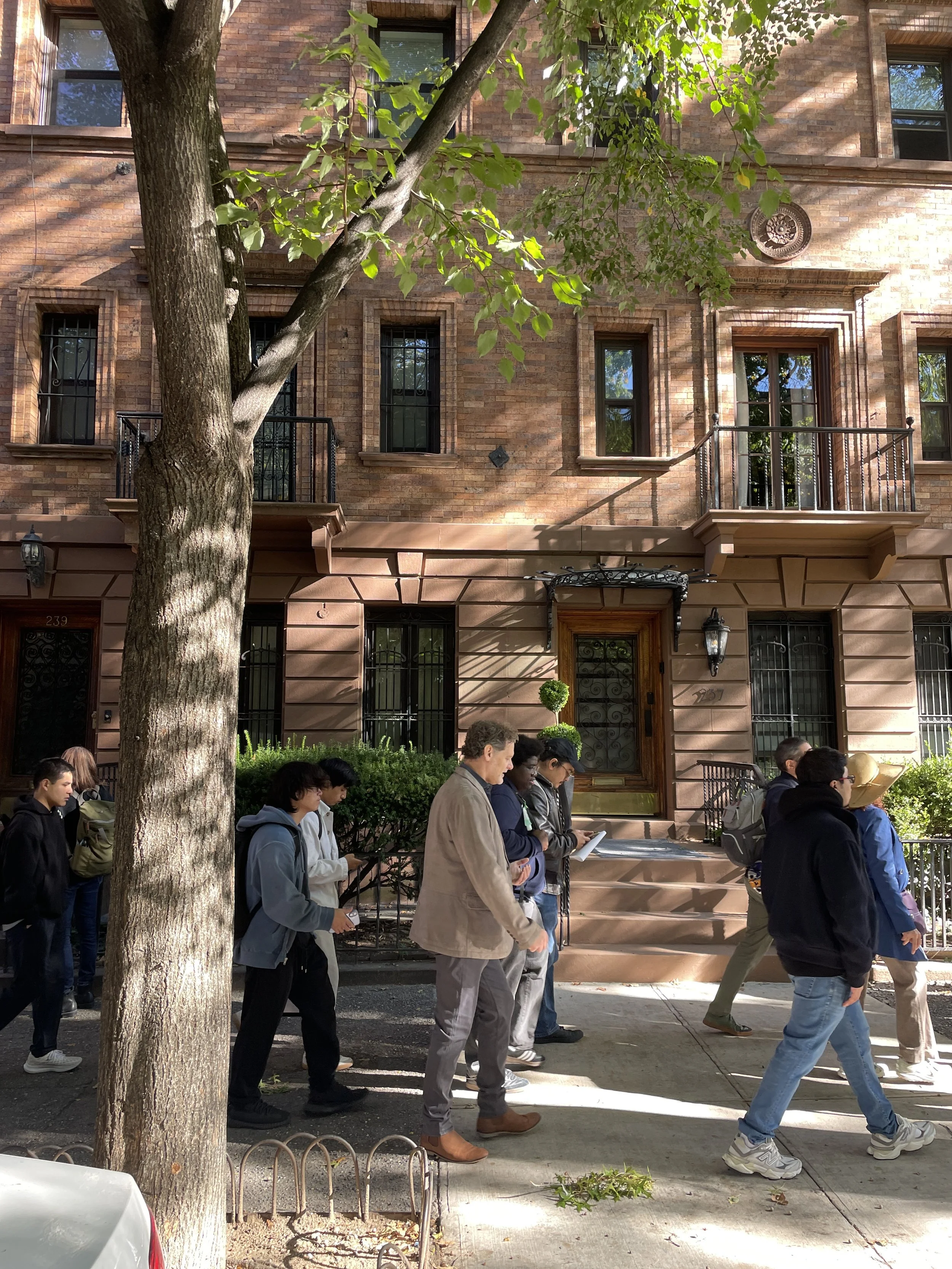
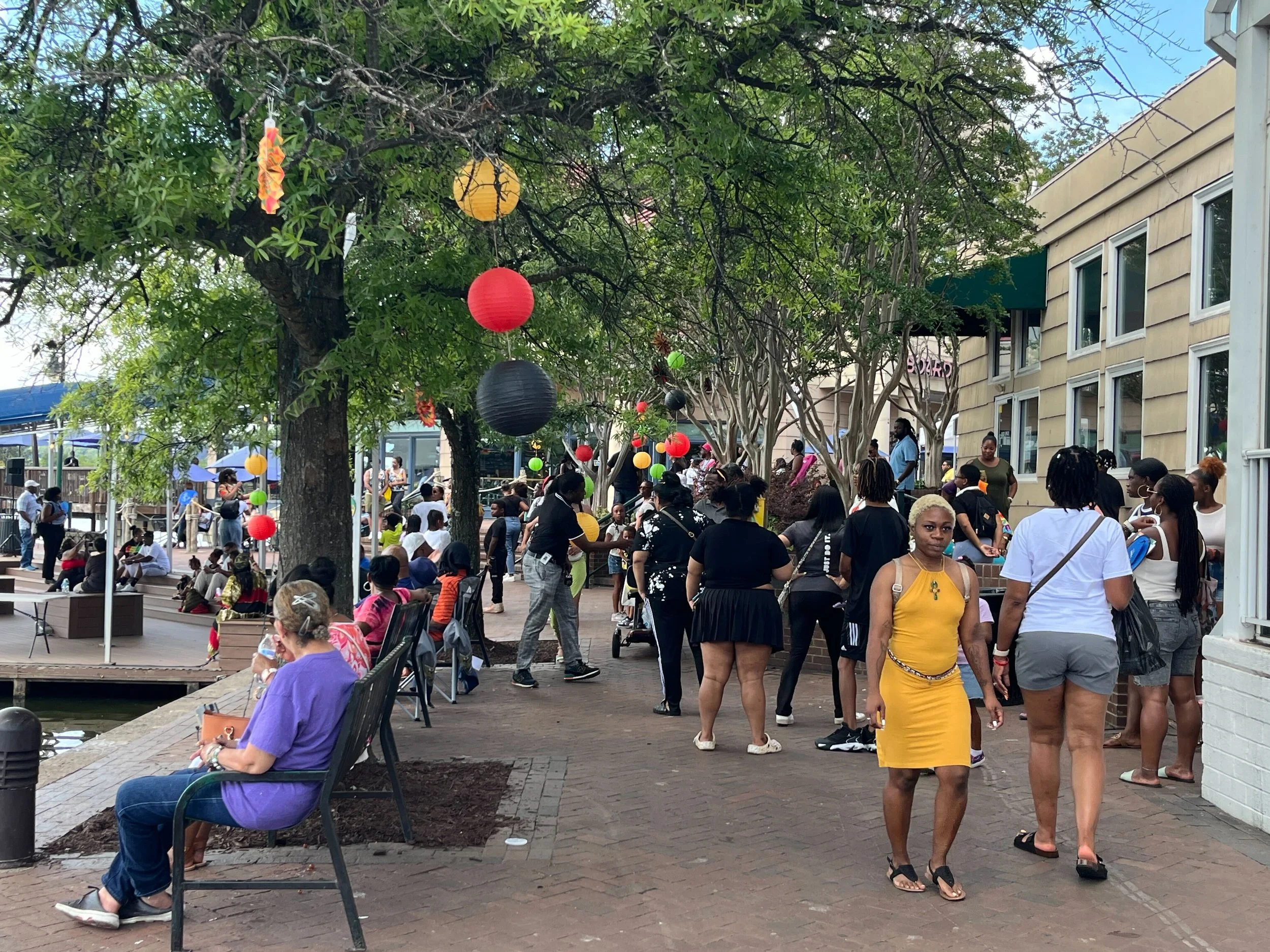
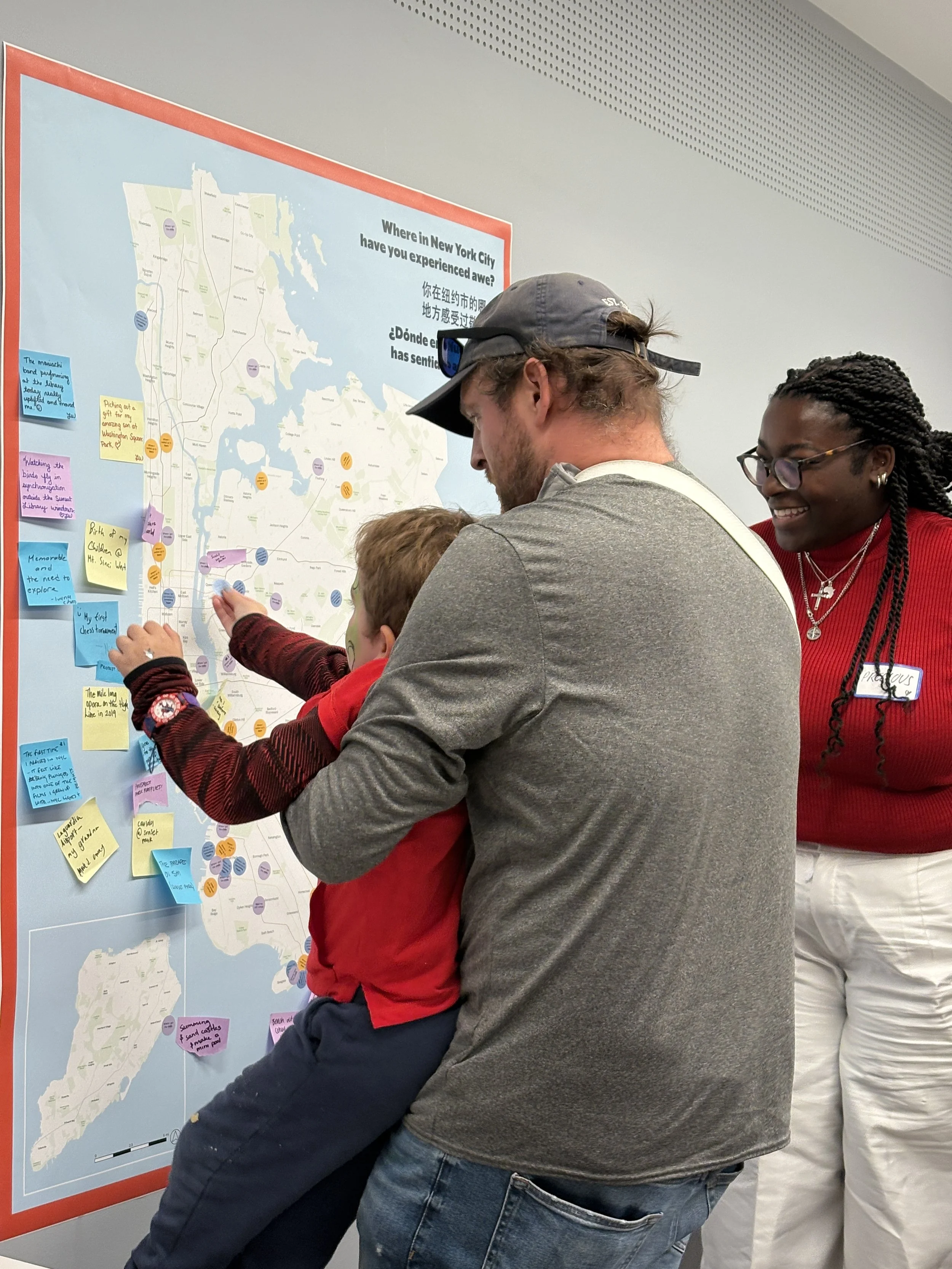
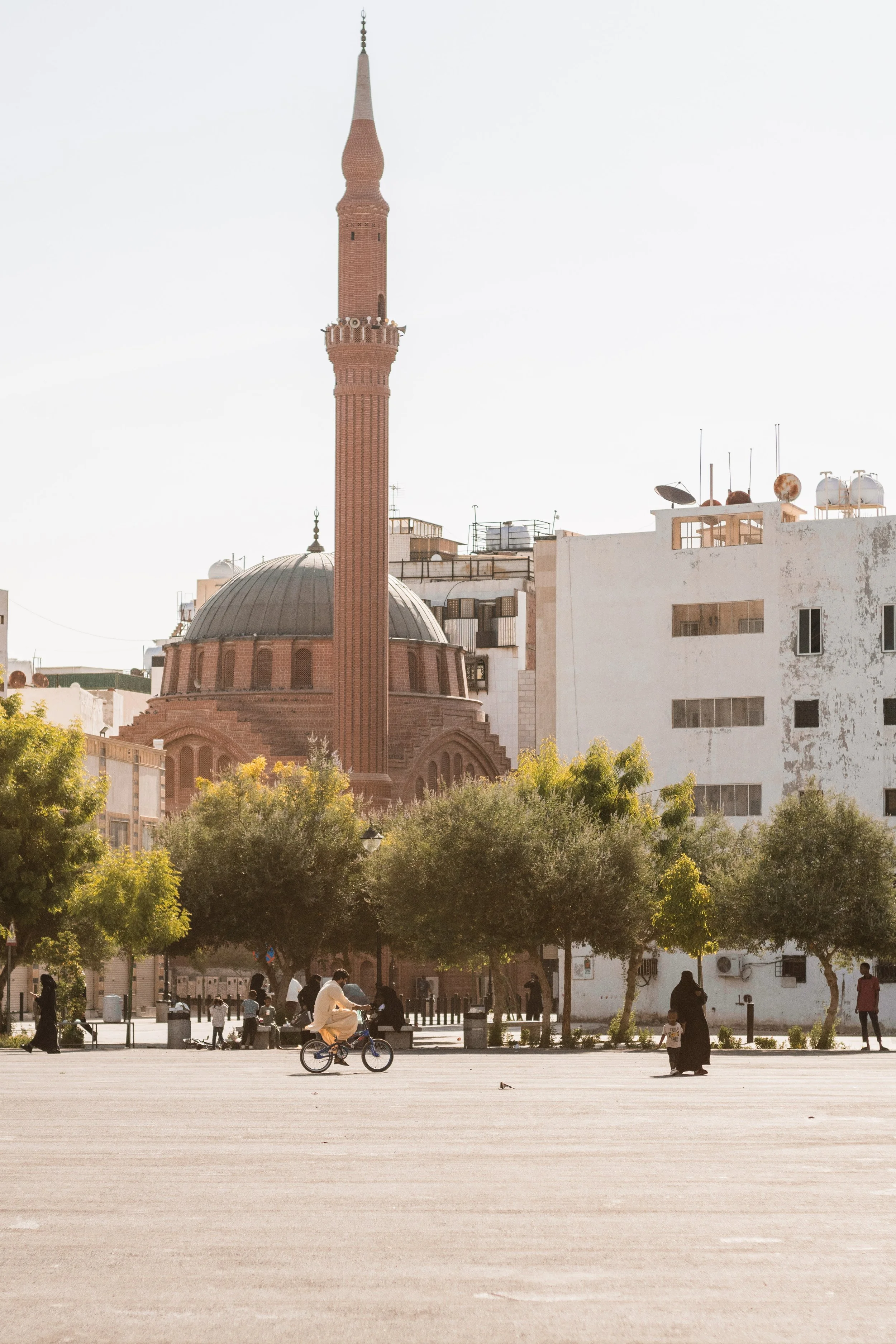
The toolbox
As part of our research, we’ve developed tools to capture how awe shows up in everyday public life. Designed for researchers, practitioners, and communities, they help turn lived experience into meaningful insights. Try them in your own context and share what you discover.
RESEARCH, TOOLS, AND PUBLICATIONS