
A coalition between three partners
Cities of Awe Lab is a partnership between Gehl, University of California Berkeley, and The Gambrell Foundation. Together, we bring expertise in the science of emotion, art and culture, city-making, and philanthropy to explore how awe can strengthen public life.
University of California, Berkeley combines pioneering research on awe, emotion, well-being, and social connection with leading expertise in the arts and public humanities. Through Dacher Keltner, the Greater Good Science Center (GGSC), and the Social Interaction Lab, Berkeley advances the science of awe and human flourishing, while Shannon Jackson brings internationally recognized leadership in arts, performance, and civic engagement to translate research into meaningful public experiences.
Gehl brings decades of global experience designing cities for people. Building on Jan Gehl's legacy, the practice has pioneered methods for studying public life and helped cities create streets, public spaces, and everyday environments that support health, sustainability, connection and well-being.
The Gambrell Foundation brings a philanthropic perspective, investing in interdisciplinary collaborations that strengthen belonging,
relationships, and purpose. As a co-founder of Cities of Awe Lab, the Foundation helps turn research into real-world experiments that foster more connected and flourishing communities.



Meet the team
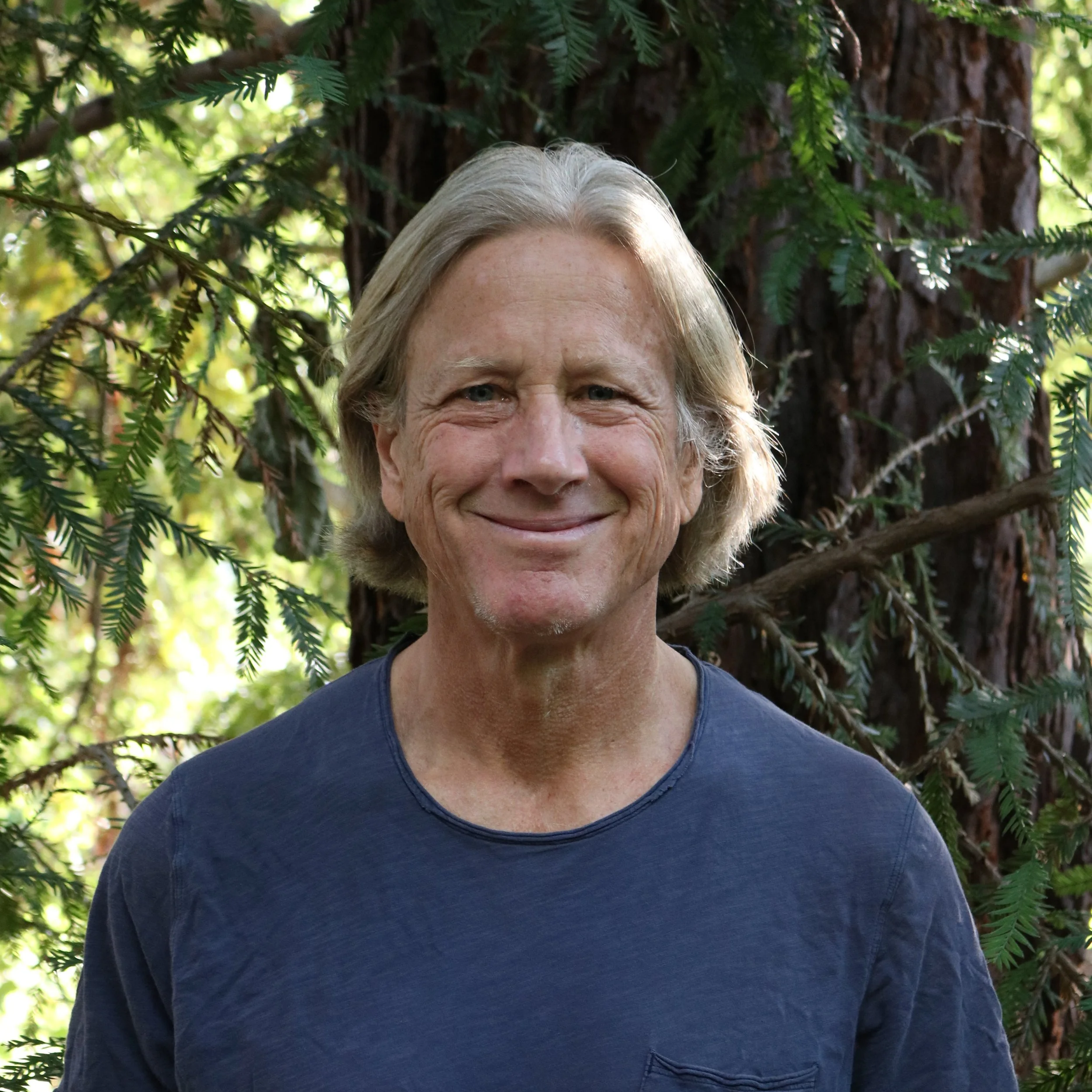
Dacher Keltner is a Distinguished Professor of Psychology at UC Berkeley, faculty director of the Greater Good Science Center, and host of the Science of Happiness podcast. He is the author of hundreds of scientific articles and several bestselling books, including AWE. He finds awe everyday in his walk to teach Berkeley, and in touching the redwoods, listening to the Berkeley streams, noting the activism at Peets coffee house, and passing by the sounds of children at play at a local pre-school.
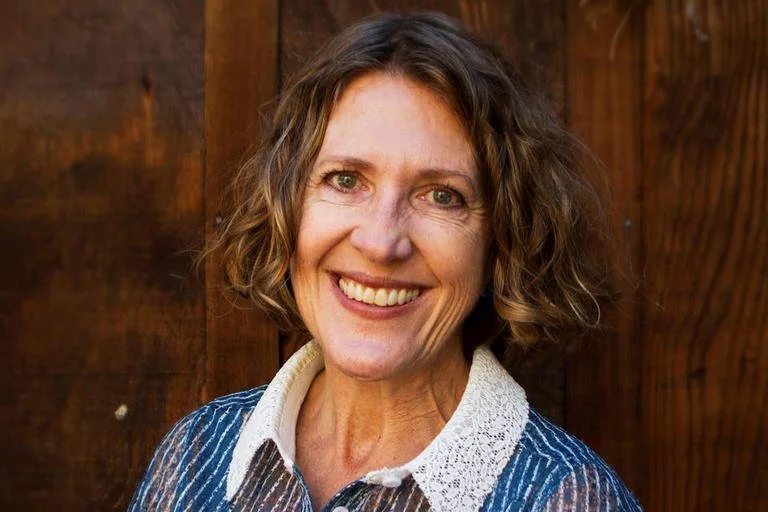
Shannon Jackson is a professor, researcher, and author whose work explores the role of art, performance, and culture in public life and social change. Based at the University of California, Berkeley, she focuses on how creative practices shape institutions, collaboration, and collective experience. Her work highlights the power of the arts to reimagine systems and support more connected, equitable societies. She finds awe in art that challenges the status quo and strengthens our sense of what is shared.
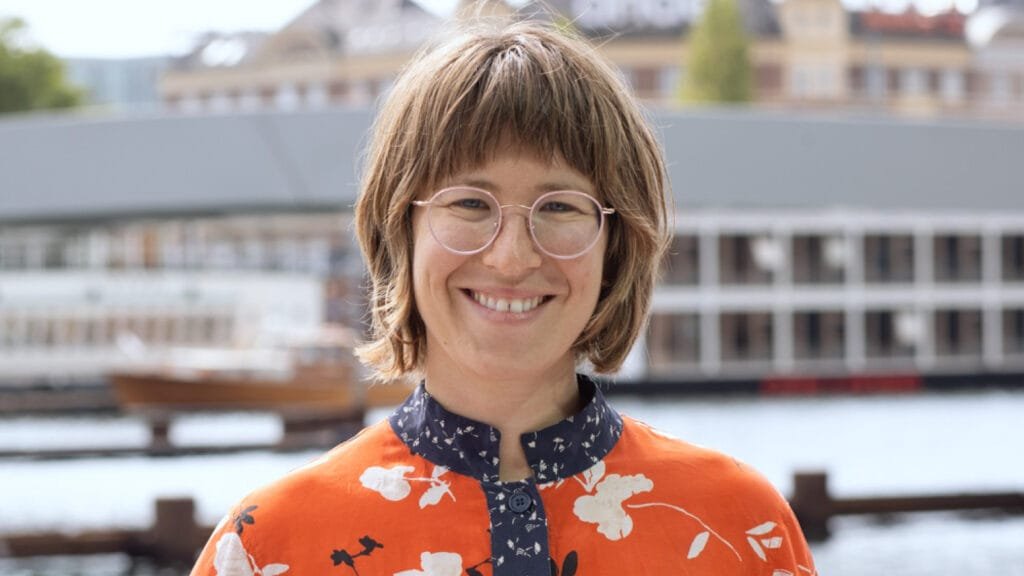
Sophia Schuff is a Director and urban anthropologist at Gehl, working to advance healthier, more equitable cities across sectors. She brings expertise in research, social impact, and public life studies, with a focus on urban health, food systems, and early childhood. Sophia leads complex, multi-stakeholder projects and regularly lectures and speaks internationally on urban transformation and systems change. She finds awe in the interconnectedness of nature.

Louise Kielgast is a social anthropologist and urban development planner who has spent many years exploring how cities and shared spaces can address broader societal challenges. She leads the Lab’s applied research and works closely with local partners. She finds awe and inspiration in the unexpected moments that make you pause.
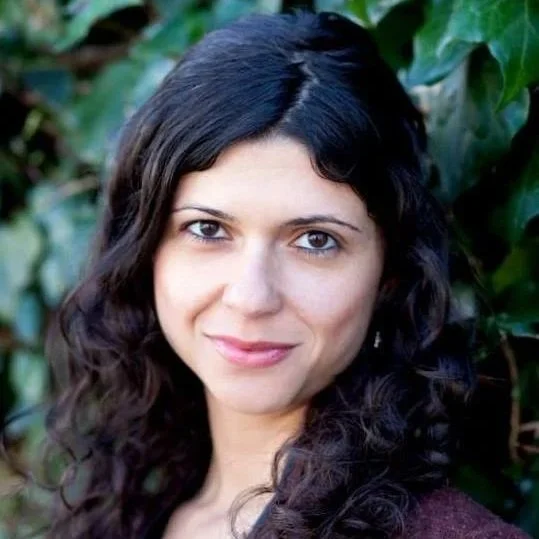
Shuka Kalantari is the executive producer of the award-winning podcast The Science of Happiness from Greater Good Science Center, which shares research-backed practices to support individuals, communities, and the environment. She finds awe in people, in nature, and in acts of collective love.
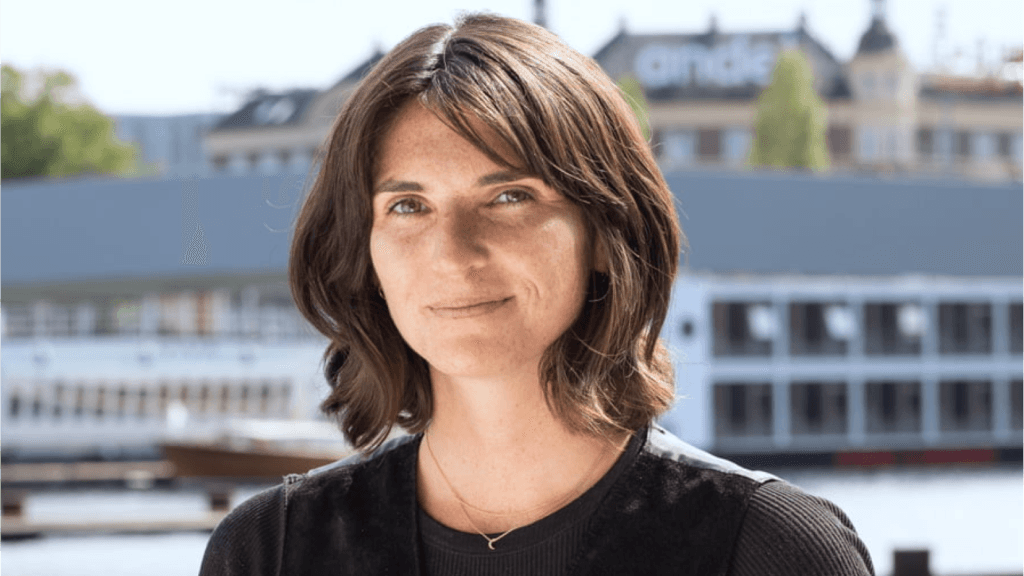
Olivia Flynn is an environmental designer and applied researcher at Gehl, using design and storytelling to drive social change and shape healthier cities. Her work focuses on understanding lived experience through data and engagement, and translating these insights into urban design that strengthens community and supports collective well-being. She finds awe in unexpected moments with strangers and in collective action.
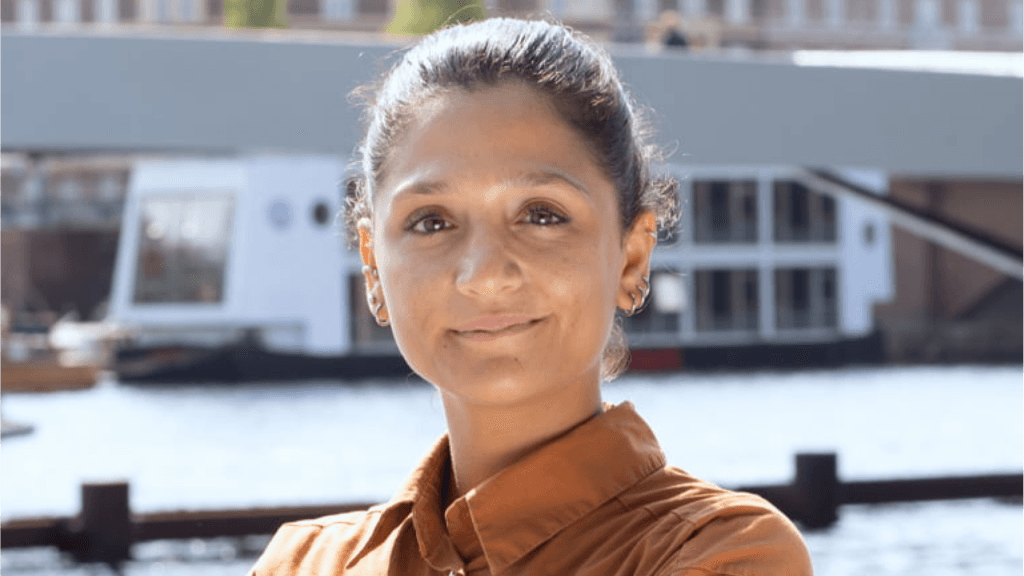
Guitsa Herro is a project architect at Gehl, guided by a socially focused, democratic approach to design that promotes equality. With experience across Europe, the Middle East, and Asia, she works across scales from urban planning to product design. Her main focus is early-stage urban strategy, where she helps shape everyday life by bridging architecture and urbanism through strong cross-cultural collaboration.
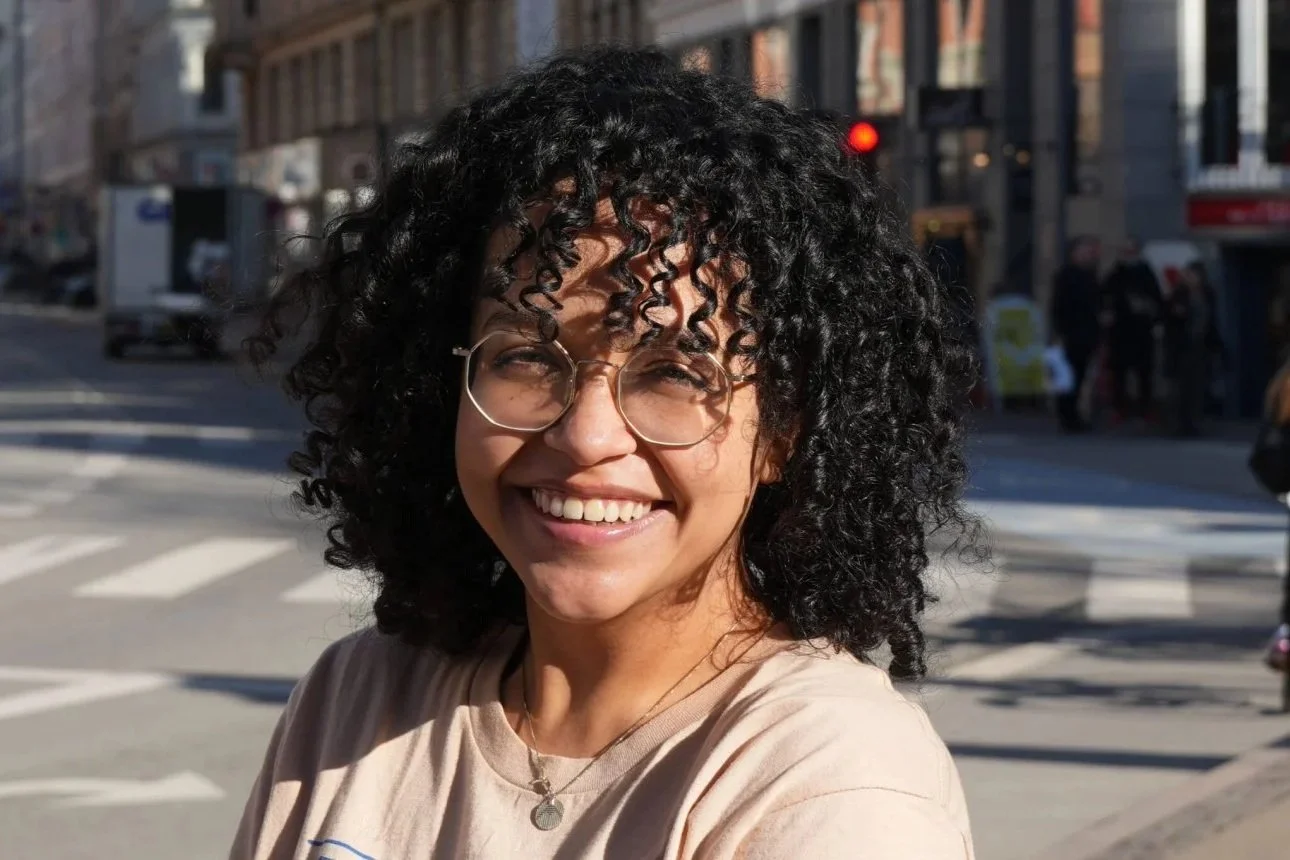
Natalia Garcez is a graphic designer who creates strong visual identities and design solutions that help brands and products communicate clearly and function effectively.
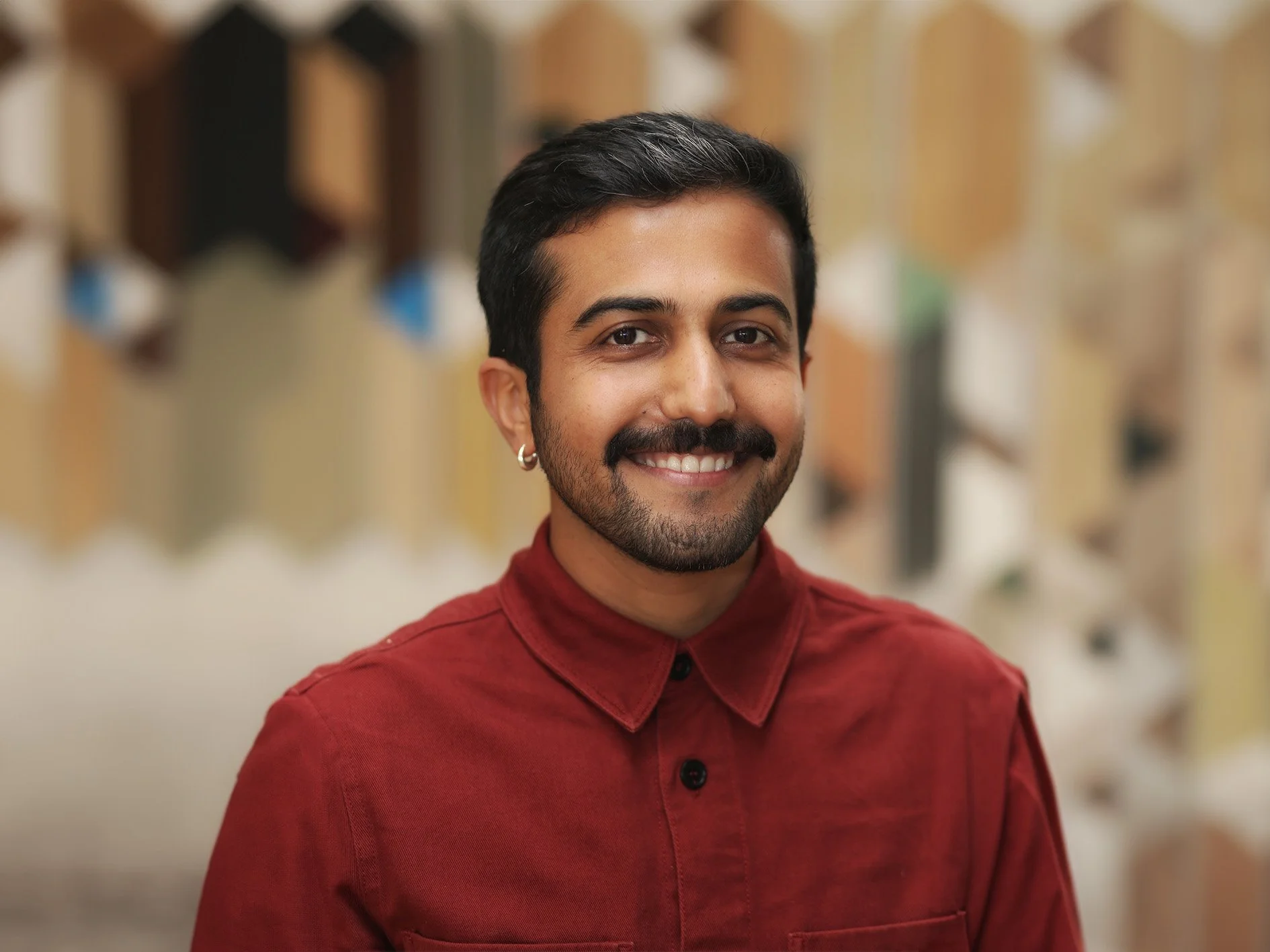
Binit Vasa is a creative leader working across design, strategy and storytelling to make complex challenges accessible and impactful. With experience across India and Europe, his multidisciplinary approach connects people, culture, and places with a focus on driving organisational change, innovation, and meaningful narratives. He finds awe knowing that we are a small blue dot floating in the vast universe.
Contact
Cities of Awe is made possible because of mission-driven partners and funders who believe in this work. Whether you want to support local projects, advance research or organize grassroots engagement in your community, we'd love to chat with you.