Awe is what we feel when we encounter something vast, whether in nature, ideas, or other people.
Awe is a feeling of wonder that can take your breath away. It can be hard to describe, but we recognize it in moments of chills, widened eyes, or a slowing heart rate. In these moments, our sense of self softens and our attention shifts outward, opening space for connection, empathy, and imagination.
This understanding is not new. In many Indigenous cultures, awe is central to how people relate to the world, rooted in the interconnectedness of all living things and relationships with land, community, and the more-than-human world. It reminds us that awe is not just something we encounter, but something we can cultivate through how we live and shape the spaces we share.
Today, science is beginning to validate what these traditions have long understood. Through more than 15 years of research, including the work of Dacher Keltner and the Social Interaction Laboratory at University of California, Berkeley, we now know that awe has measurable effects on both the mind and body.
It calms the nervous system, reduces self-focused thinking, and strengthens our sense of connection to others. These biological shifts contribute to greater well-being, increased generosity and cooperation, more open and critical thinking, and a deeper sense of meaning and purpose.
SOURCES OF AWE
Based on thousands of interviews conducted across the globe, Dacher Keltner’s work identifies eight consistent sources of awe. These eight wonders of life can be understood as means through which humans across diverse backgrounds and geographies experience awe.
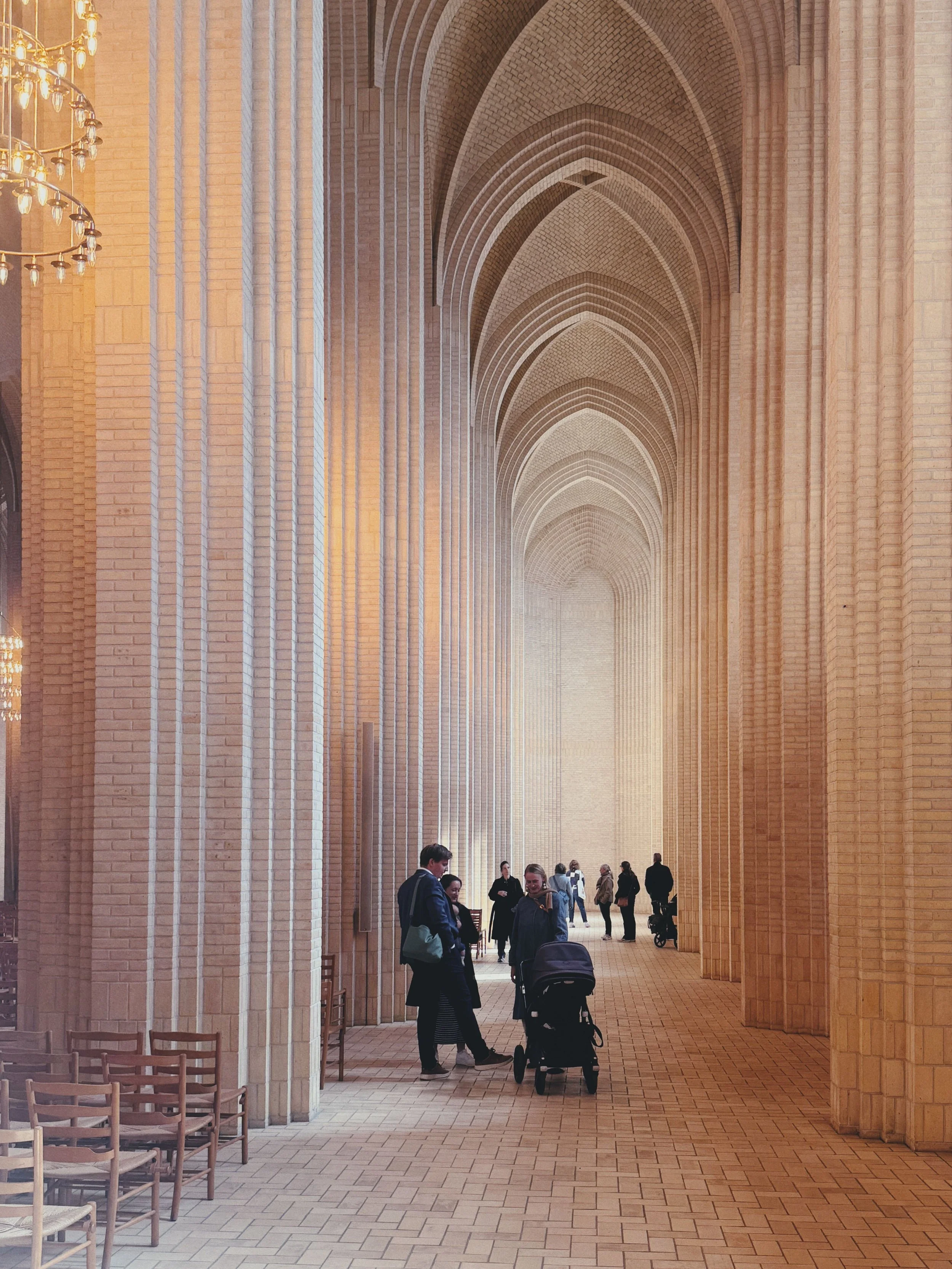

Collective effervescence / The power of moving in large groups
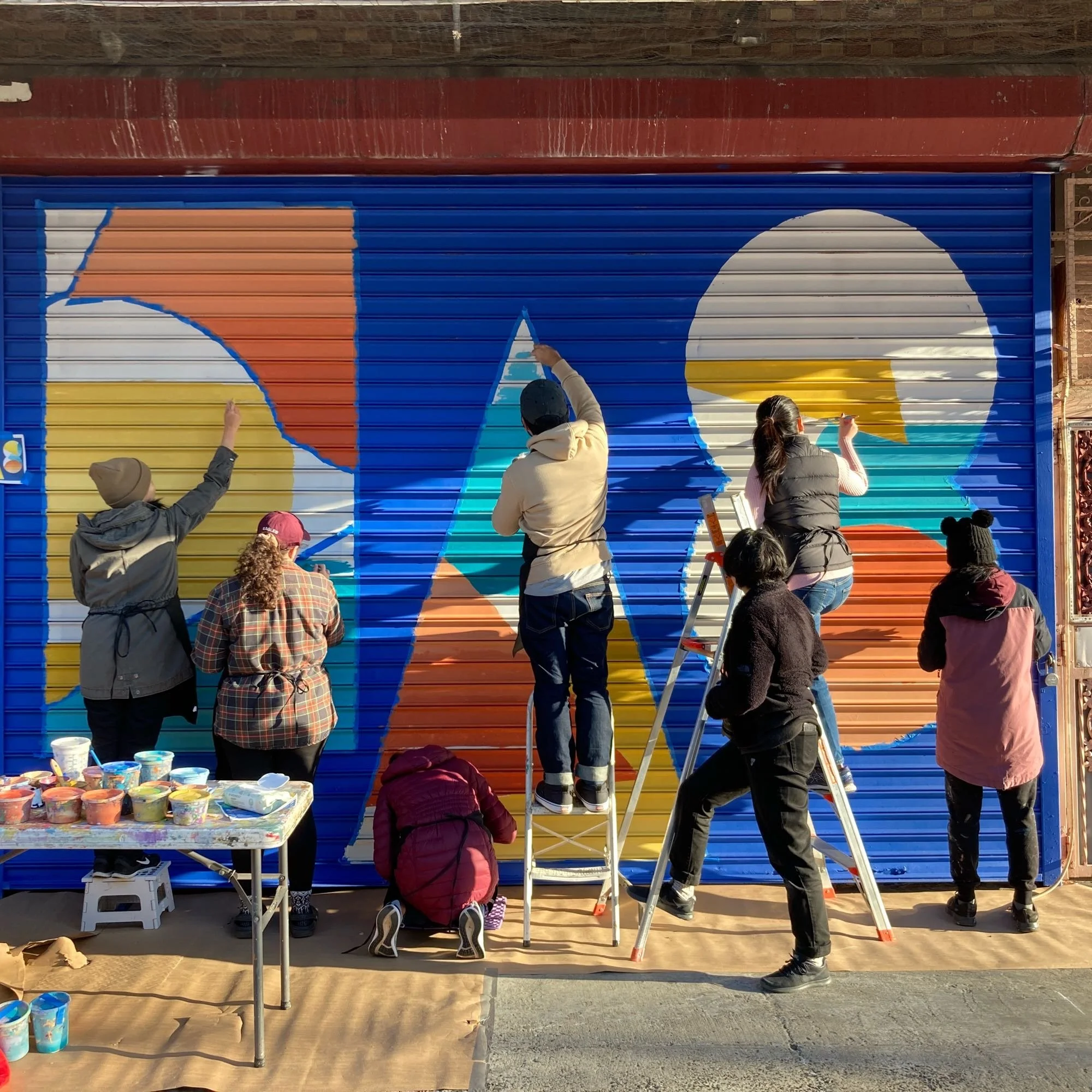
Moral beauty / Everyday acts of courage and care for one another
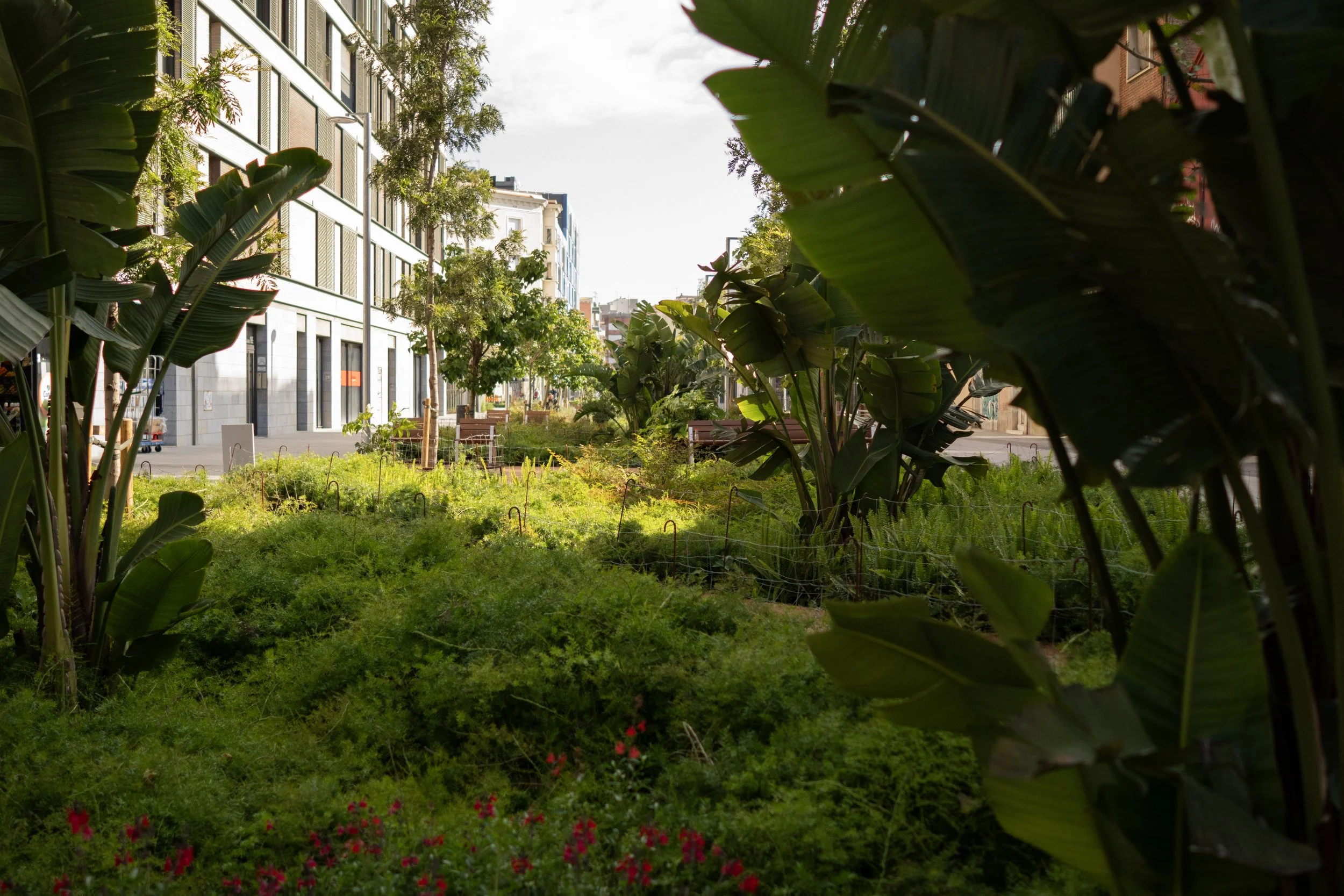
Nature / The living world and ecosystems that surround us

Spirituality / Feeling connected to something larger through ritual or reflection
Visual design / The beauty of visual works such as art and architecture
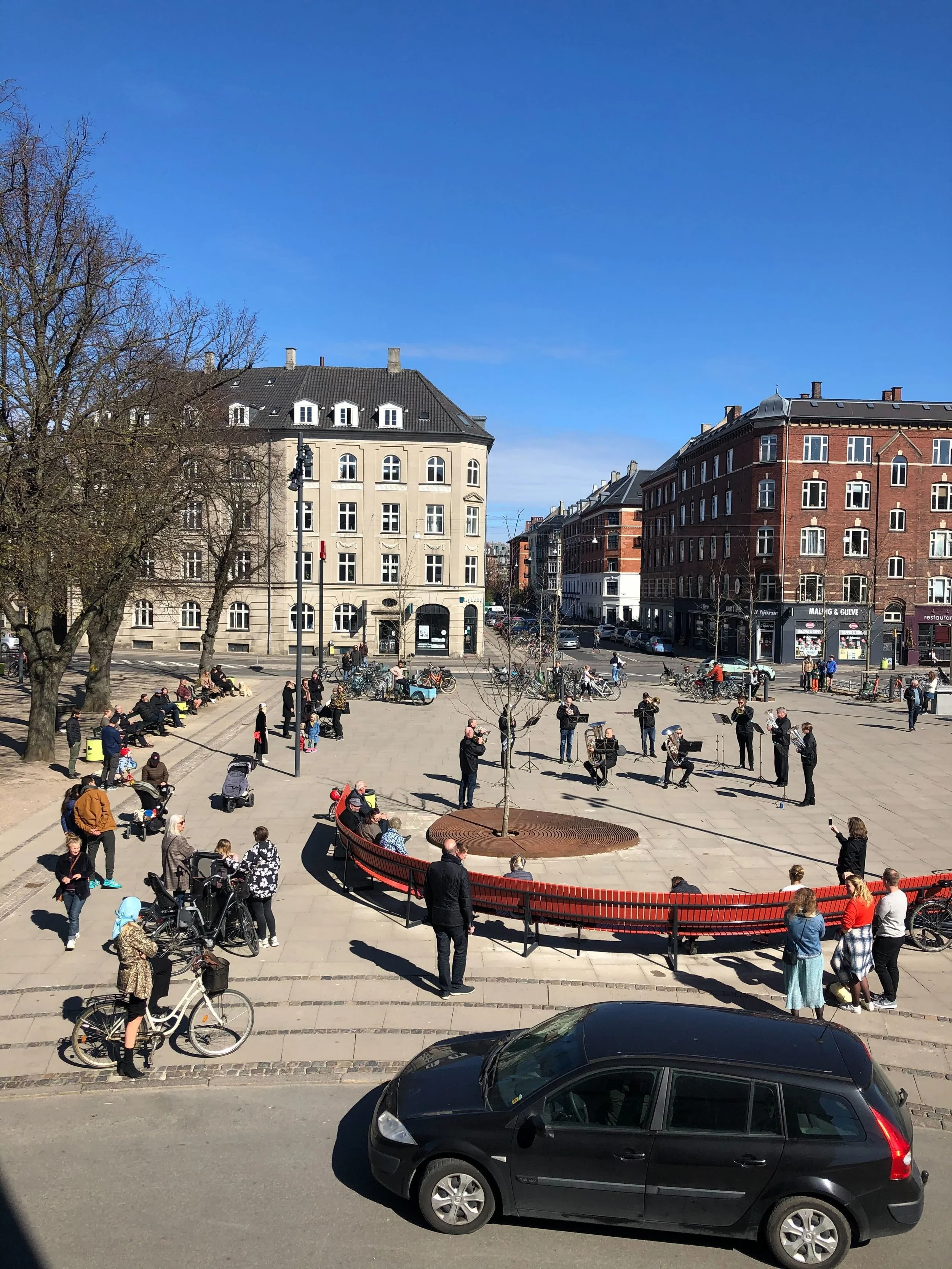
Music / Synchronizing hearts and minds through rhythm and shared emotion
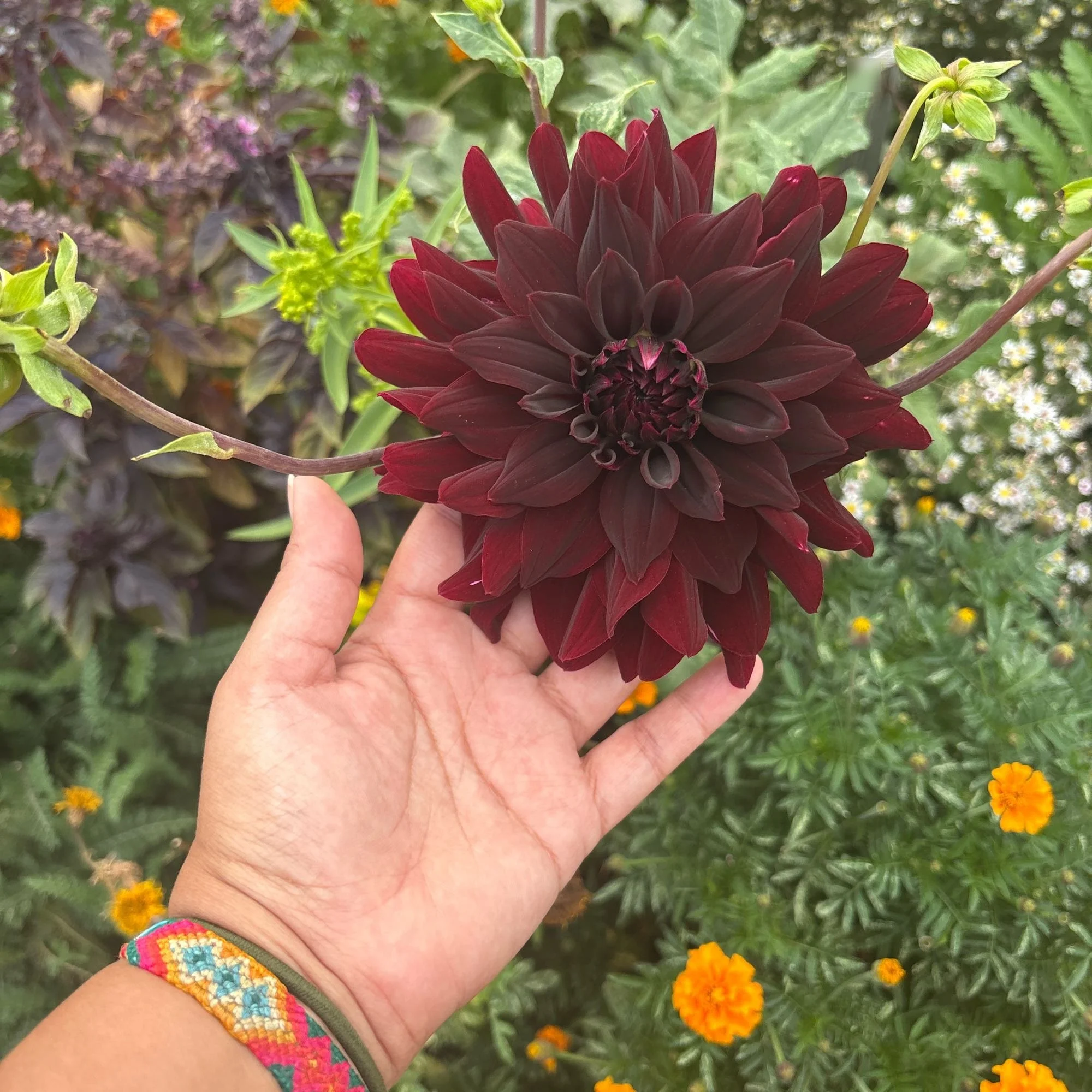
Cycle of life / Growth, loss, and renewal as a shared human experiences

Big ideas / Expansive concepts that challenge our understanding of the world
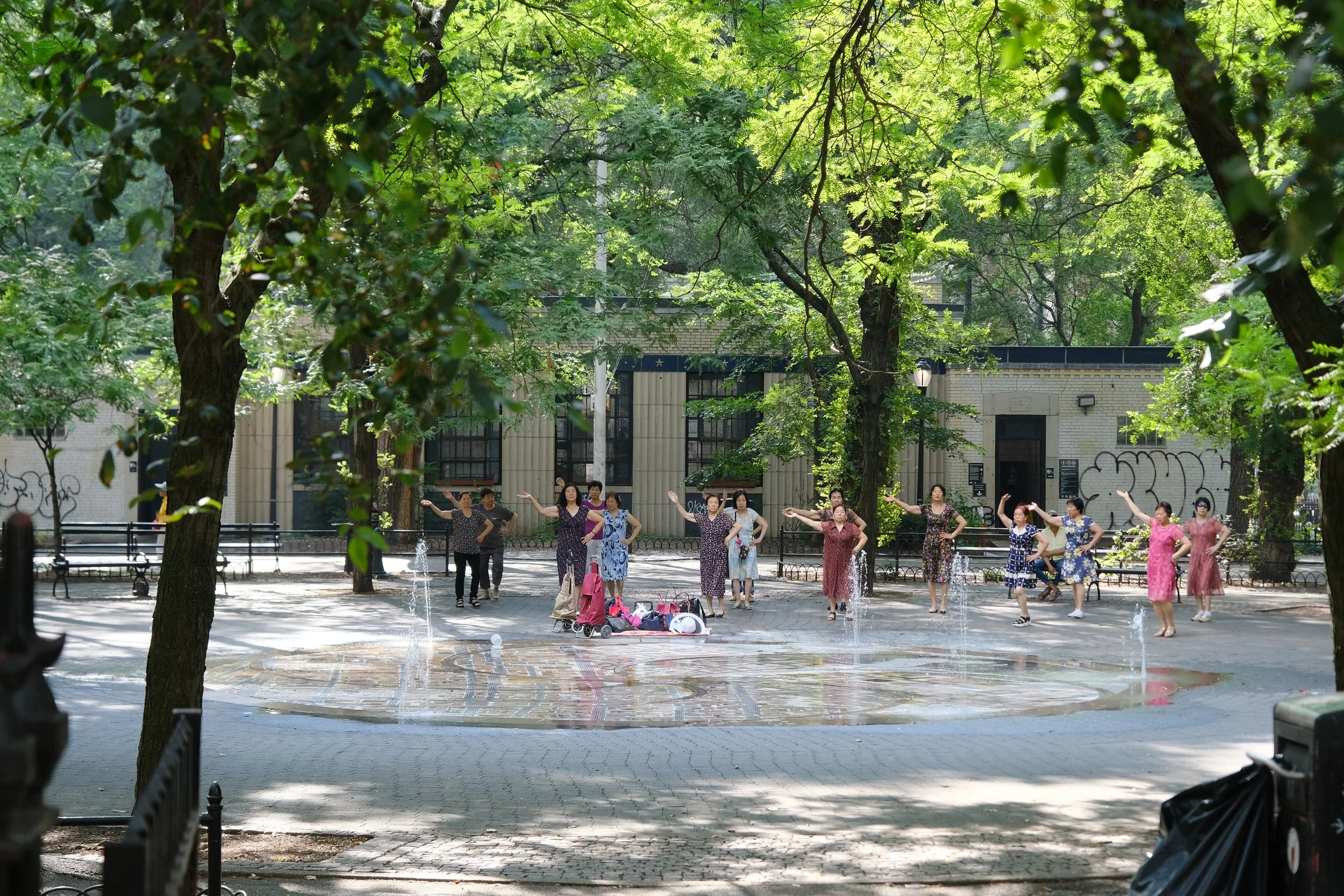
Awe has the power to transform everyday public life
When awe is experienced in the collective, an individual moment of wonder becomes a shared experience. It can bring strangers into relationship, turn difference into dialogue and elevate the ordinary into something memorable. It expands our sense of possibility and deepens our connection to one another and to the world around us. These moments strengthen our sense of belonging, and remind us that public life is something we create together.
We believe these shared experiences are the foundation of civic imagination: our collective ability to imagine a better future for our cities and to play an active role in creating it. At a time of increasing isolation, social fragmentation, and declining trust, that capacity matters more than ever.
We see public space as essential infrastructure for shared awe. Our streets, squares, schools, libraries, hospitals and all such shared spaces are where civic imagination is practiced, tested, and reinforced through everyday experiences until it becomes part of the culture of a city. Designing for awe in the places we share is not simply a nice to have. It is a powerful, evidence-informed way to strengthen belonging, resilience, and the shared belief that our neighborhoods and cities can be shaped for the better.
Learn more about the science of awe and public life
City Life Is Too Lonely. Urban Planning Can Help. ↗
The following article makes the case that loneliness is not just a social issue but a spatial one—arguing that cities can either isolate or connect people depending on how public life is designed.
Here’s why you need to be cultivating awe in your life. ↗
A foundational piece by Dacher Keltner explaining how awe shapes our perception, reduces self-focus, and connects us to something larger—framing awe as essential to how we experience life, not just a rare emotion.
Eight reasons why awe makes your life better. ↗
This article breaks down the science of awe and its effects on wellbeing, showing how moments of wonder can shift perspective, deepen connection, and shape how we relate to others and the world around us.
Healthier Cities and Communities Through Public Spaces. ↗
This UN-Habitat report examines the role of public space in shaping wellbeing, social interaction, and quality of life in cities.
The Science of Awe. (Podcast Episode) ↗
A conversation that brings the science of awe into everyday contexts—revealing how moments of wonder influence connection, perception, and the way we experience the world together.