
Madinah as sacred urban life
What does awe look like when sacred rhythm and shared devotion shape everyday public life? What does awe feel like in a city shaped by fourteen centuries of pilgrimage?
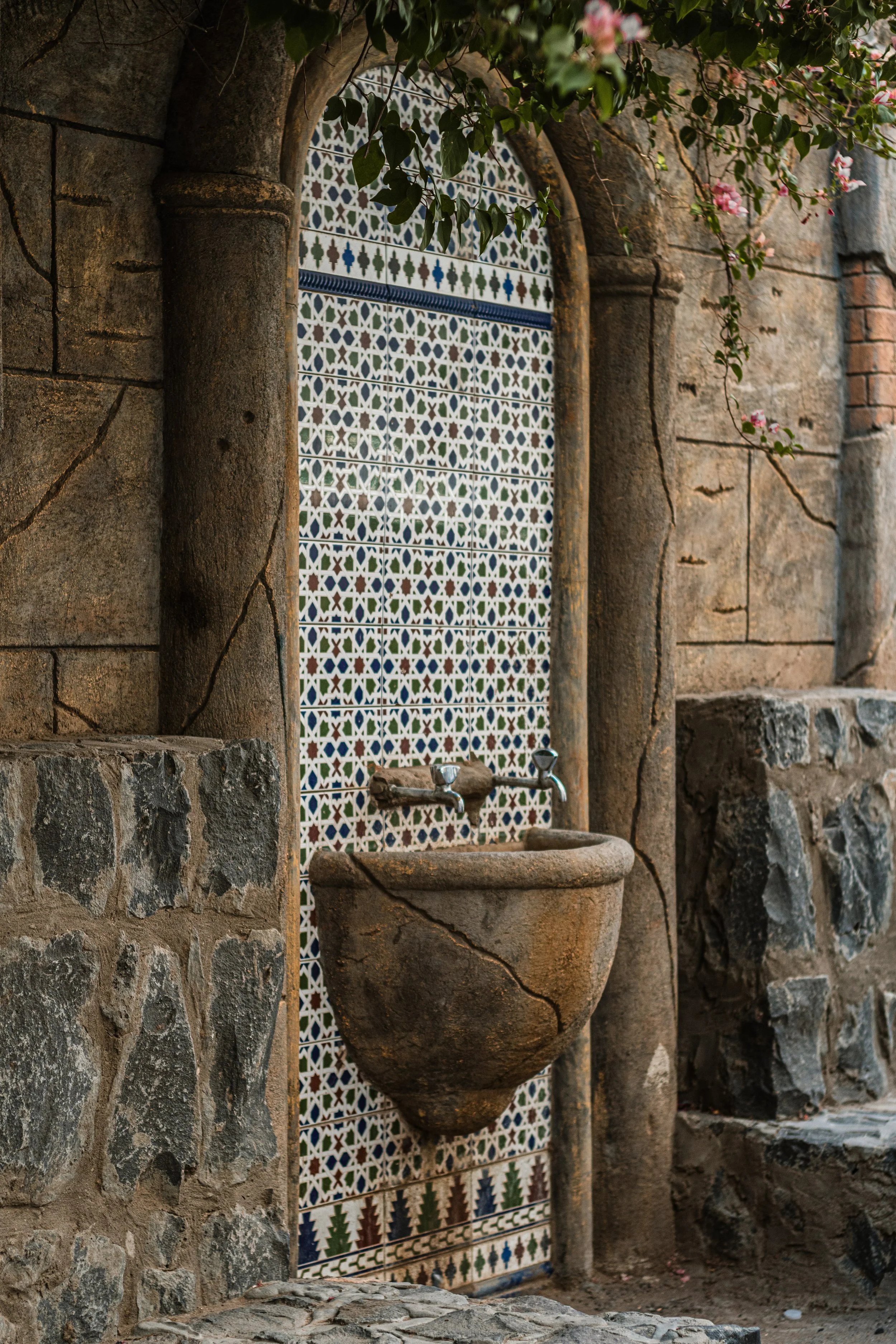
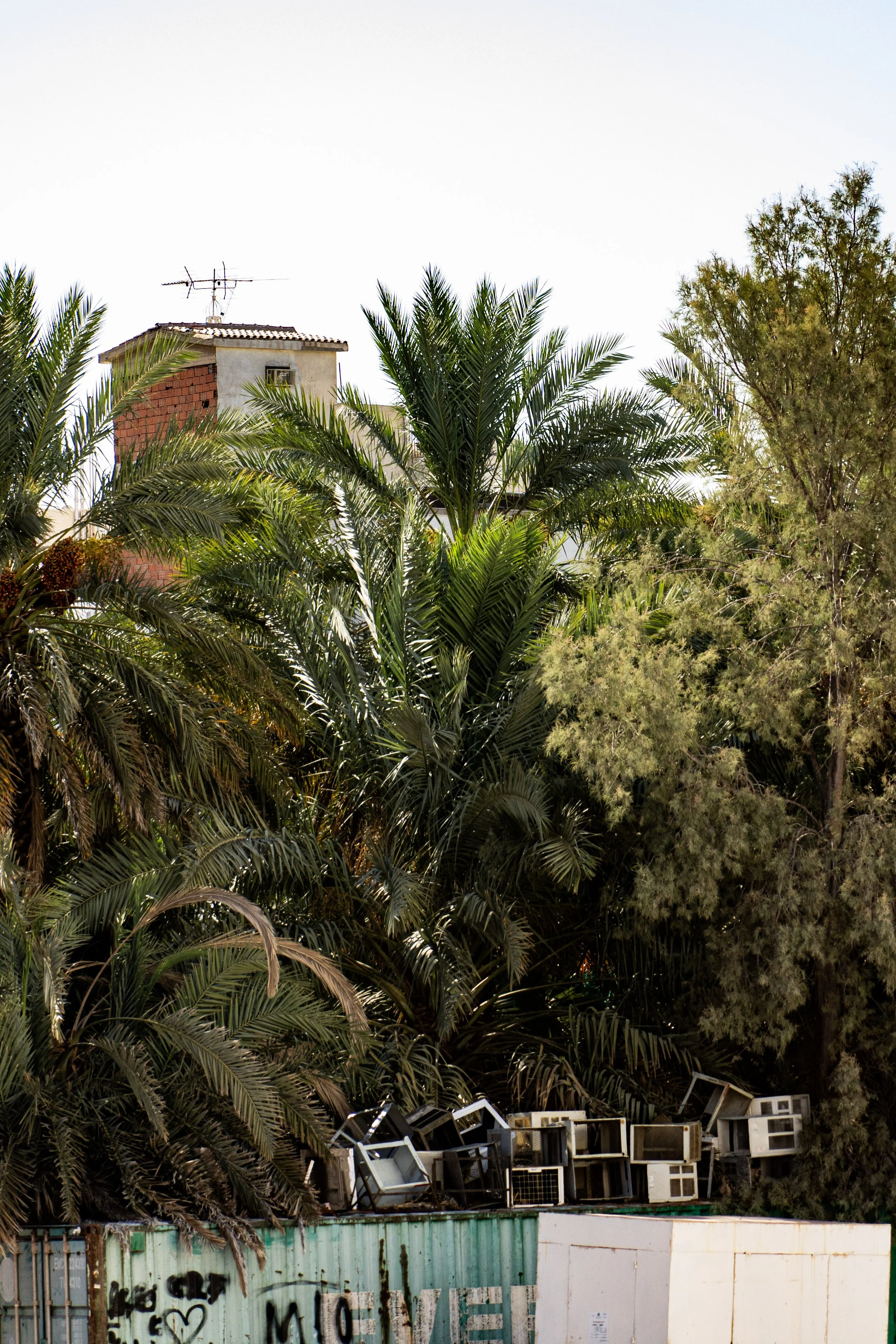
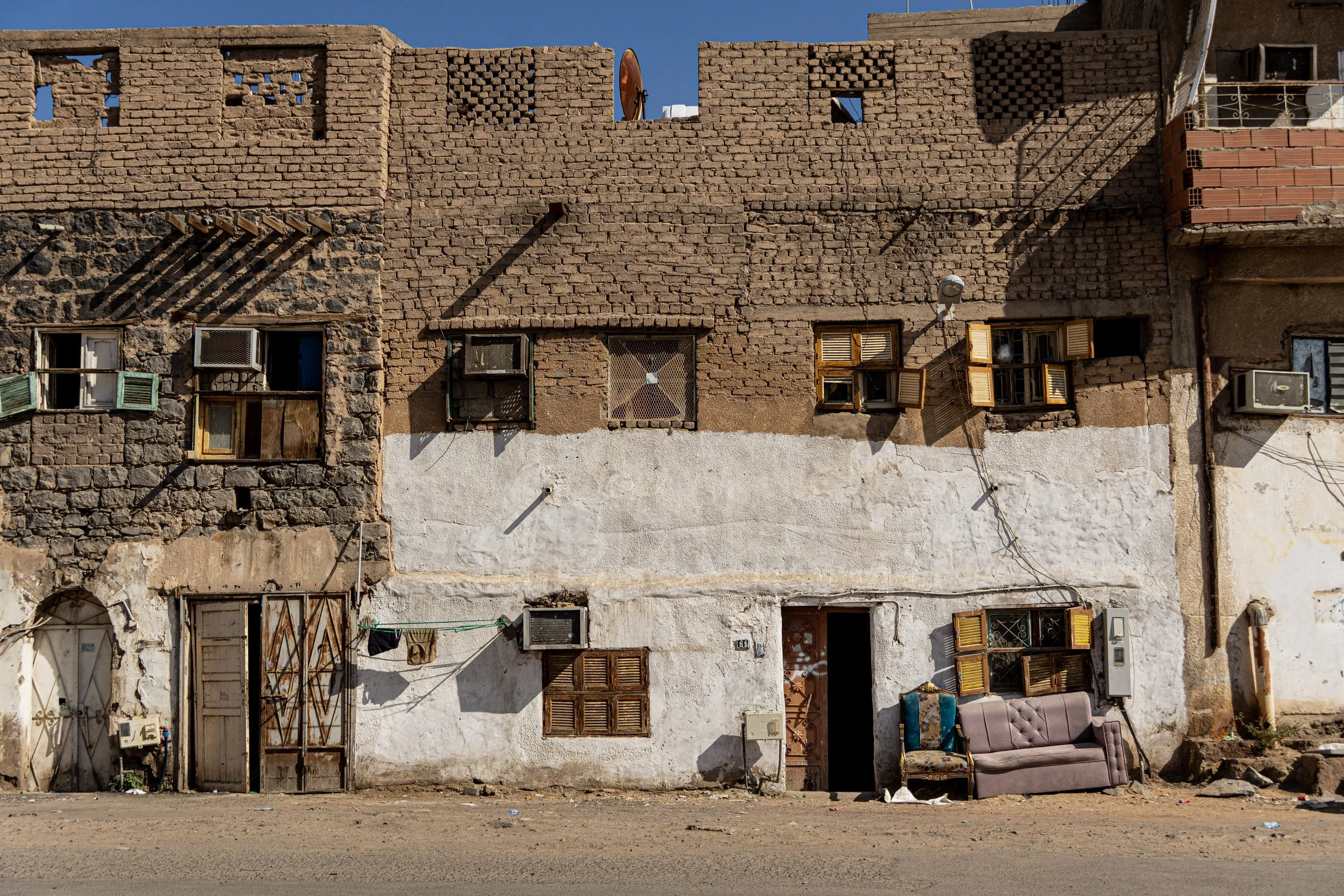
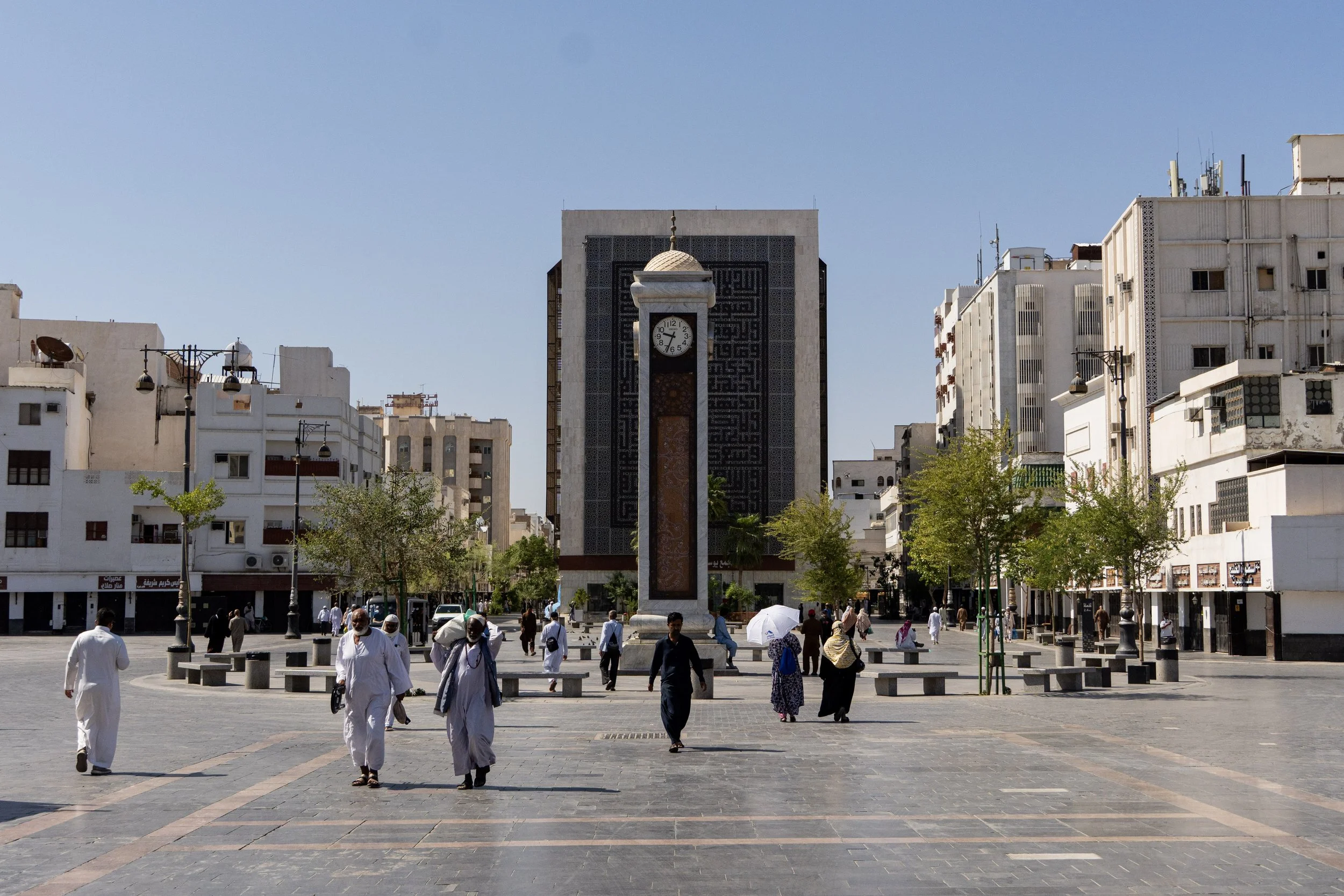
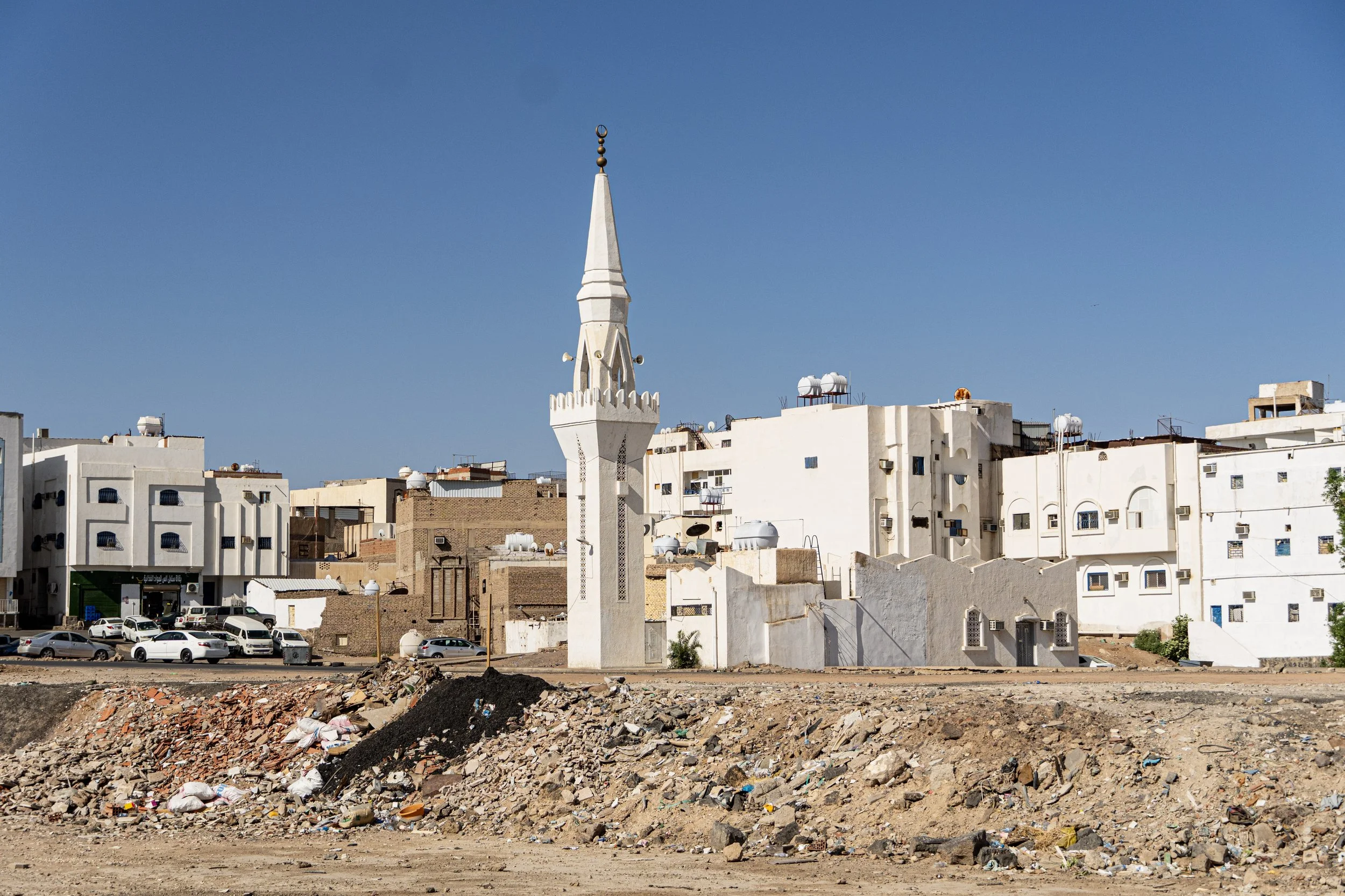
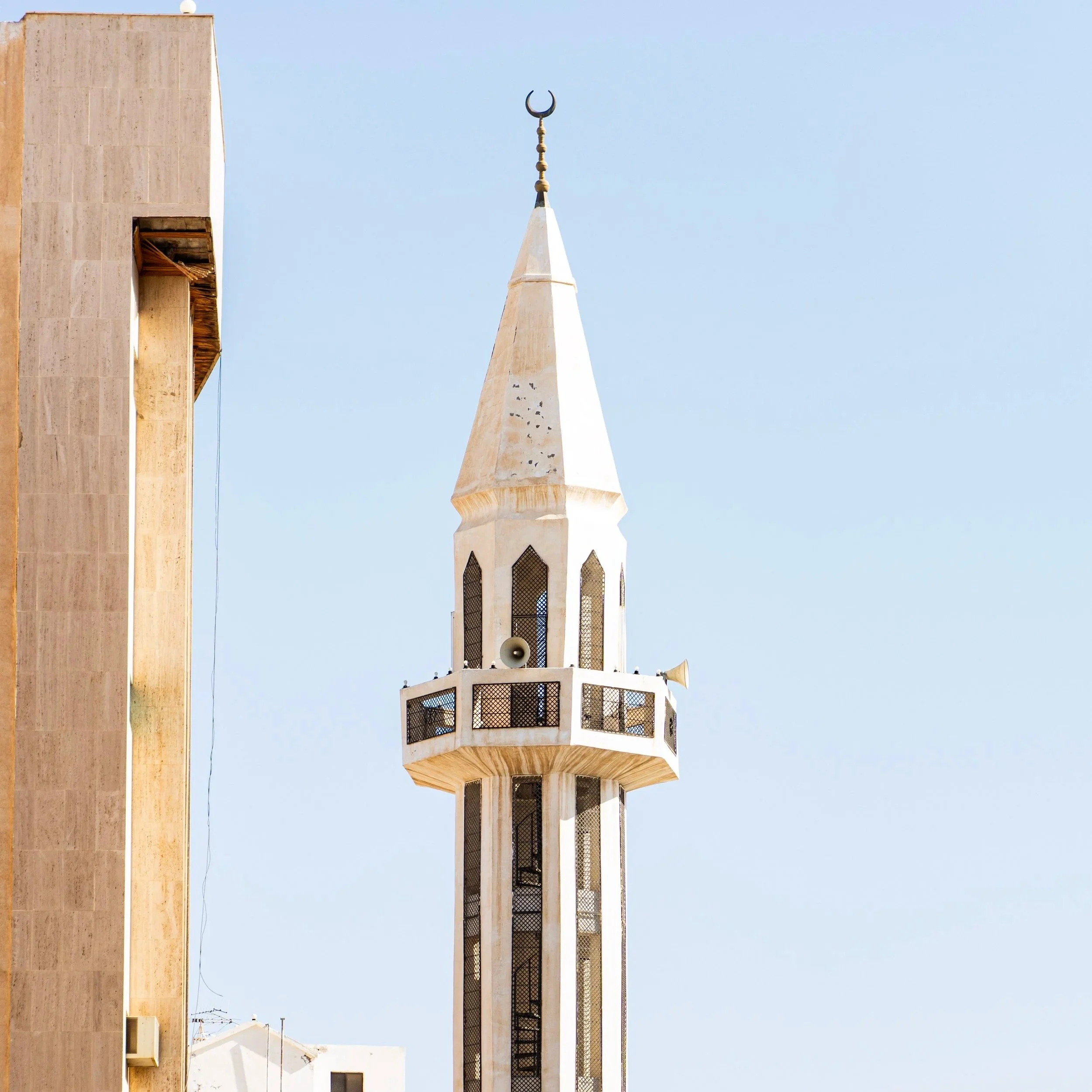
For more than fourteen centuries, Madinah has been shaped by pilgrimage, devotion, and shared ritual. As one of Islam’s most sacred cities, its spiritual significance is deeply embedded in everyday urban life. Unlike cities that stage awe through spectacle, Madinah embeds it into daily rhythm.
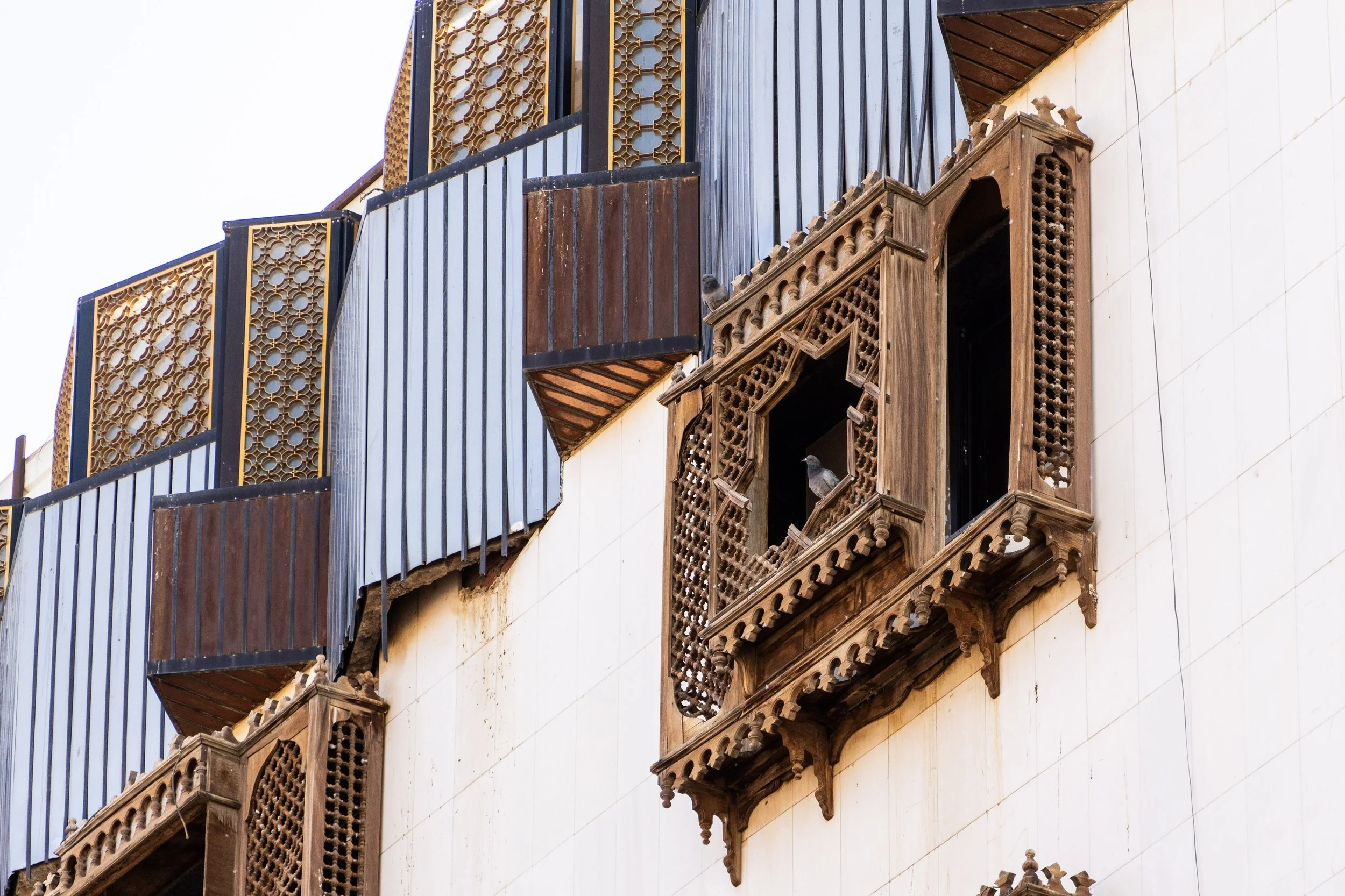
Today, Madinah welcomes 9 million visitors annually, with plans to reach 25 million by 2030. Growth is a blessing, yet the rise of hotel towers and a rapidly shifting urban fabric place increasing pressure on historic neighborhoods and community spaces. As the city expands, what happens to the spatial and social rhythms that have sustained its sense of awe for centuries? This story is the outcome of many months of engagement in Madinah.
In collaboration with academic and local partners, we gathered 147 stories through interviews, participatory mapping, a public installation, and a digital platform, revealing how wonder is woven into Madinah’s neighborhoods, mosques, landscapes, and shared spaces.
Collective effervescence in the rhythm of Islam
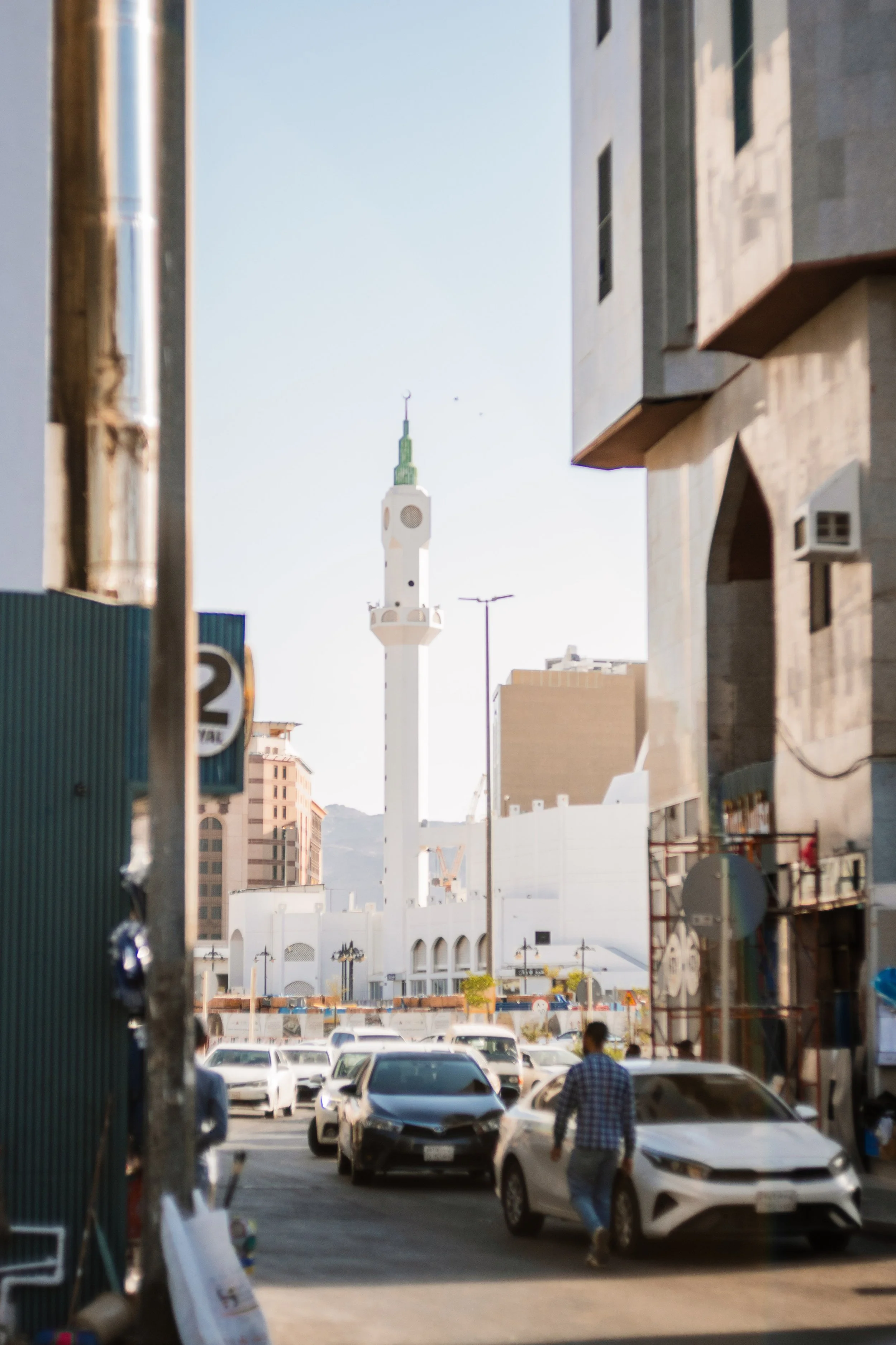
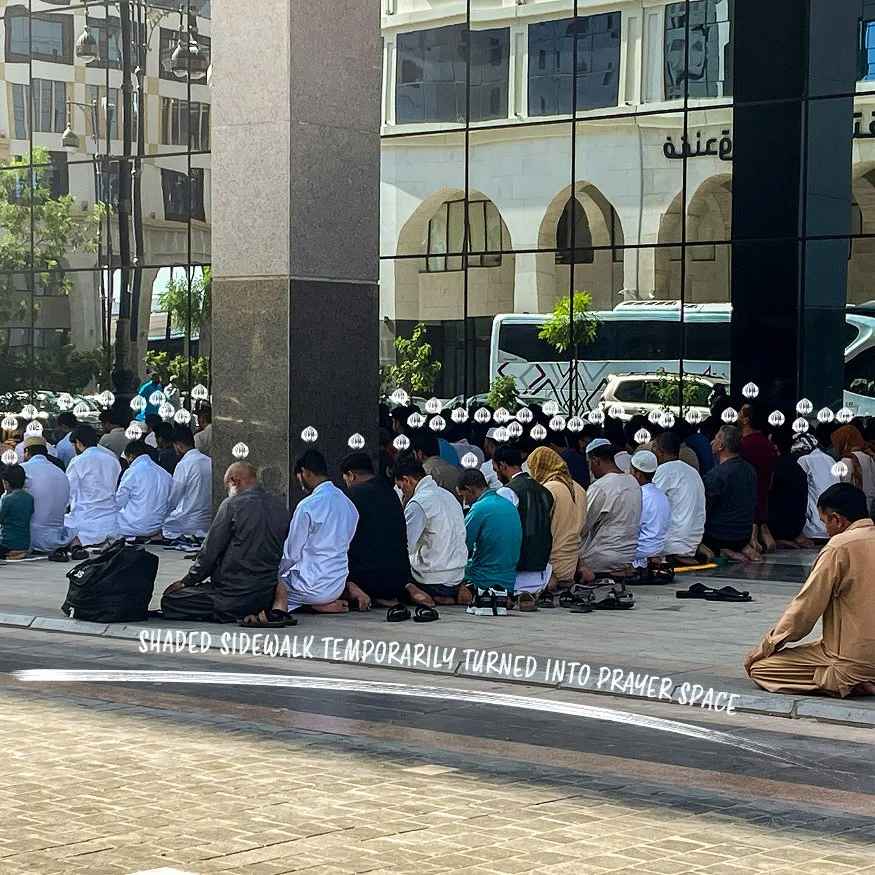
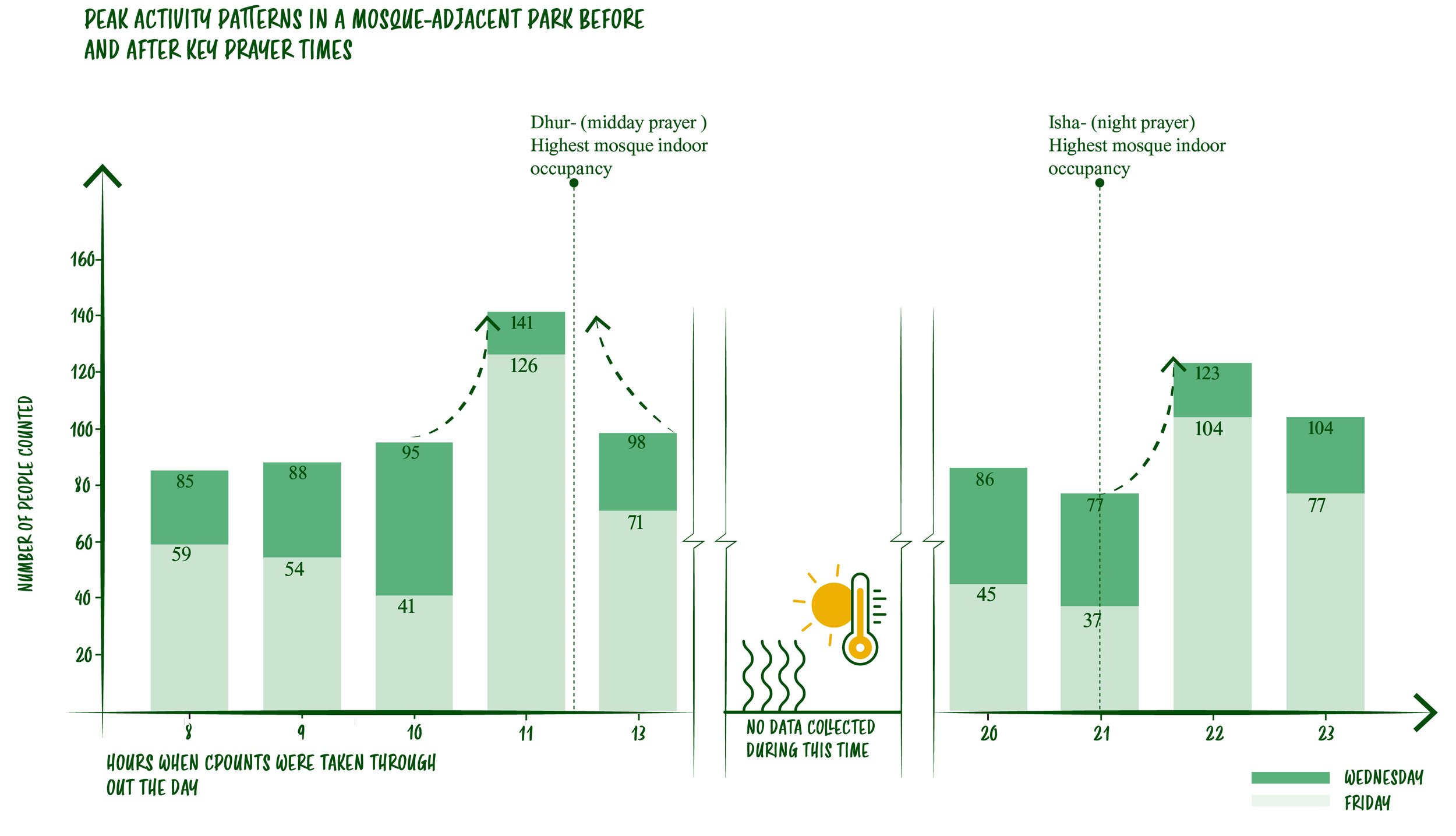
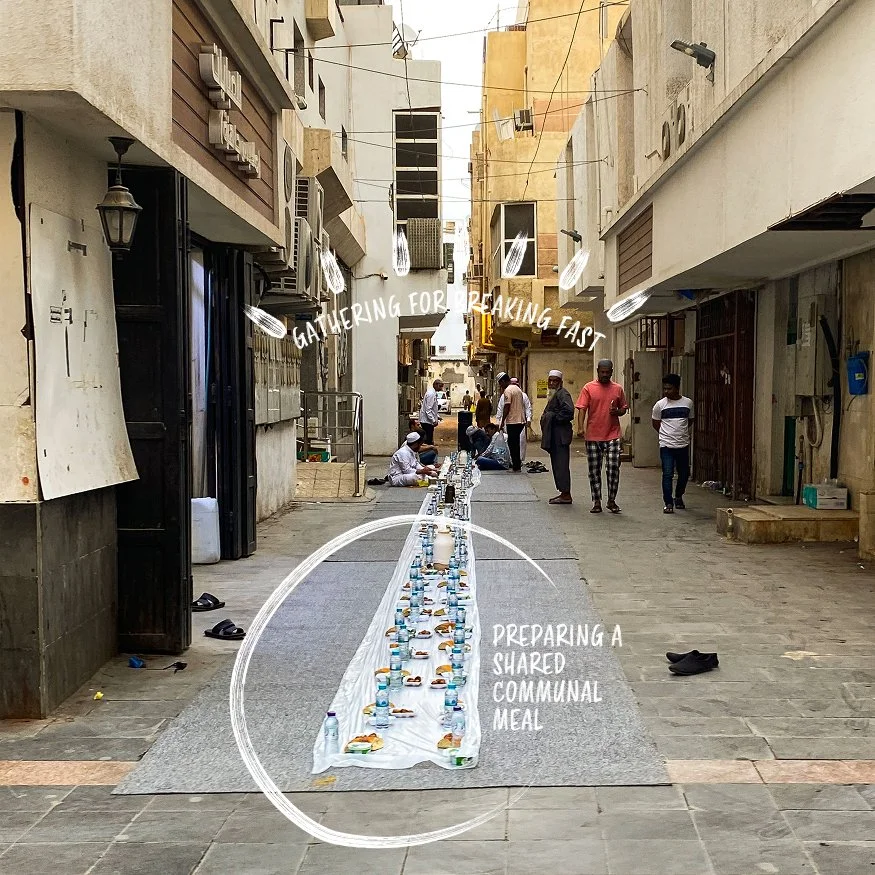
Five times a day, the call to prayer echoes across Madinah. People walk toward the nearest minaret on the horizon. Shops close, conversations pause, and streets briefly become places of prayer. At the center of this rhythm stands the mosque as a place of worship, and a civic anchor for each neighborhood. It is where people study, meet, break fast, and gather. A local architect recalled studying there during exam days: “It was peaceful, and we just liked being inside.” During Ramadan, mosques host iftar meals where residents bring food to share, and neighbors and visitors sit side by side. “These shared meals are one reason many in Madinah come to know one another”, he noted.
Across the 147 stories collected, gathering (35 mentions) and prayer (30 mentions) emerged as the most frequently cited rituals at the most granular level reinforcing how collective presence lies at the heart of everyday life. Awe is experienced by people, not from spectacle, but from collective alignment. From the feeling of being part of something larger, enacted together. Here, collective effervescence is woven into the daily and weekly rhythm of the city.
Moral beauty and everyday hospitality
Awe also appears through care. Hospitality toward pilgrims has long shaped the city’s social fabric. During panel discussions, participants recalled how families once hosted pilgrims in their homes, a tradition that continues today in quieter gestures. Visitors are invited in for tea and dates, offered guidance, or welcomed to share a meal. Here, moral beauty is witnessed in the everyday generosity embedded in public life
Mountains, vastness, and memory
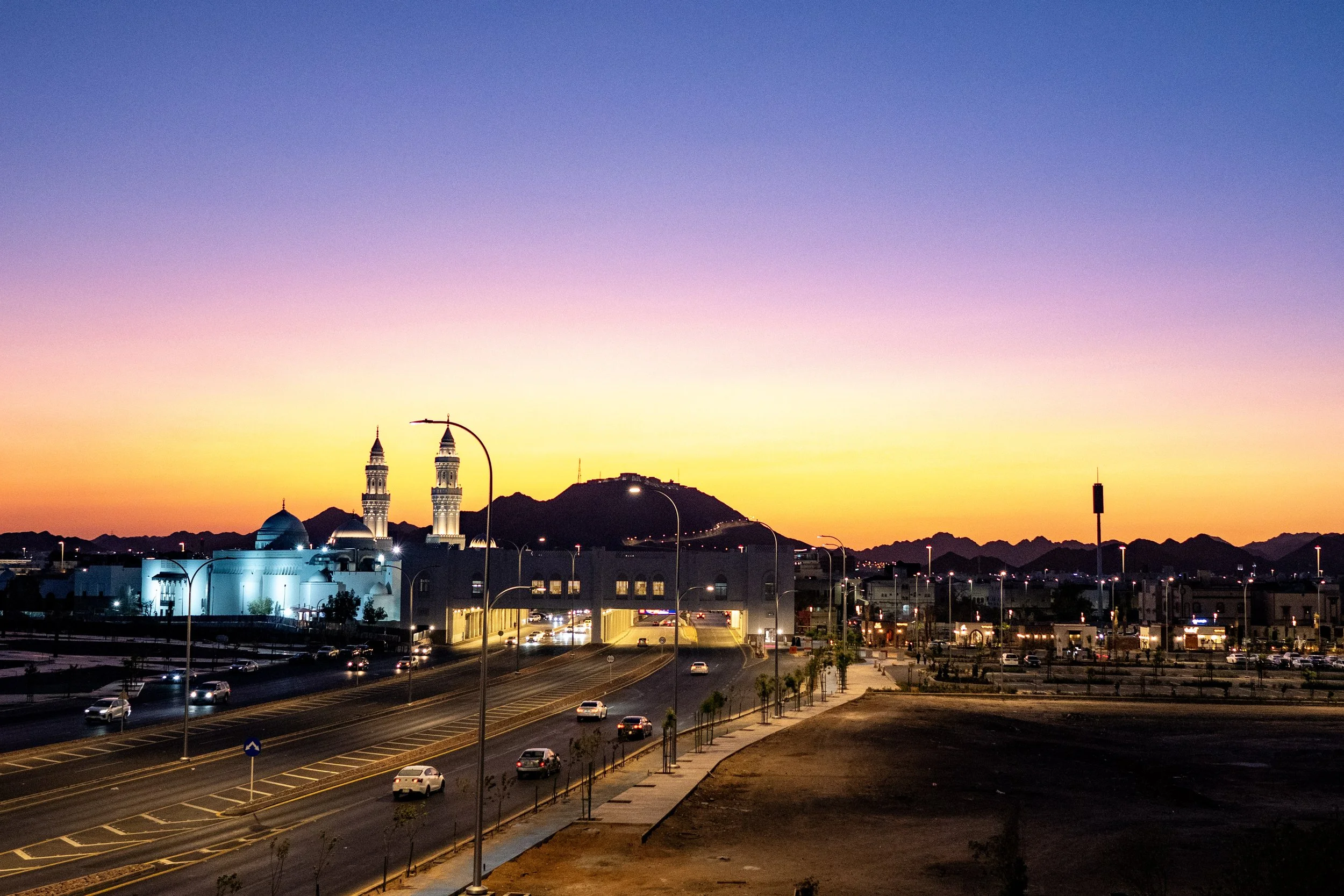
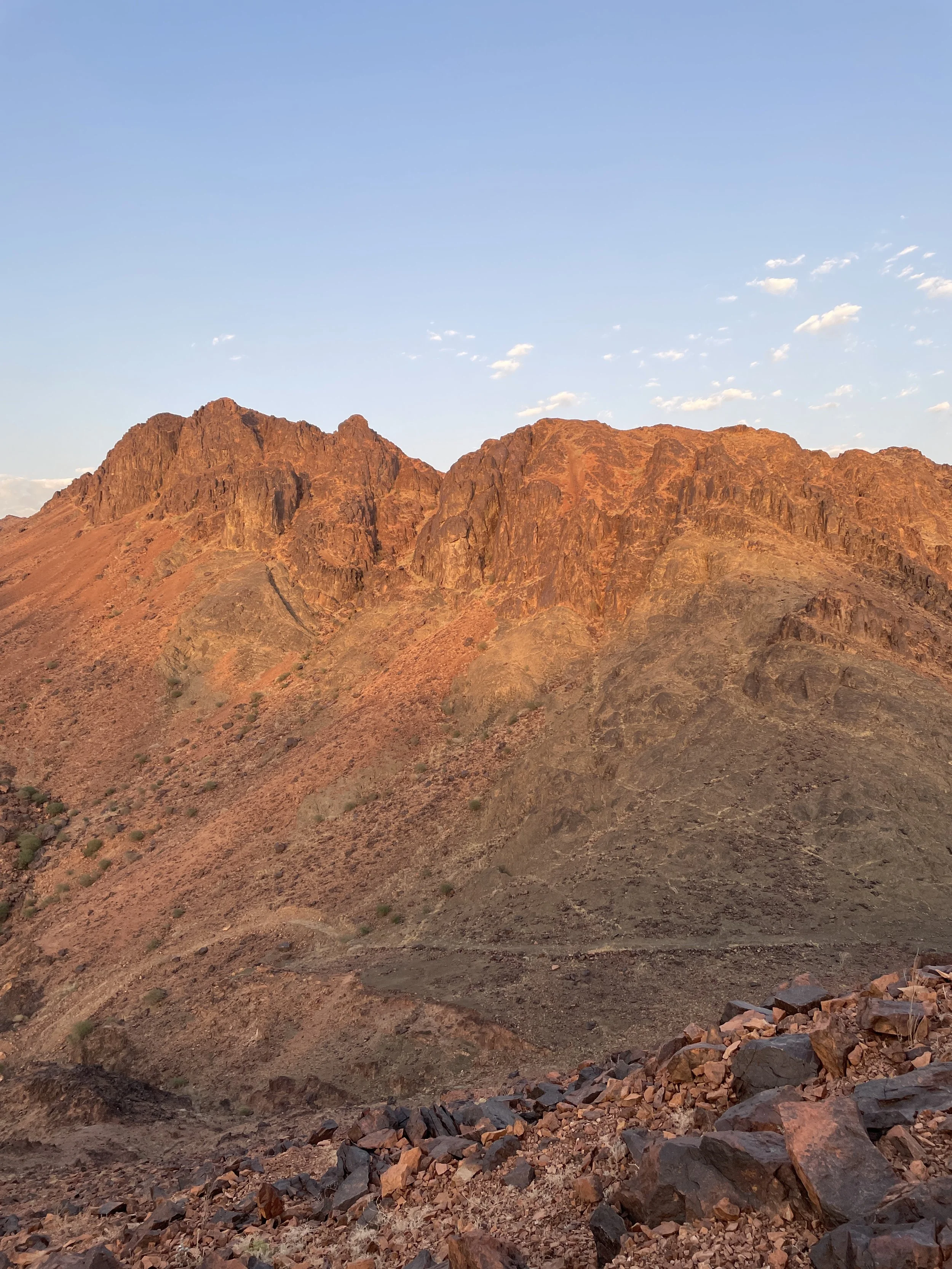
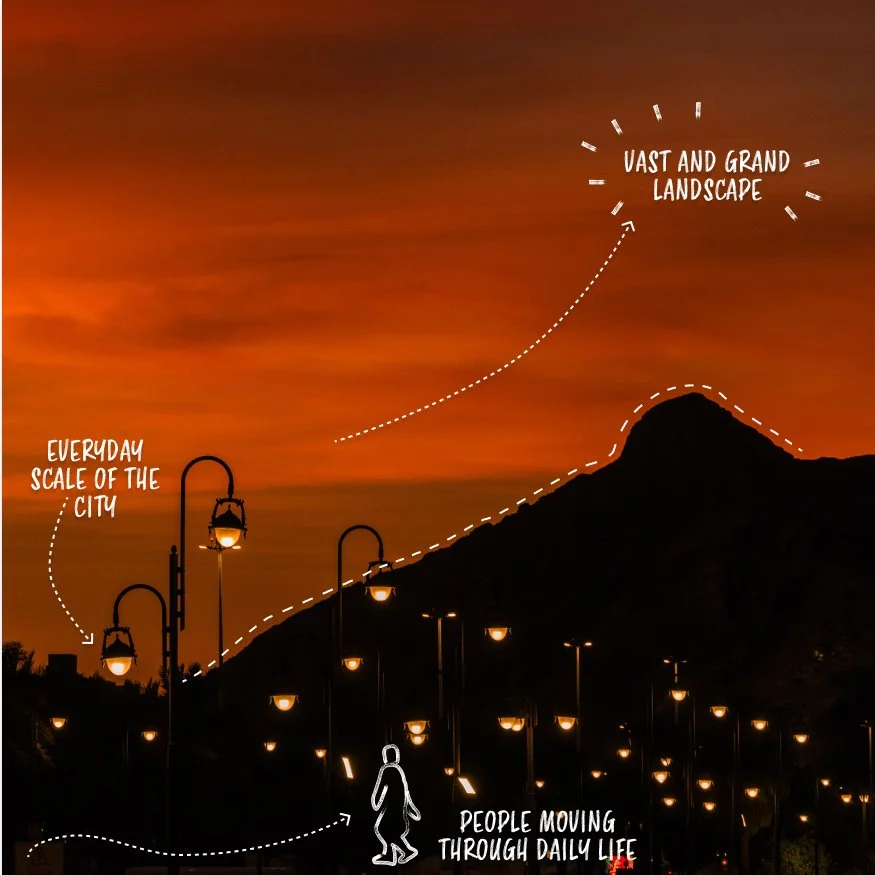
Madinah sits within a dramatic natural setting of desert plains, farms, and mountains framing the city. For many, Mount Uhud shapes daily movement. “I choose the route where I can see Mount Uhud,” one participant shared. More than scenery, the mountain has a vast scale and deep religious memory, long associated with pivotal moments in Islamic history. During an engagement activity, most participants chose the mountains as what they would miss most if they were to leave Madinah, an important indication of their significance.
Life, death, and continuity
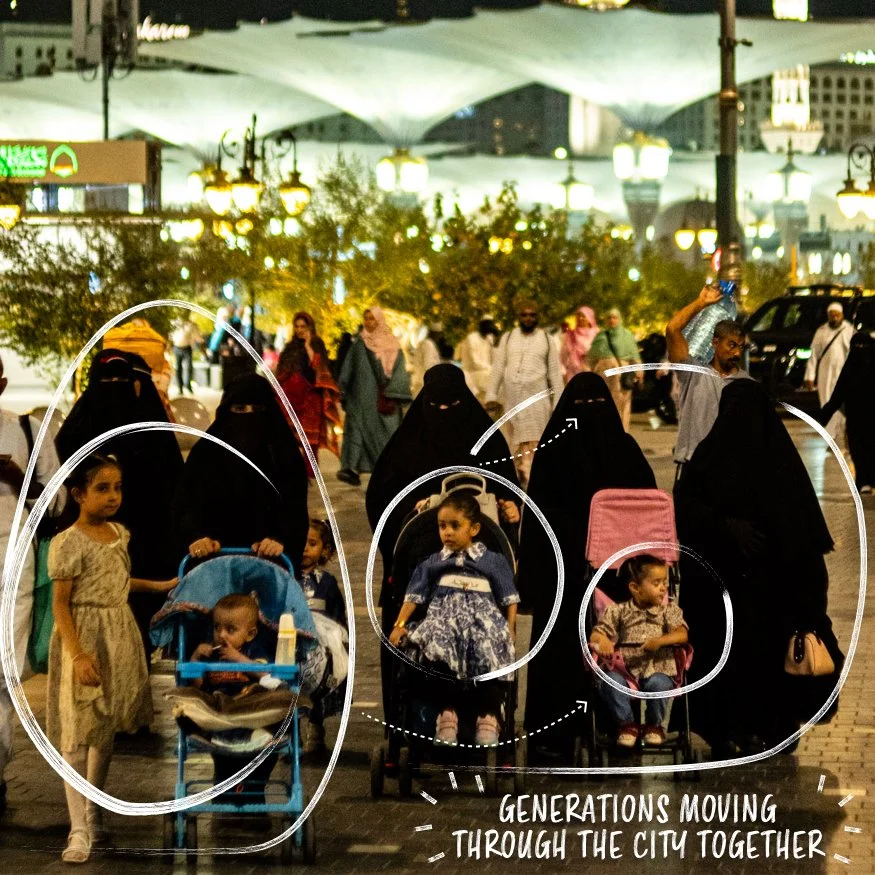
As the resting place of the Prophet Muhammad, Madinah has a deep awareness of continuity. Many Muslims view living in and even dying in the city as spiritually meaningful, rooted in long-standing traditions that honor proximity to sacred ground. For some, especially later in life, the desire to spend extended time in Madinah reflects this aspiration. Birth, worship, aging, and death unfold within the same urban landscape, merging generations.
Sacred geometry and urban form
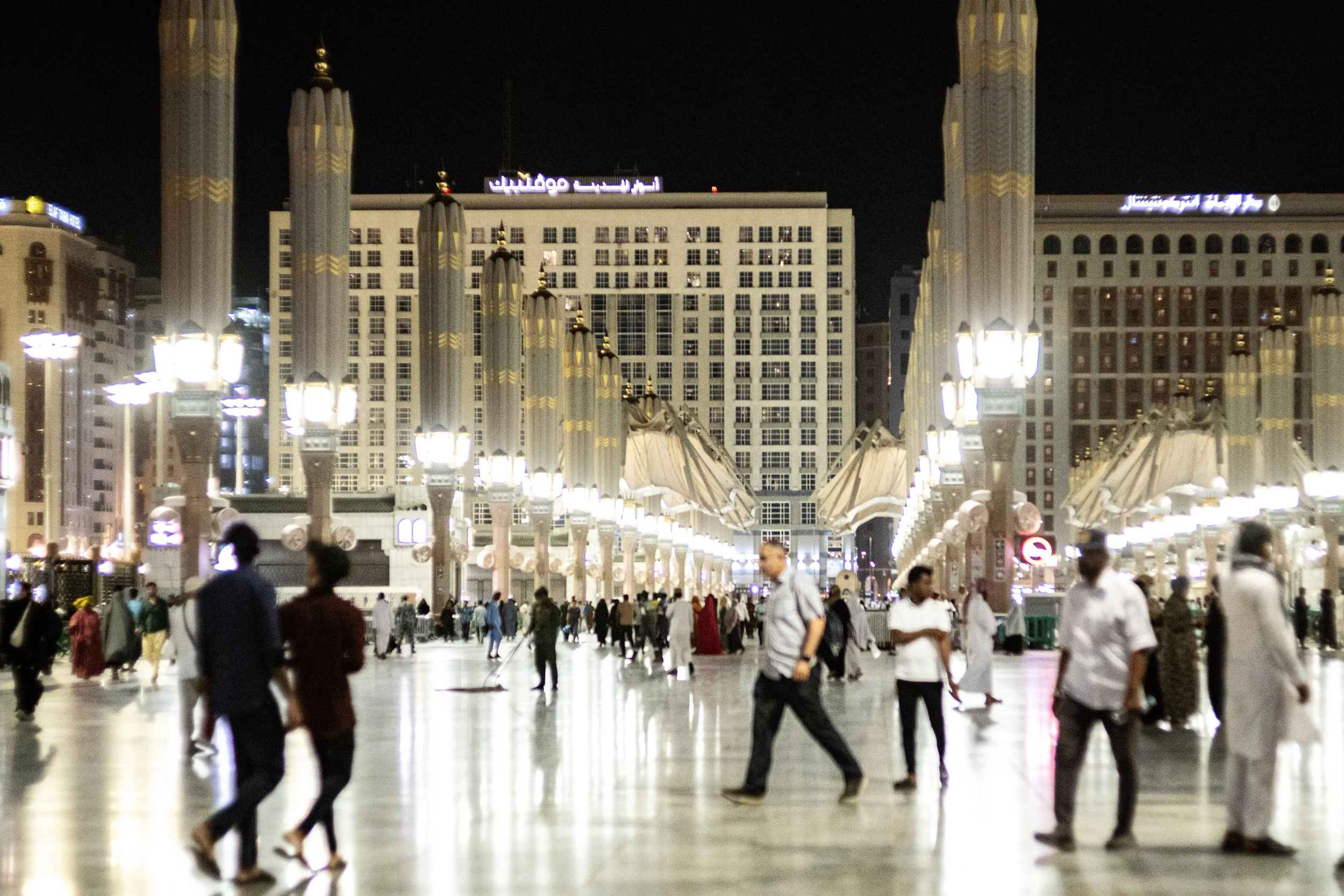
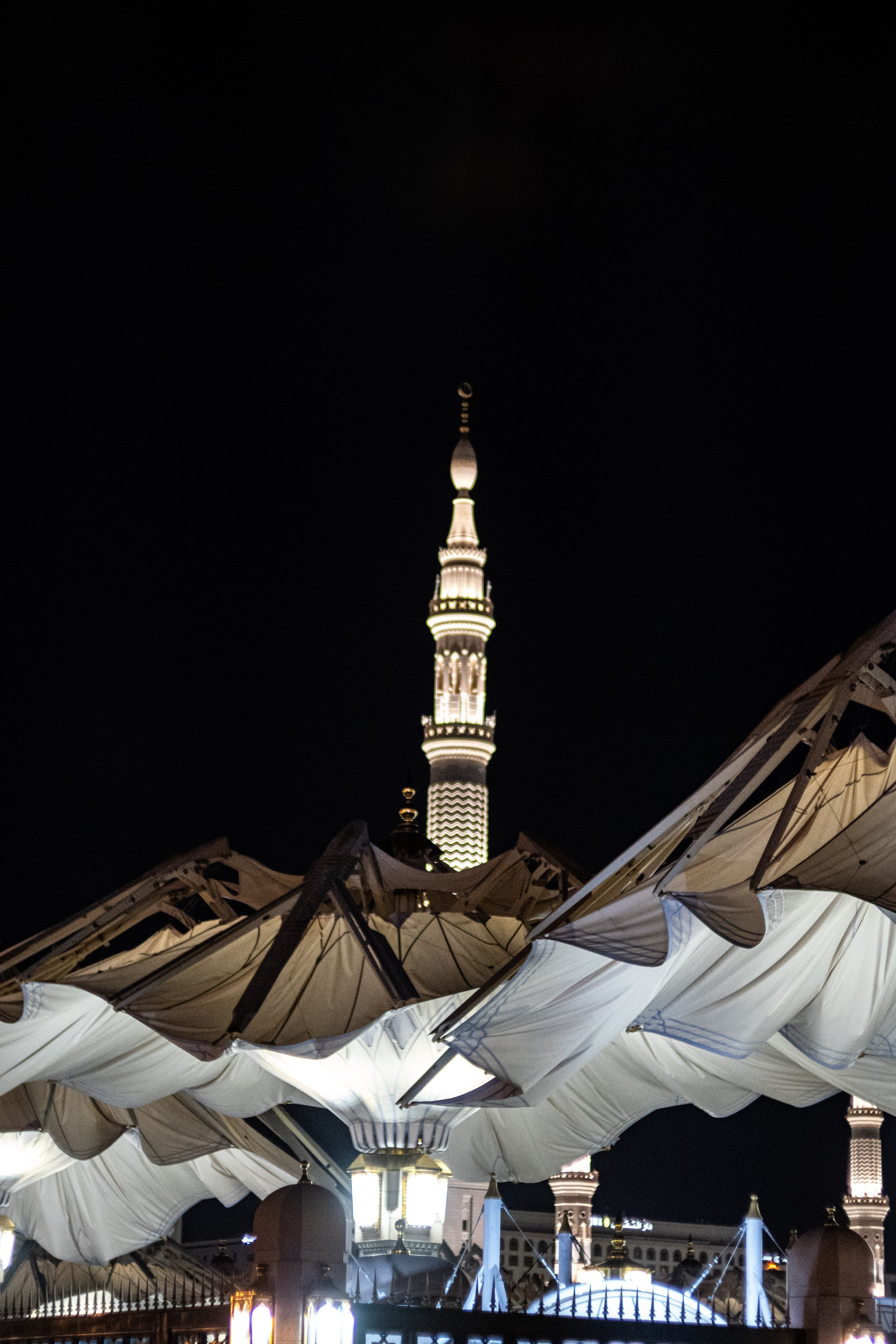
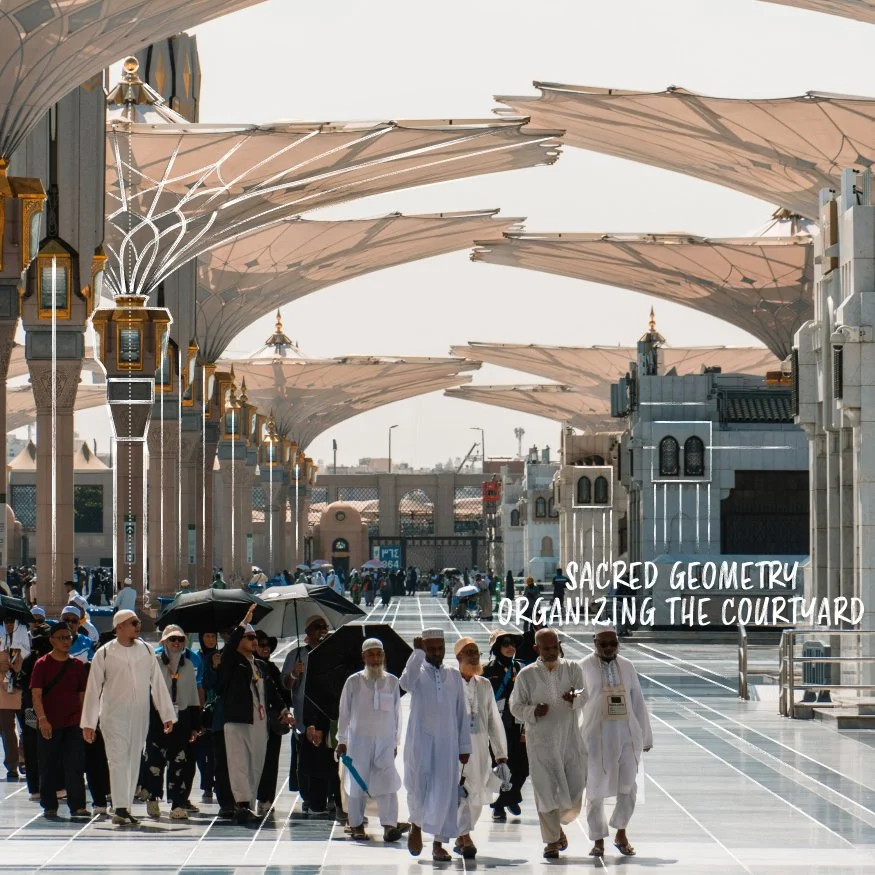
From neighborhood mosques to the monumental scale of Al-Masjid an-Nabawi, architecture shapes how awe is experienced in Madinah. The Prophet’s Mosque expands across the city with vast courtyards, canopies, and luminous marble surfaces, a space capable of holding hundreds of thousands. Yet this grandeur is also echoed in smaller neighborhood mosques, where geometry, repetition, and light regulate tempo and invite stillness. Minarets punctuate the skyline, anchoring orientation across districts and reinforcing the mosque as both spiritual and landmark. In Madinah, sacred form is not an isolated spectacle, it becomes urban structure.
Awe in Madinah is not rare or accidental. It is a part of daily life, shaping how people gather, move, and share time together. Sacredness here functions as public infrastructure.
As Madinah continues to rapidly expand, how can the city protect its urban fabric and preserve the rituals and shared spaces that sustain collective awe? Madinah’s future depends not only on accommodating more visitors, but on safeguarding the spatial and social rhythms that make the city extraordinary.
