Copenhagen
ABOUT THE RESEARCH
How does everyday awe shape the city for its people?
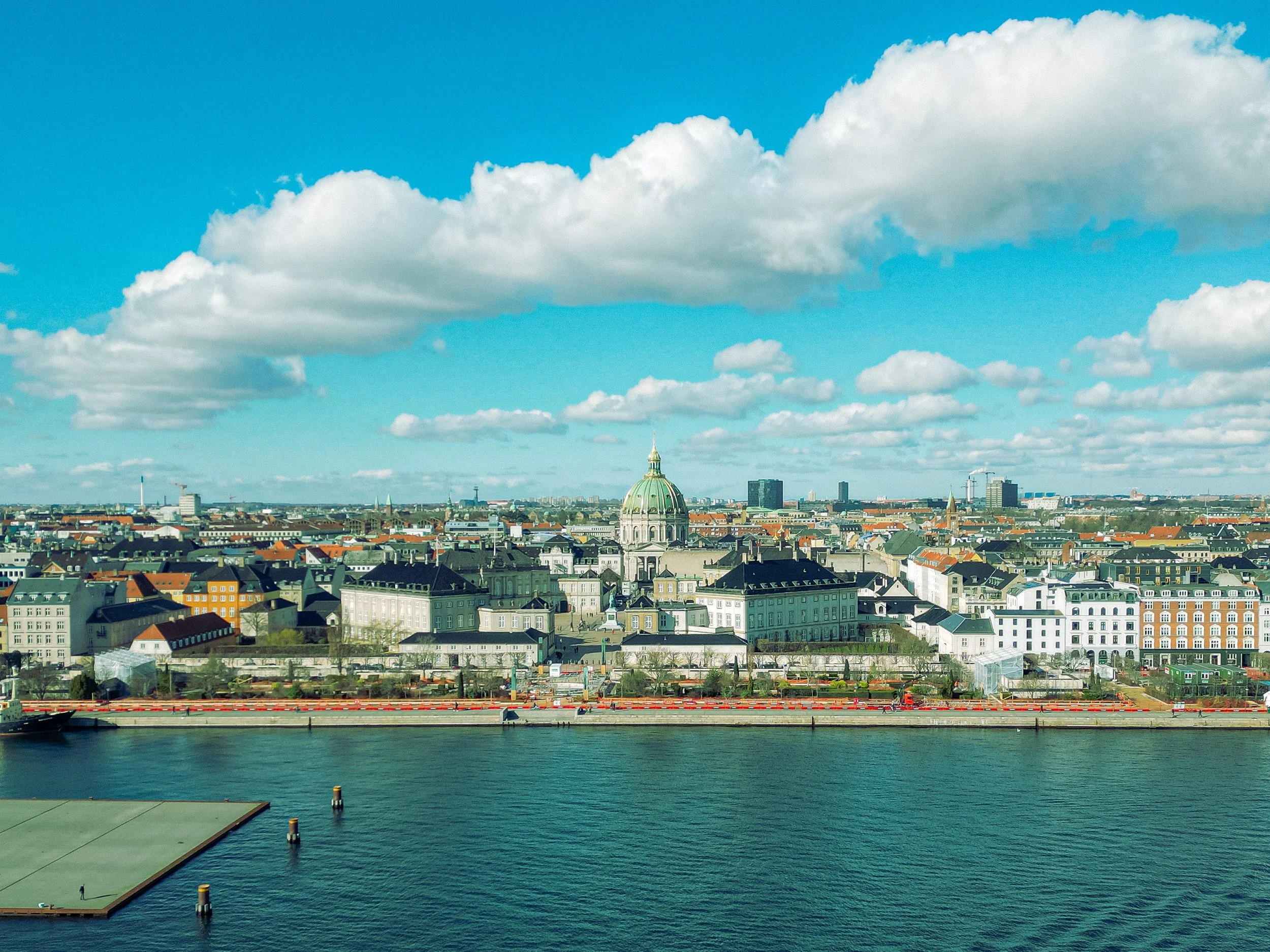
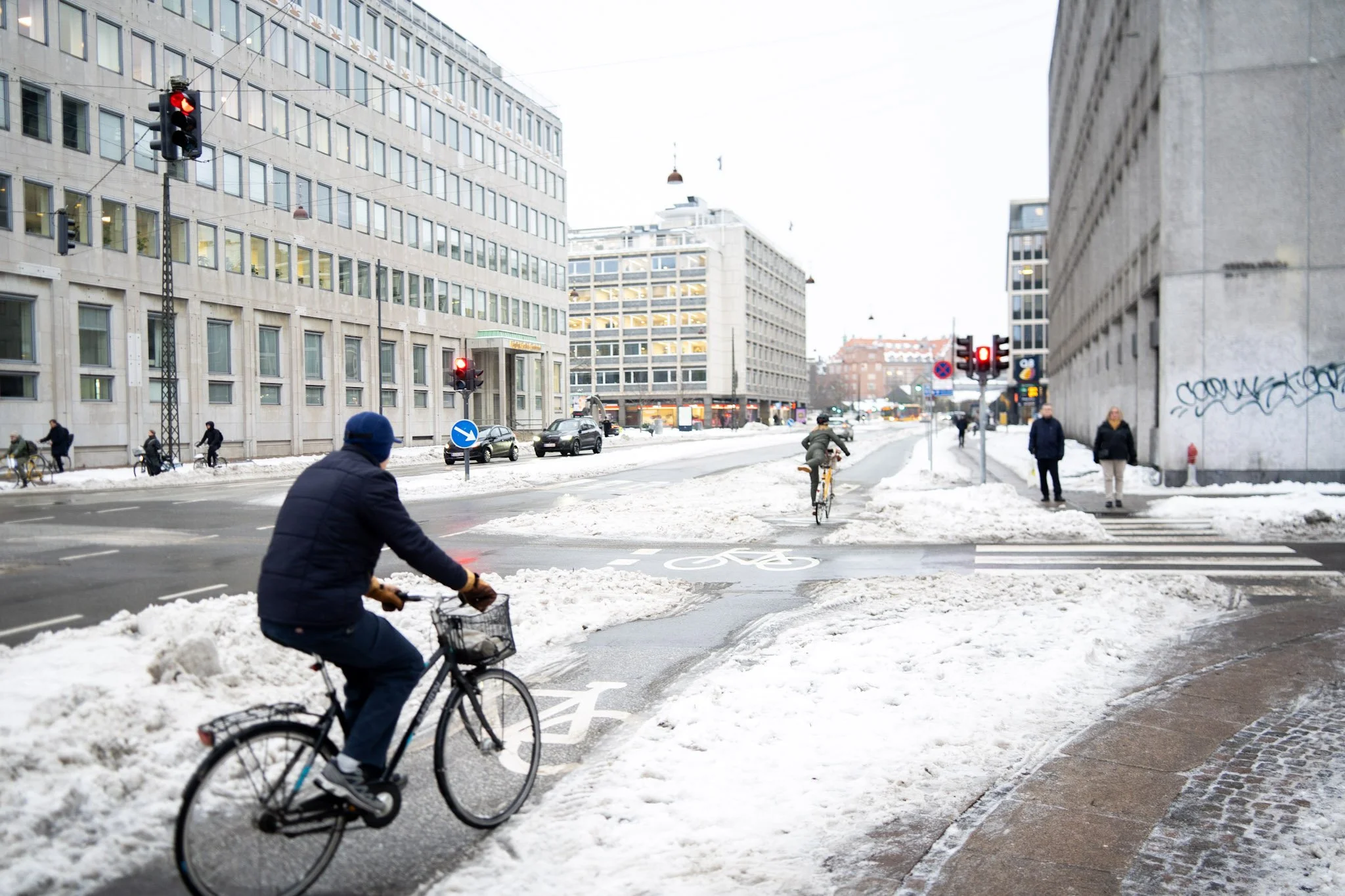
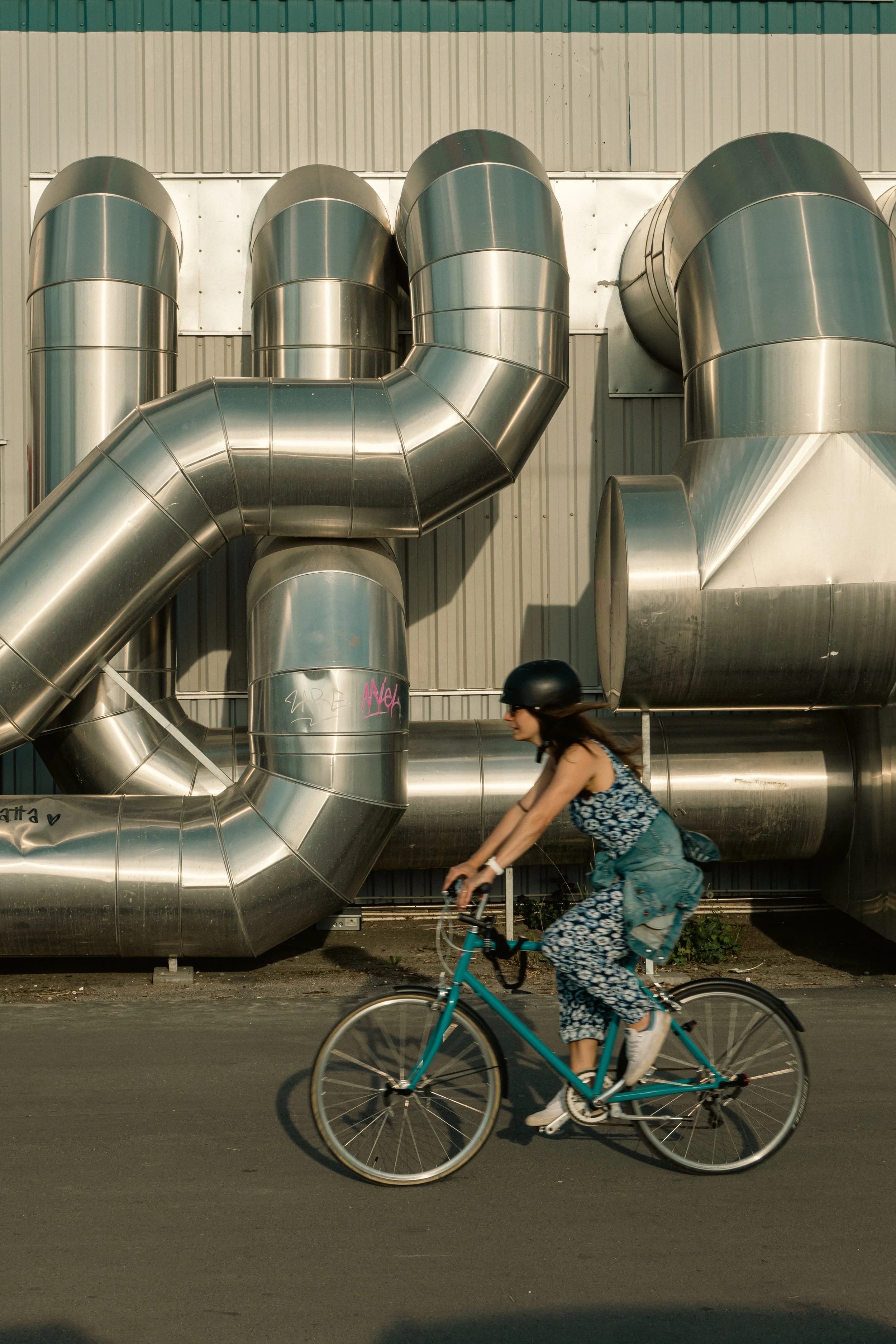
Copenhagen is often held up as a model for livable urban life, where cycling, public spaces, harbor access, courtyards, and playgrounds make the city feel open and shared. But this didn’t happen by chance. It grew from decades of civic action, public investment, and long-term planning.
Today, the qualities that make Copenhagen so appealing also raise questions about housing pressure, unequal access, and whose needs shape the city’s future. We’re exploring how everyday experiences of awe, from moving through the city to gathering in shared spaces, can deepen our sense of connection and expand what we imagine is possible together.
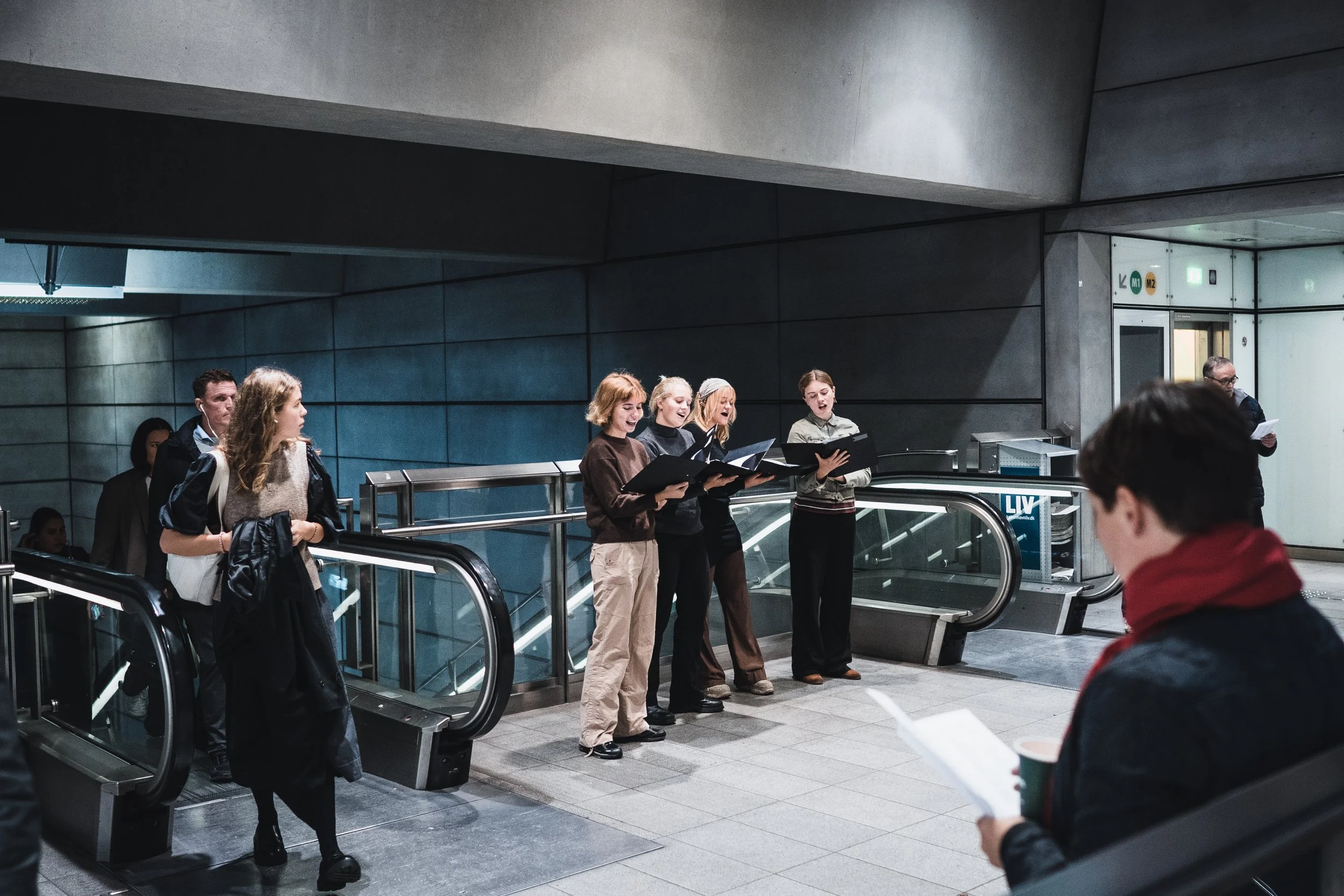
We’re exploring how awe and wonder show up in everyday life across Copenhagen.
Is there a place or moment in the city that stays with you? Who were you with, and what did you see, hear, or feel? Small memories can offer valuable clues about how people experience the city.
As we begin our first phase of research, we’re looking to connect with people who would like to be part of the work. You might share local knowledge, help us connect with specific communities, or explore how our approaches could complement each other.
JOIN OUR RESEARCH
Tell us about your moment of awe
Join us as a community researcher
Spread the word in your community
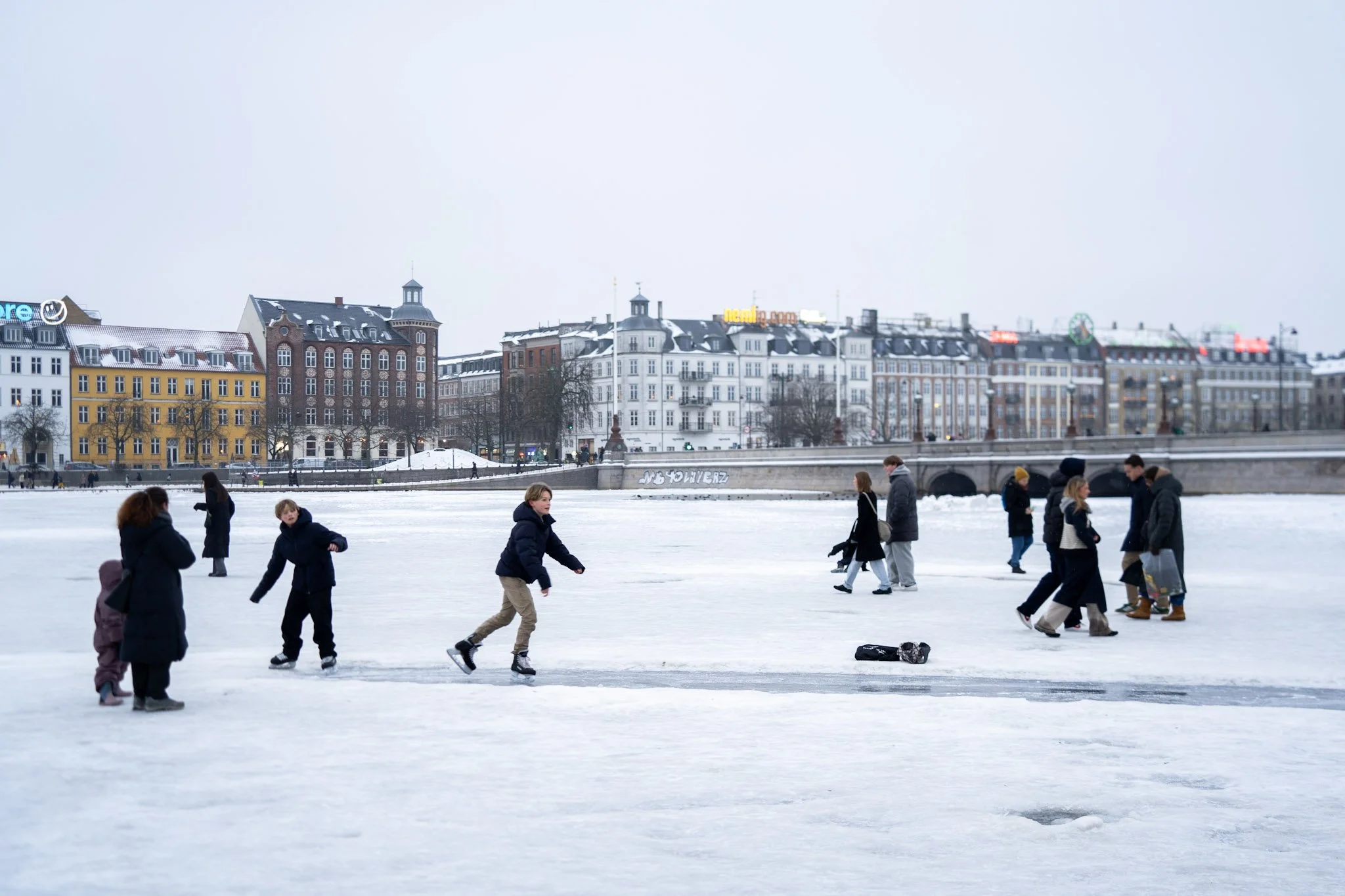
Exploring the tension between Copenhagen’s celebrated public life and who gets to shape it.
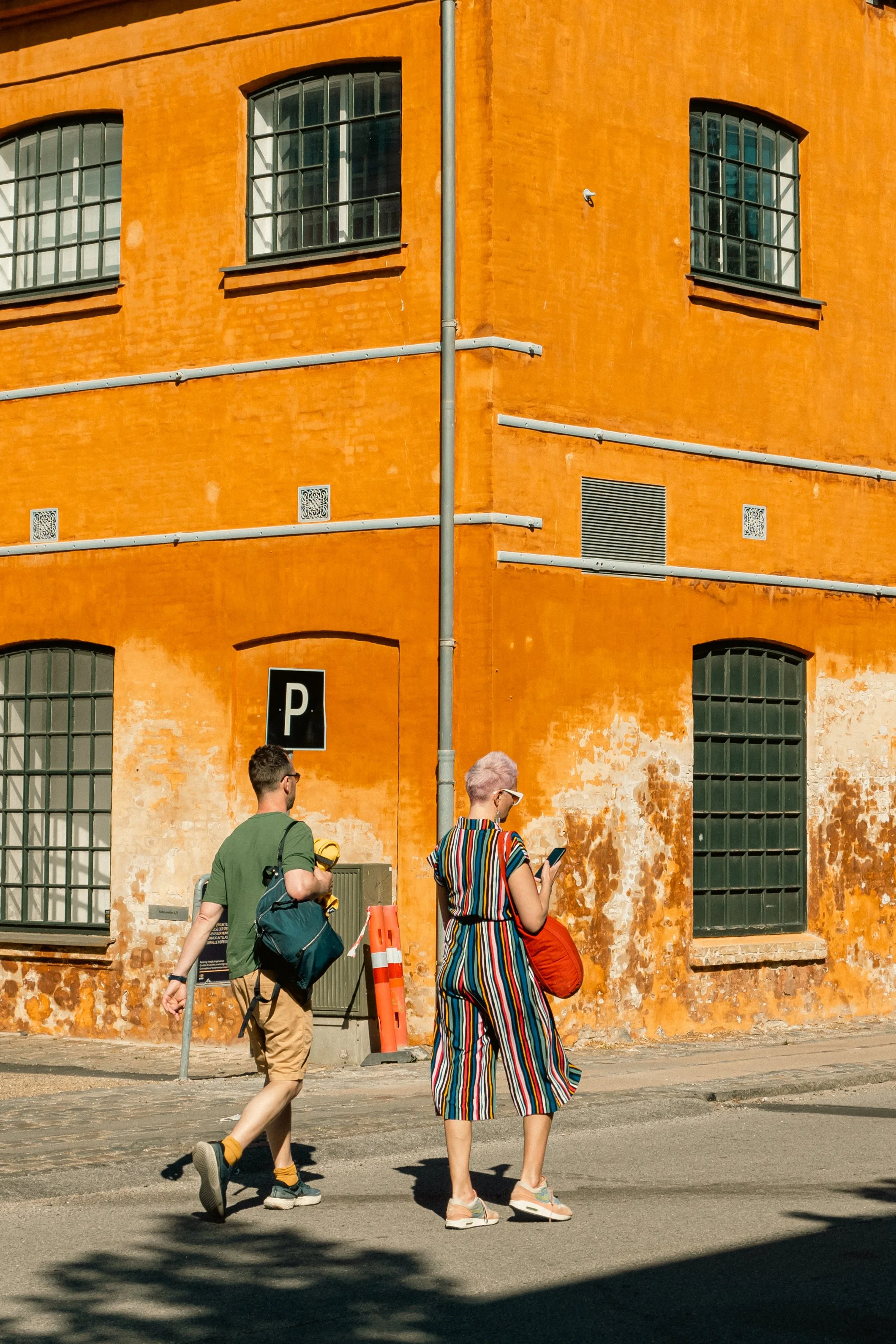
Since the 1990s, the city has transformed from a post-industrial capital in financial crisis into one of the world’s most liveable cities. This was achieved not through grand monuments, but through everyday infrastructure and public life: cycling, harbour access, courtyards, playgrounds, seasonal rituals, and collective gatherings.
Copenhagen is a valuable case study because this transformation can be traced through decades of urban renewal, long-term planning, and public investment. At the same time, its success has created tensions around gentrification, unequal access, and belonging, particularly in neighbourhoods such as Nørrebro.
We therefore study Copenhagen not as a finished model, but as a living example of how welfare values, governance, and design shape everyday experiences of awe and belonging.
CONTEXT
RESEARCH METHODS
Tracing places, listening to experiences, and documenting everyday life.
How do people come to experience awe in Copenhagen? To explore this question we use three research methods (below) and will be done with support from volunteers and community researchers across the city.
Field Notes
Documenting everyday moments through pictures and video.
Interviews
Listening to stories from people across the Bay Area
Awe Mapping
Sharing places where something moved you.