
Kobe
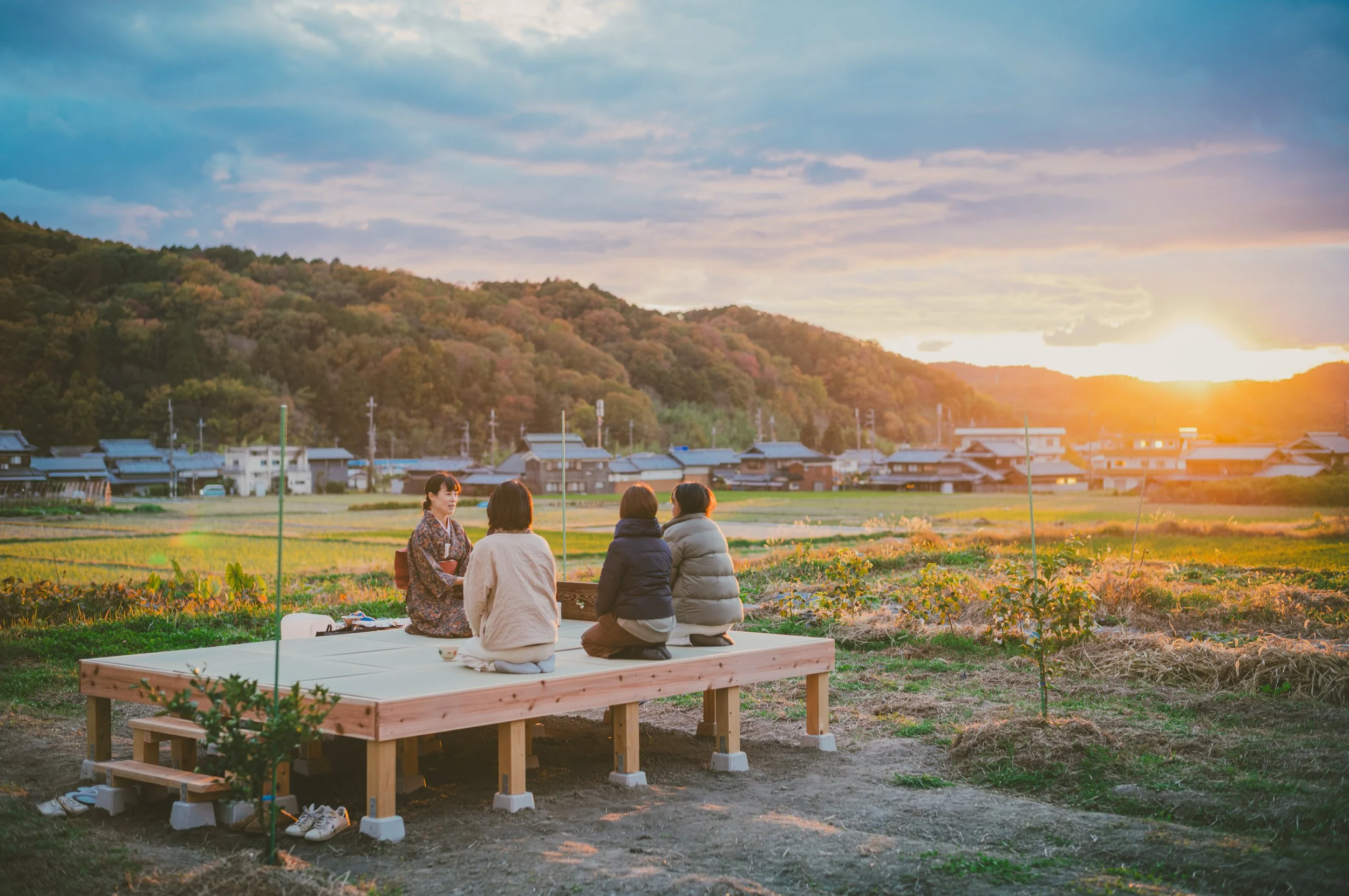
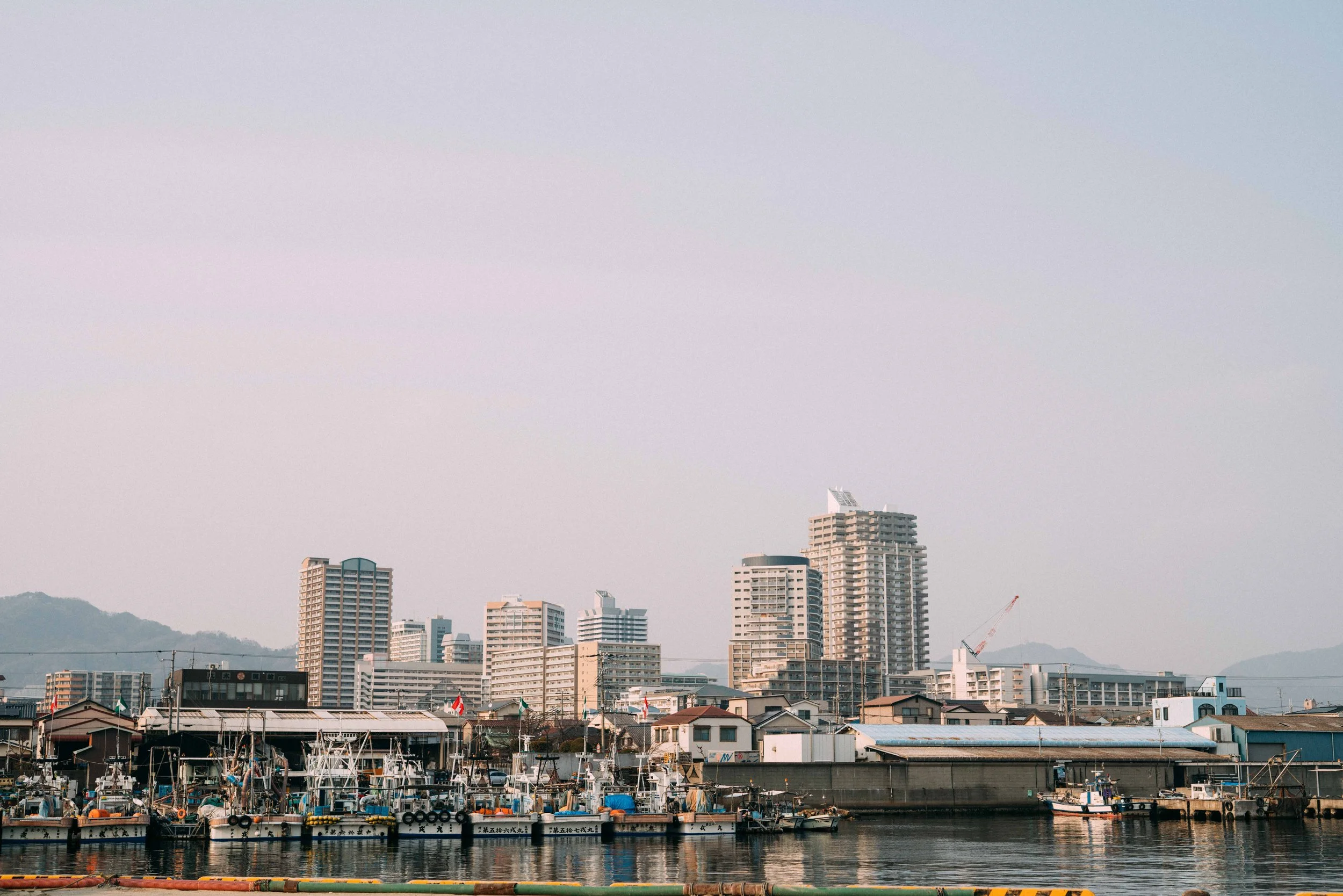
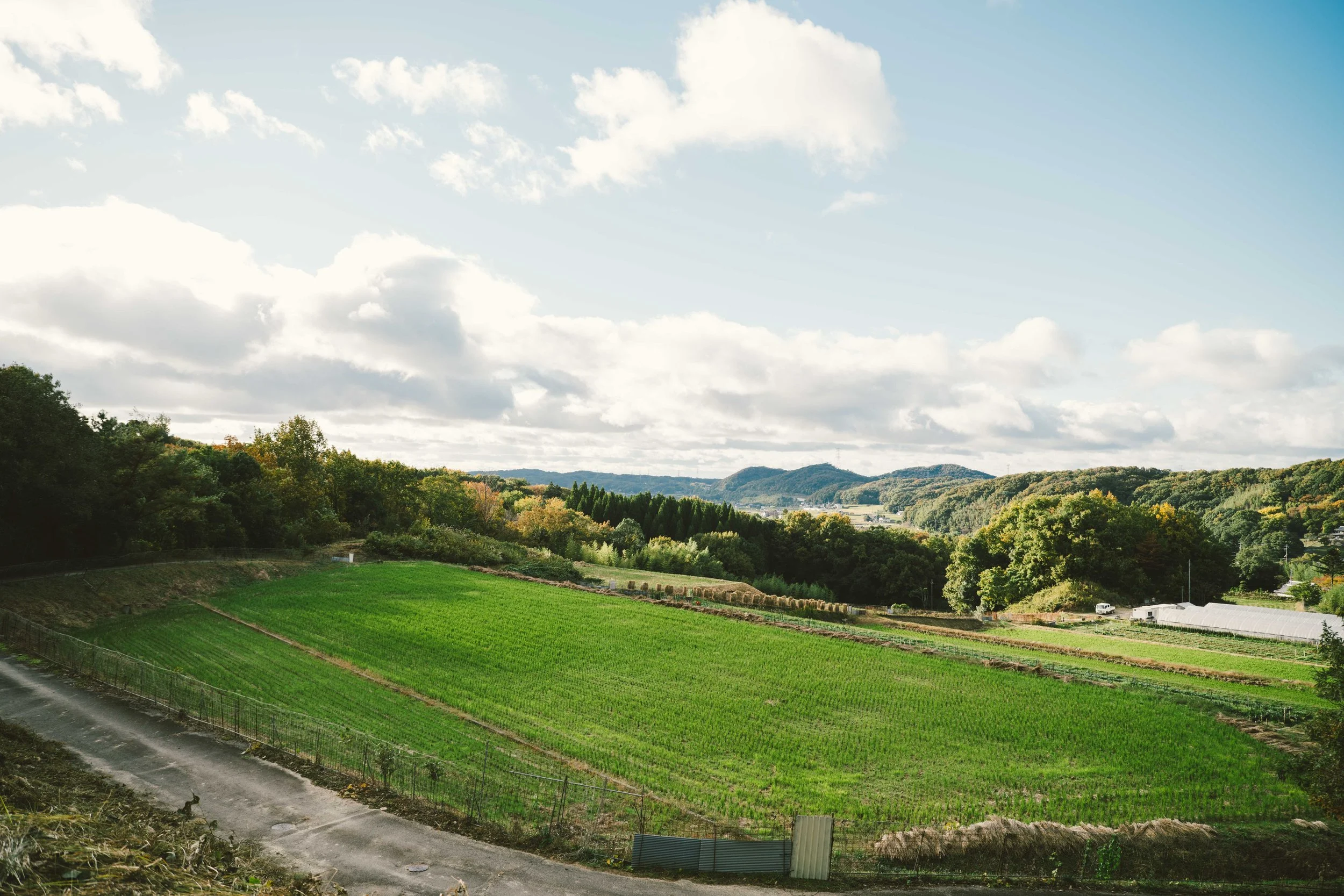
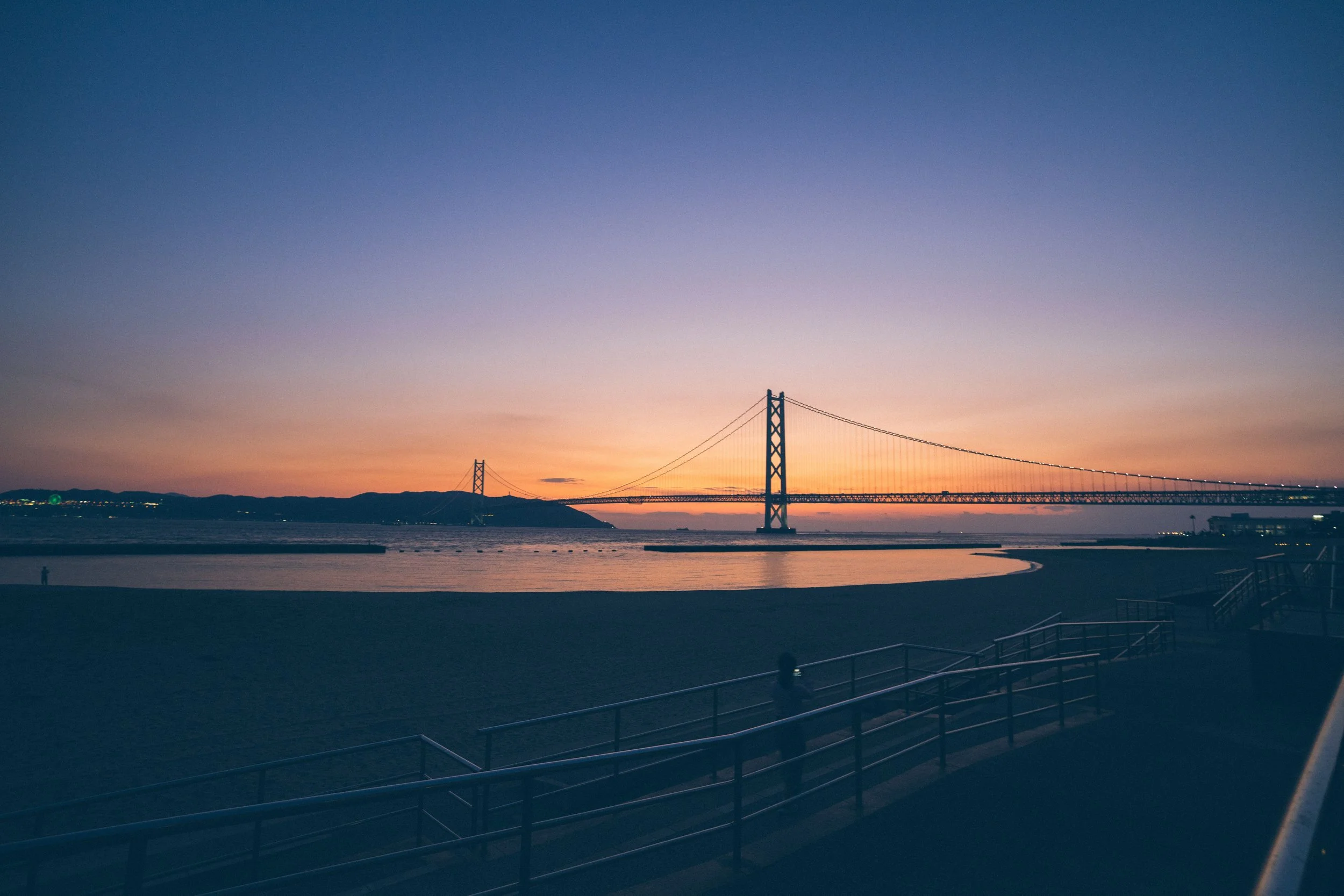
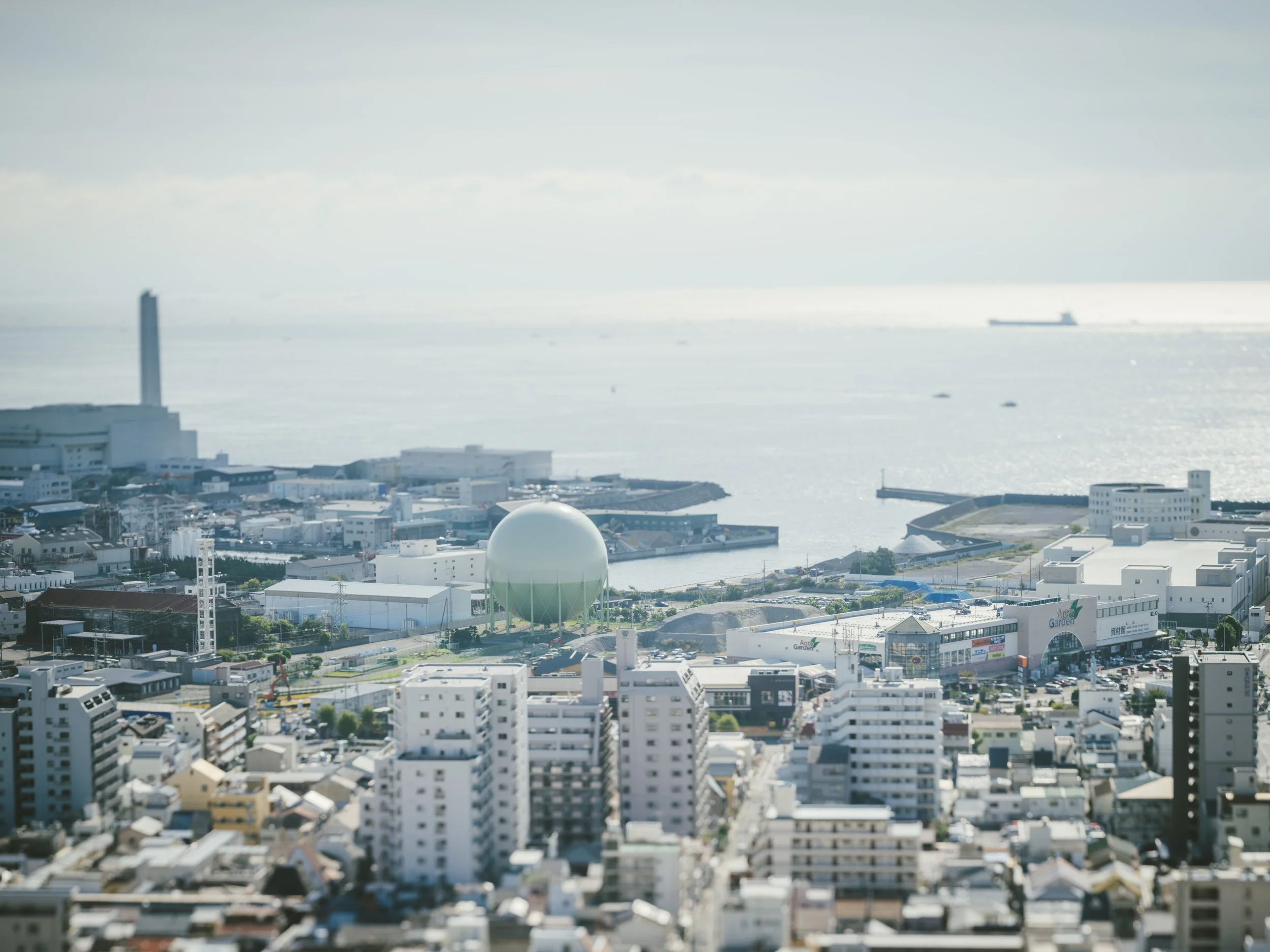
Situated between mountains and sea, Kobe developed as one of Japan’s earliest international ports and has long been shaped by migration, commerce, and cultural exchange. Throughout its history, Kobe has repeatedly experienced profound disruption, from the 1938 flood and the destruction of the Second World War to the 1995 Great Hanshin-Awaji Earthquake. These events fundamentally transformed not only the city’s physical landscape but also its civic culture.
山と海に挟まれた神戸は、日本有数の国際港として発展し、長きにわたり移住、商業、そして文化交流を通じてその姿を形作ってきました。その歴史の中で、神戸は1938年の水害や第二次世界大戦による壊滅的被害、さらには1995年の阪神・淡路大震災に至るまで、幾度となく甚大な困難に見舞われてきました。こうした出来事は、都市の物理的な景観のみならず、市民文化をも根本から変容させたのです
Why Kobe?
Kobe offers a powerful lens as a city where Japan’s demographic transition meets a long history of exchange, resilience, and everyday civic life.
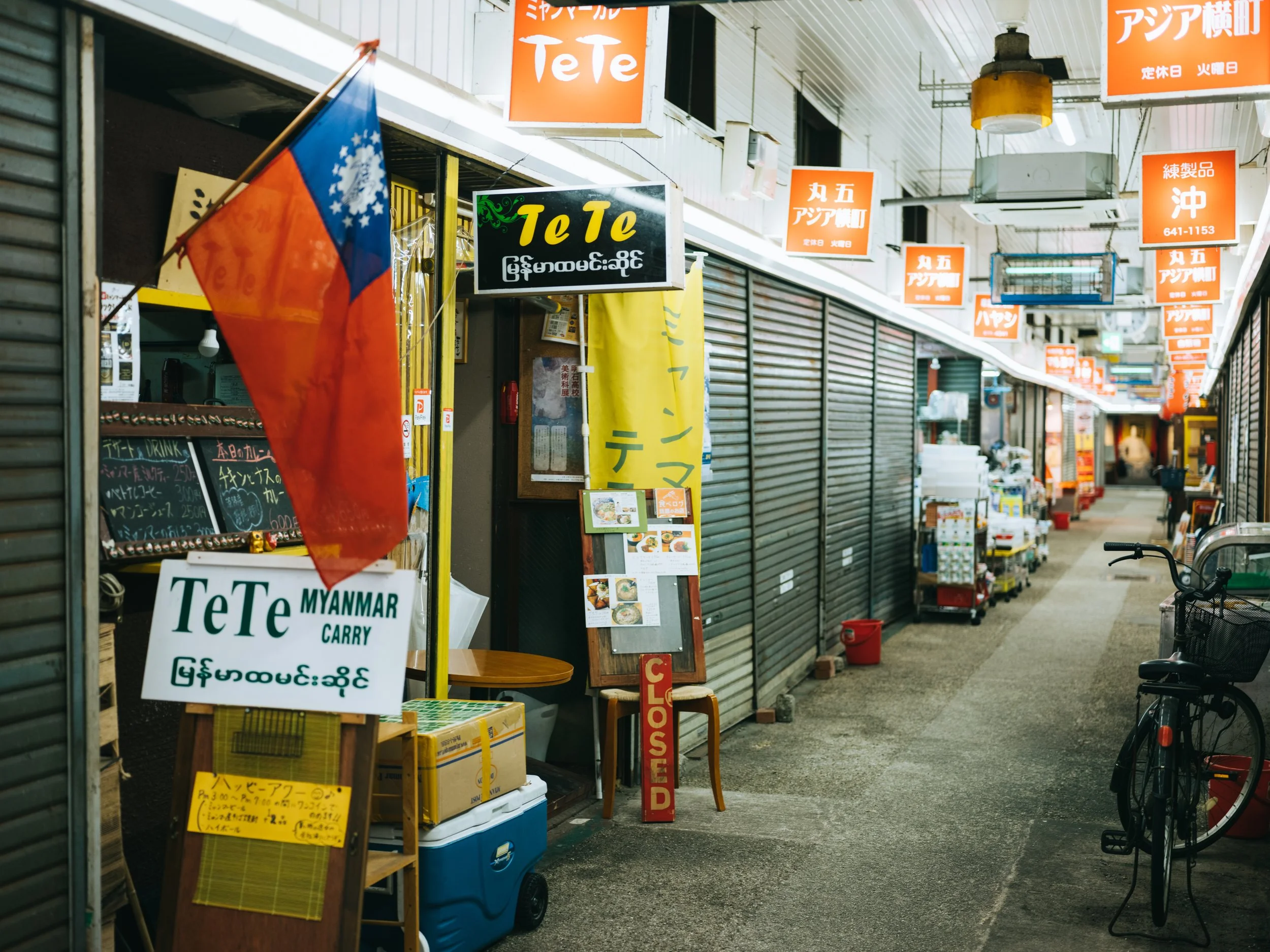
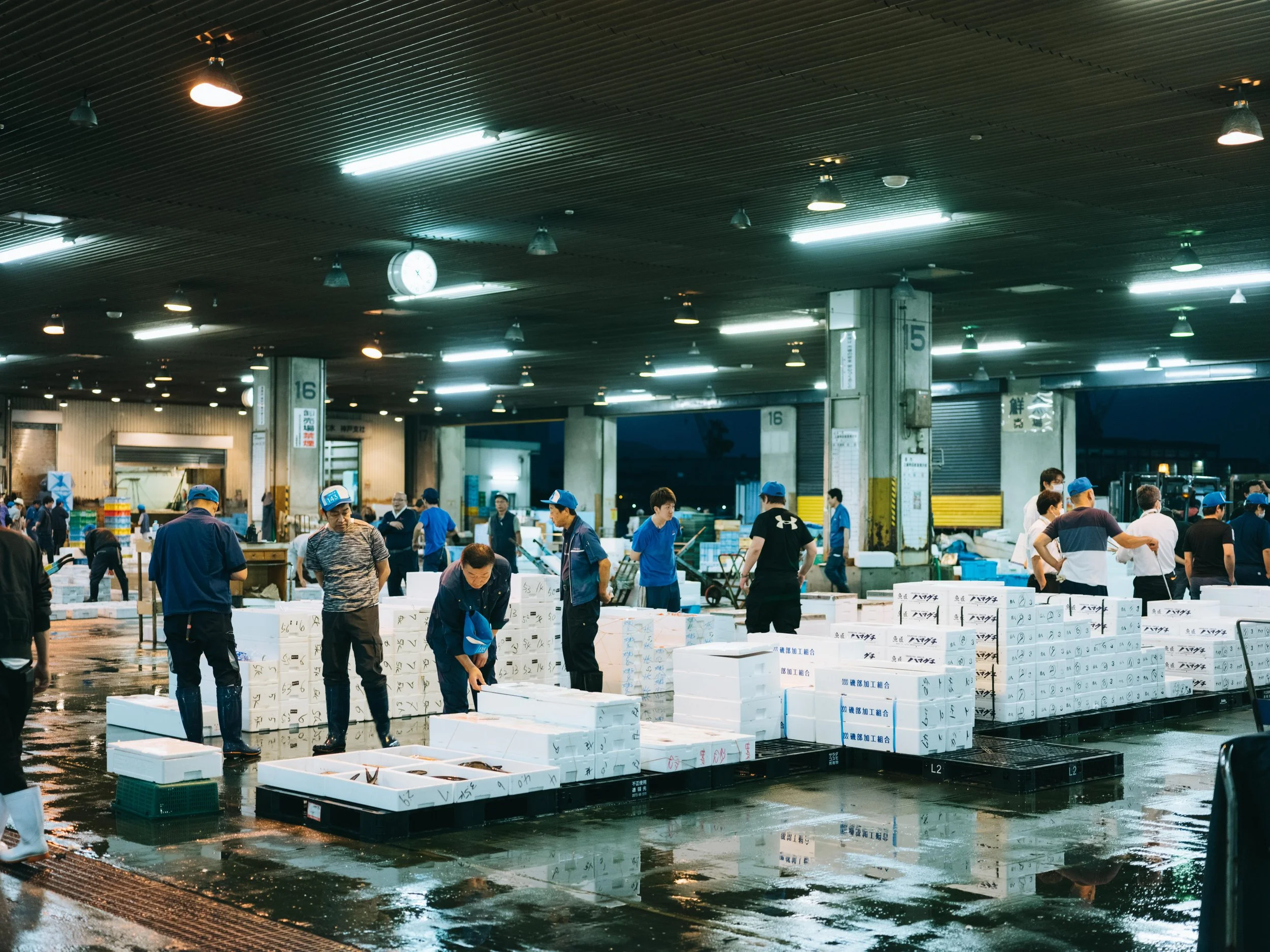
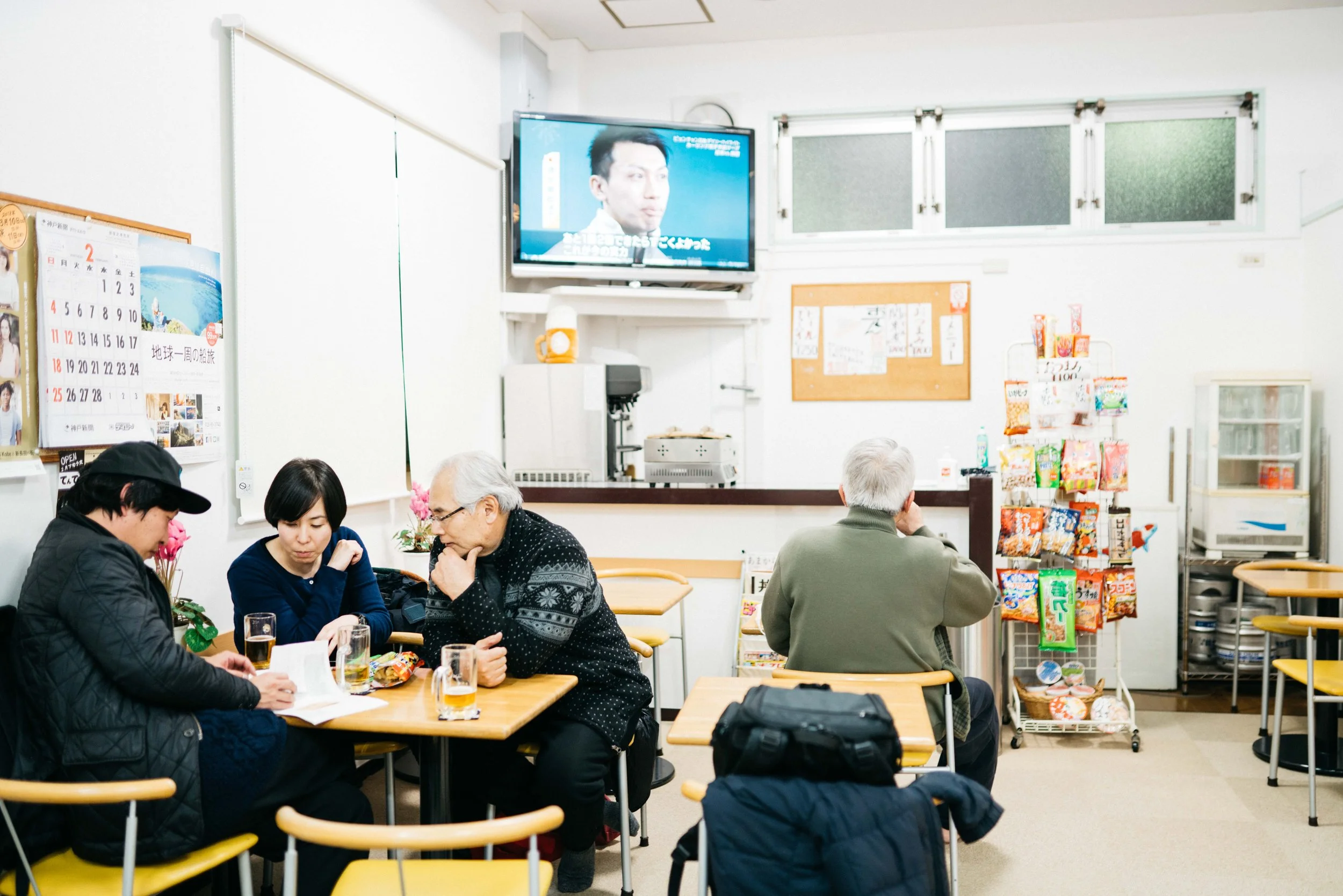
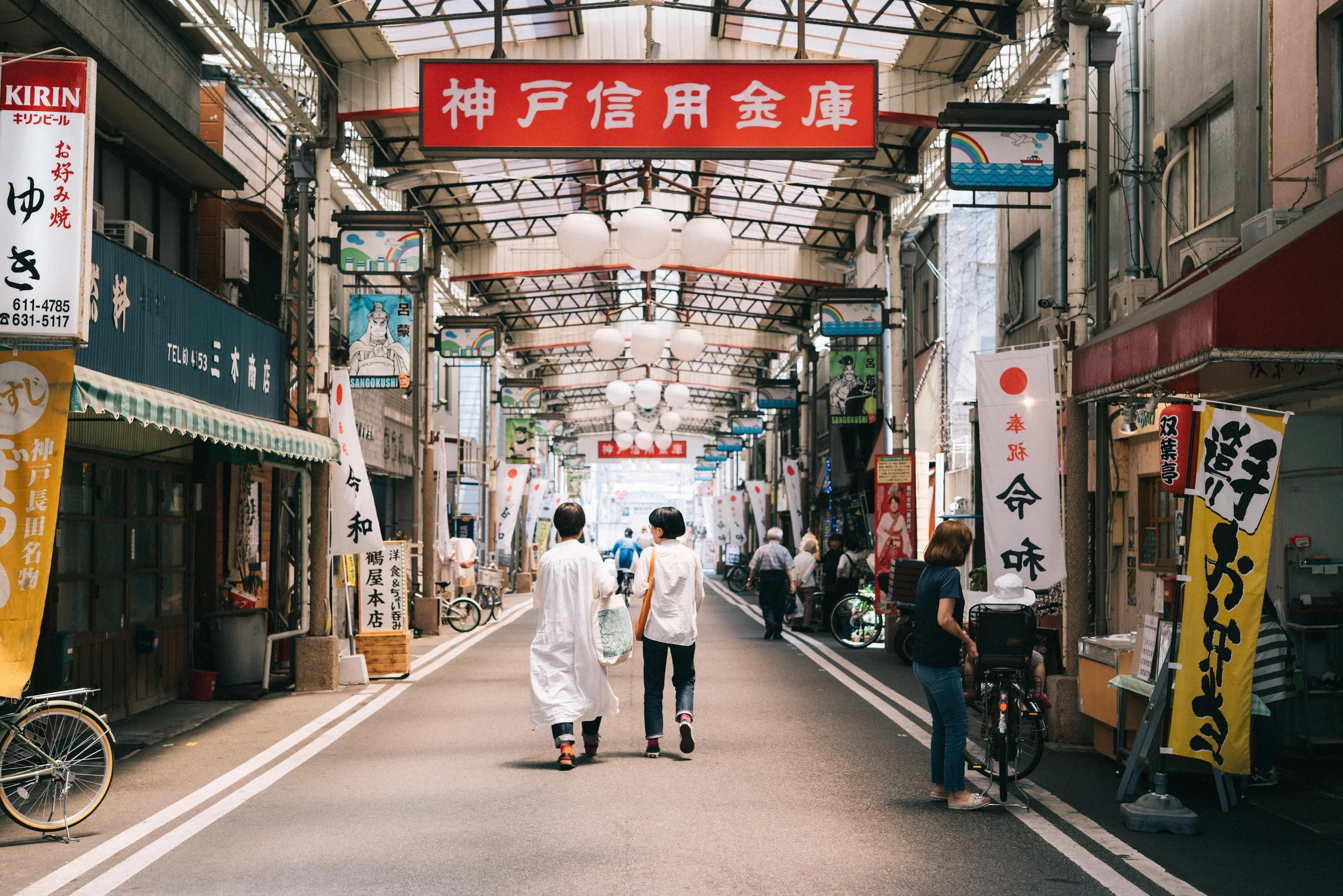
Here, awe may emerge through ordinary yet deeply meaningful experiences: the relationship between mountain and sea, memories of collective recovery, neighbourhood markets, religious festivals, multicultural communities, local craftsmanship, music, sport, and everyday acts of generosity. And rather than simply applying definitions and categories of awe that have largely been developed in Europe and North America, our research aims to deepen how it is understood and studied through the concrete experiences of people living in Japan.
神戸は、日本の人口動態の変化と、交流・回復力(レジリエンス)・市民の日常的な営みという長い歴史とが交差する都市として、「畏敬の念(awe)」を考察する上で極めて示唆に富む場です。 この地では、山と海との関わり、共に歩んだ復興の記憶、地域の市場、宗教的な祭り、多文化的なコミュニティ、地元の職人技、音楽やスポーツ、そして日常の中のささやかな善意といった、ありふれていながらも深い意味を持つ体験を通じて、畏敬の念が呼び起こされることがあります。私たちの研究は、欧米を中心に構築されてきた畏敬の念に関する定義や分類を単に当てはめるのではなく、日本で暮らす人々の具体的な体験に即して、その理解と探求を深めることを目指しています
Local partners

Re:public, inc. was founded in 2013 as a think and do tank to help individuals, institutions, and cities towards change.
While the society and the economy seem uncertain and complex, we are at the same time witnessing creative, inspiring, and innovative solutions emerging from citizens and communities from all parts of the world.
Using our knowledge and experience in the field of ethnography, computer science, architecture, media, and design, we at Re:public are today in a privileged and an exciting position, working together with so many inspiring people and cities to think about futures and to create one
Latest articles
Join our research in Kobe
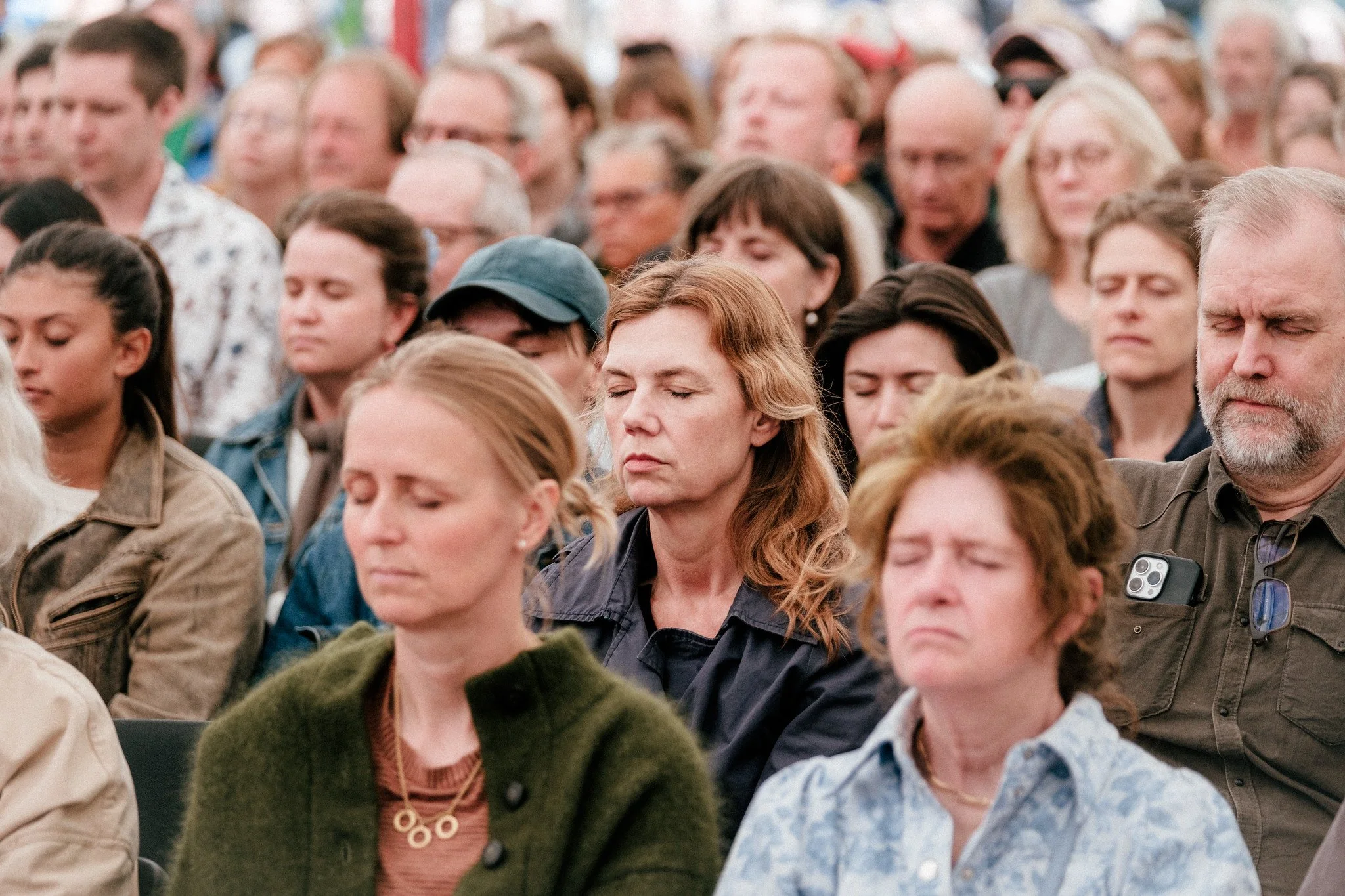
What we want to understand through this research is what the context of the environment was when a person felt awe, what kinds of public life experiences people have in their everyday lives, and how interconnected awe and public life are.
When did you experience awe? Where were you? Were you with anyone? What did you see, feel or hear? What emotions did it catalyze in you? Did anything look or feel different before and after the experience?
Small stories such as "I will never forget what this person did during the earthquake" are also important research material for us.
We would first like to speak with people who know their communities well, introduce our research questions, and think together about who we should talk to, which places we should visit, and what experiences or events we should be careful not to overlook.
From there, we may ask whether you would be willing to share your own story, introduce us to other people in the community, or, in some cases, help record everyday life in the city through your own documentation with photographs and video.
We are not asking everyone to do all of these things. We hope to find a way of working together that is comfortable and appropriate to each person's interests and relationship with the community.
この研究を通じて私たちが理解したいのは、人が「畏敬の念(アウ/Awe)」を感じたときの環境の文脈、人々が日常生活の中でどのようなパブリックライフ(公共生活)の経験をしているのか、そして、畏敬の念とパブリックライフがどのように結びついているのかということです。
あなたが畏敬の念を感じたのはいつですか? そのとき、どこにいましたか? 誰かと一緒でしたか? 何を見、何を感じ、あるいは何を耳にしましたか? それによって、あなたの中にどのような感情が沸き起こりましたか? その経験の前後で、何か見え方や感じ方に変化はありましたか?
「震災のときにあの人がしてくれたことを、私は決して忘れない」といった小さな物語も、私たちにとっては重要な研究資料です。
私たちはまず、地域社会(コミュニティ)のことをよく知る方々とお話しし、私たちの研究課題をご紹介した上で、どのような人に話を聞くべきか、どの場所を訪れるべきか、そして、どのような経験や出来事を見落とさないように注意すべきかを一緒に考えたいと思っています。
その上で、ご自身のストーリーを共有していただけないか、コミュニティの他の方々を紹介していただけないか、あるいは場合によっては、写真や動画によるご自身の記録を通じて、都市の日常生活を記録するお手伝いをしていただけないか、とお願いするかもしれません。
すべての方にこれらすべてをお願いするわけではありません。お一人おひとりの関心や、地域社会との関わり方に合わせて、心地よく、かつ適切