
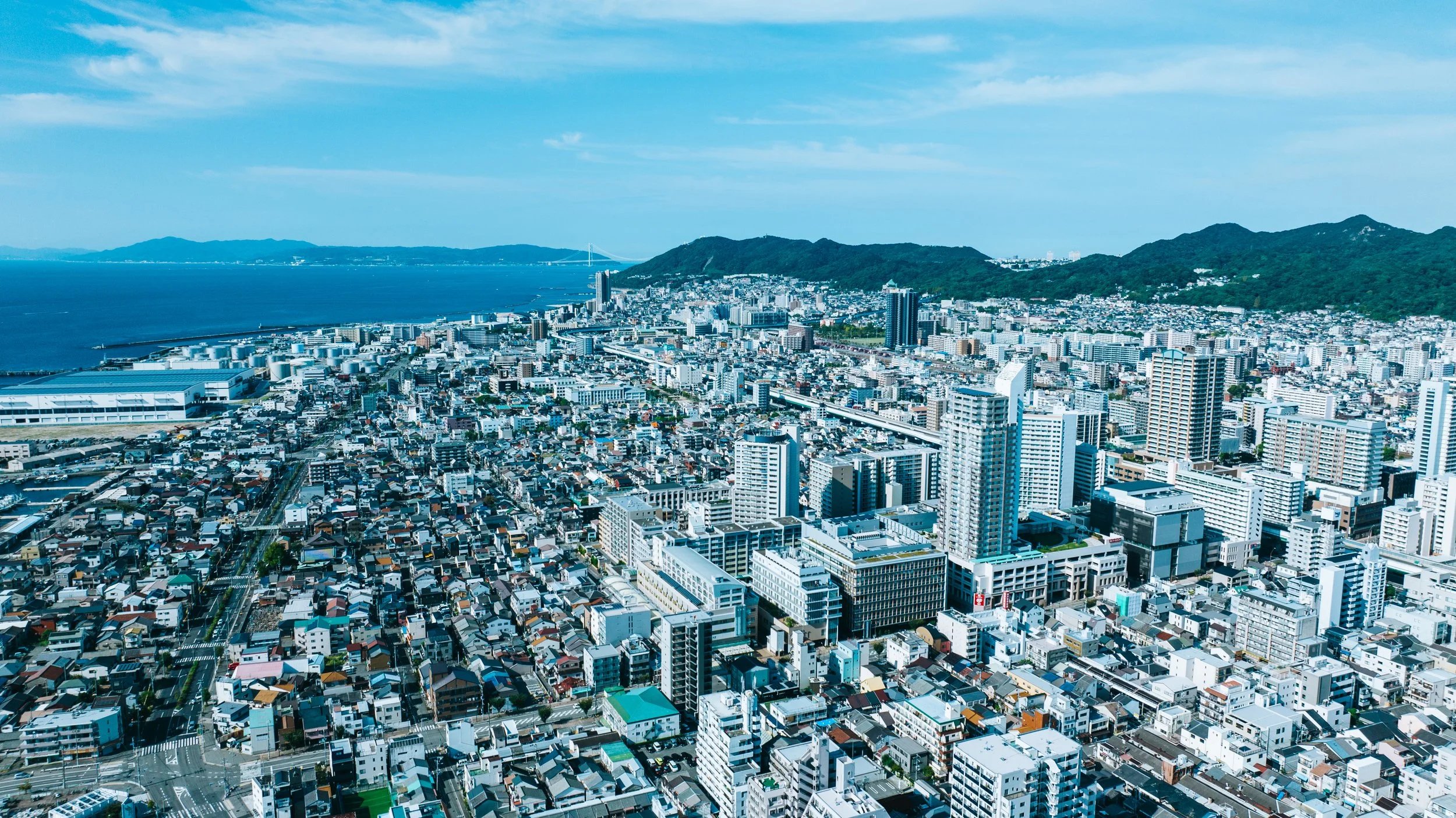
Kobe
神戸で、人とまちの関係を見つめる
Exploring Cities of Awe in Kobe
01 — ABOUT THE RESEARCH
いつもの場所が違って見えたことはありますか?
私たちは、神戸で暮らす人びとの「心が動いた経験」を手がかりに、人と場所、人と人との関係を見つめる研究を進めています。
誰かに助けられた記憶。祭りや市場で感じた一体感。美しい自然やアート、何気ない日常の中で言葉を失う瞬間や、言葉にならない感覚。そうした一人ひとりの経験を聞き、その経験が生まれた場所や日常の風景を一緒にたどります。
Have you ever seen a familiar place in a new light?
We explore how people relate to places and to one another, drawing on experiences that have moved people living in Kobe. Memories of someone lending a hand. A sense of togetherness at a festival or market. Moments that leave us speechless, or feelings we cannot put into words, whether in encounters with beautiful natural surroundings or art, or in the midst of everyday life.
We listen as people share their experiences and explore with them the places and everyday settings where those moments unfolded.
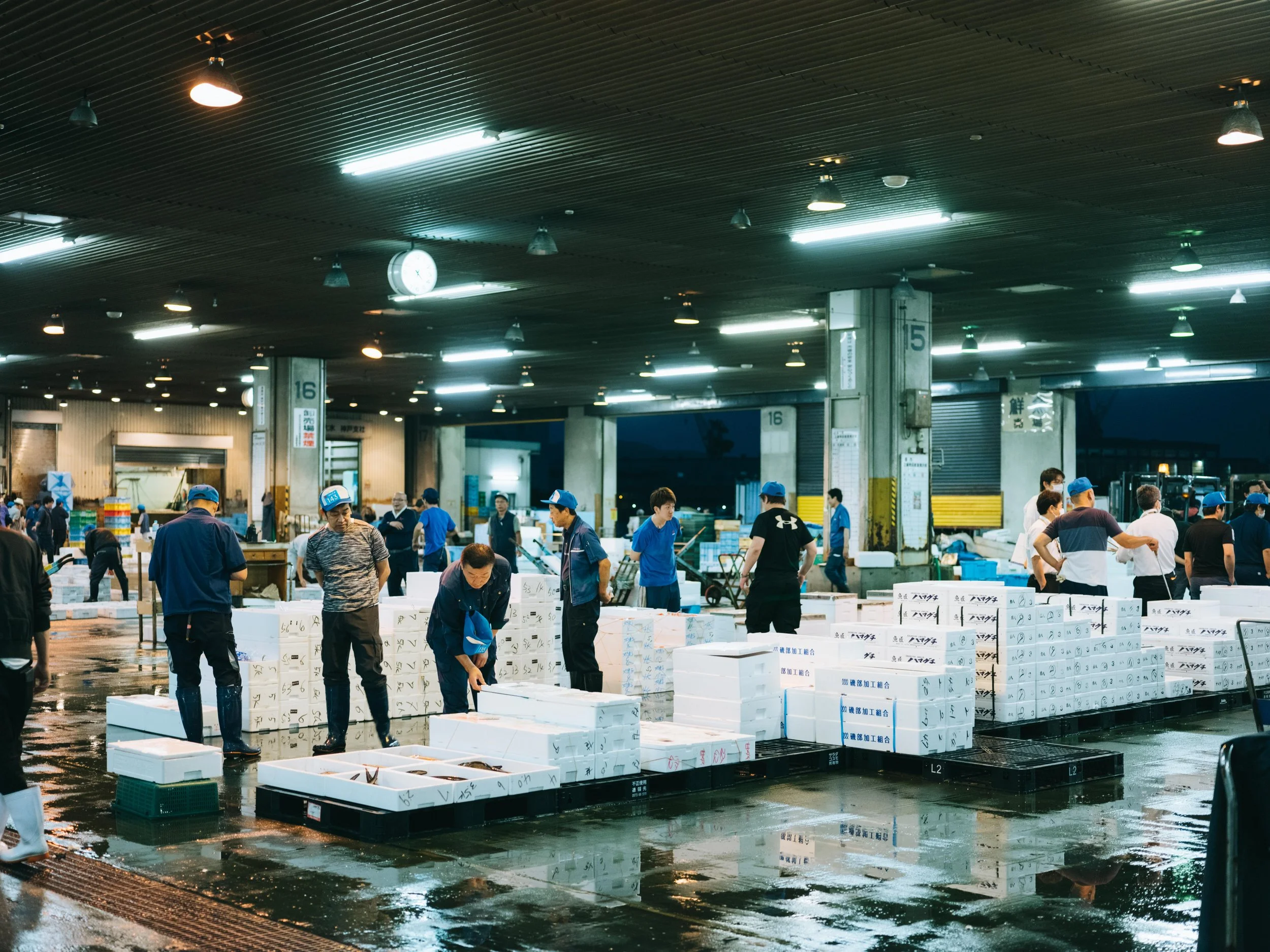
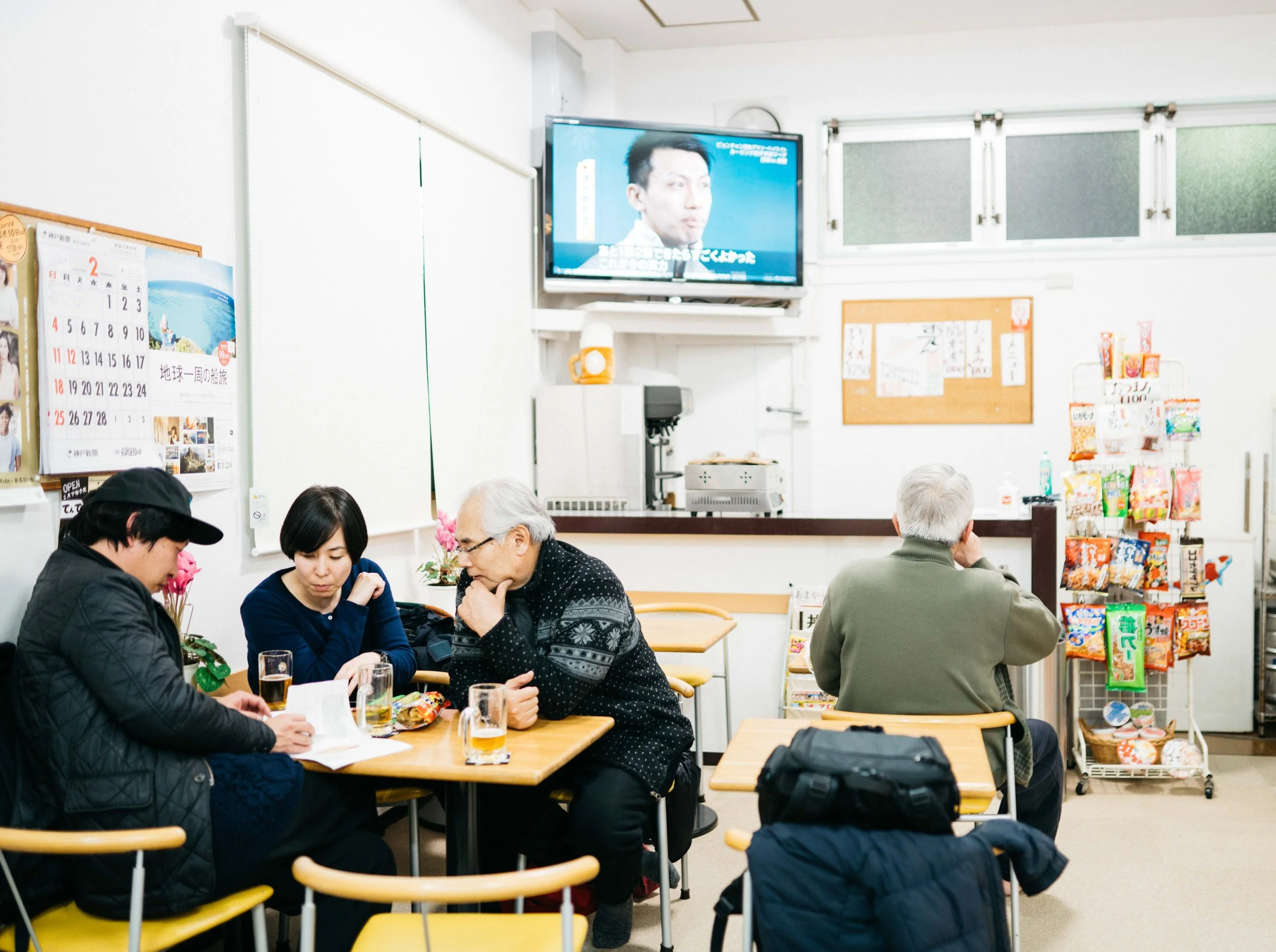
Exploring through Kobe, a city shaped by encounters and ongoing change.
Kobe has been shaped by the movement of people and the exchange of cultures. Amid disaster recovery and demographic change, diverse ways of life and relationships have developed in the city. In this research, we look closely at everyday activities: how people spend time in the city, meet, and interact. We explore the experiences that move them and how those experiences relate to their connections with places and other people.
Sometimes we encounter something that goes beyond our familiar ways of understanding or experiencing the world, unsettling how we see things. In this research, we call these experiences awe. Awe can arise not only in encounters with magnificent natural landscapes or works of art, but also in everyday life: in the color of the sky, the changing seasons, someone’s actions, memories held within a community, or people helping one another.
02 — CONTEXT
異なる文化と人が出会い、変化を重ねてきた神戸から考える。
人や文化の往来によって形づくられてきた神戸は、災害からの復興や人口構成の変化のなかで、さまざまな暮らしや人との関係を育んできました。
この研究では、日々の活動に目を向け、神戸の人びとがまちでどのように過ごし、出会い、関わるのかを捉えながら、そのなかで心が動く経験と、それが場所や人との関係にどうつながるのかを考えます。
自分の理解や感覚の枠に収まりきらない何かに出会い、これまでの見方が揺らぐ。この研究で私たちは、そうした経験を「Awe」と呼んでいます。
Awe は、壮大な自然や芸術作品との出会いだけにあるものではありません。空の色、季節の変化、誰かのふるまい、地域に残る記憶、人びとの助け合いなど、日々の暮らしのなかにも現れます。
神戸には、どのような心が動く経験があり、それは人とまちの関係にどう関わっているのでしょうか?
What kinds of experiences move people in Kobe, and how are these experiences connected to people’s relationships with the city?
03 — RESEARCH METHODS
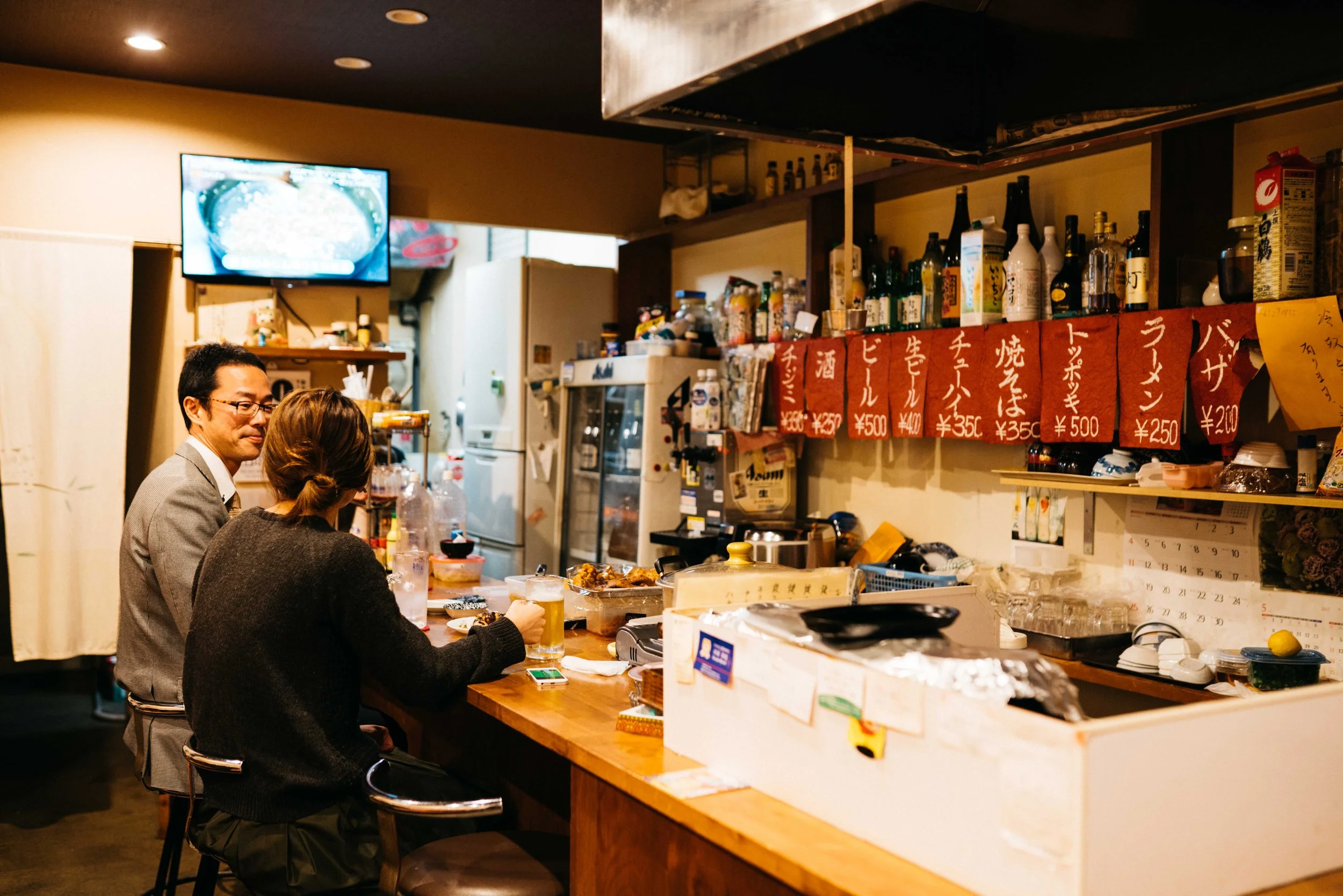
場所をたどる。経験を聞く。日常を記録する。
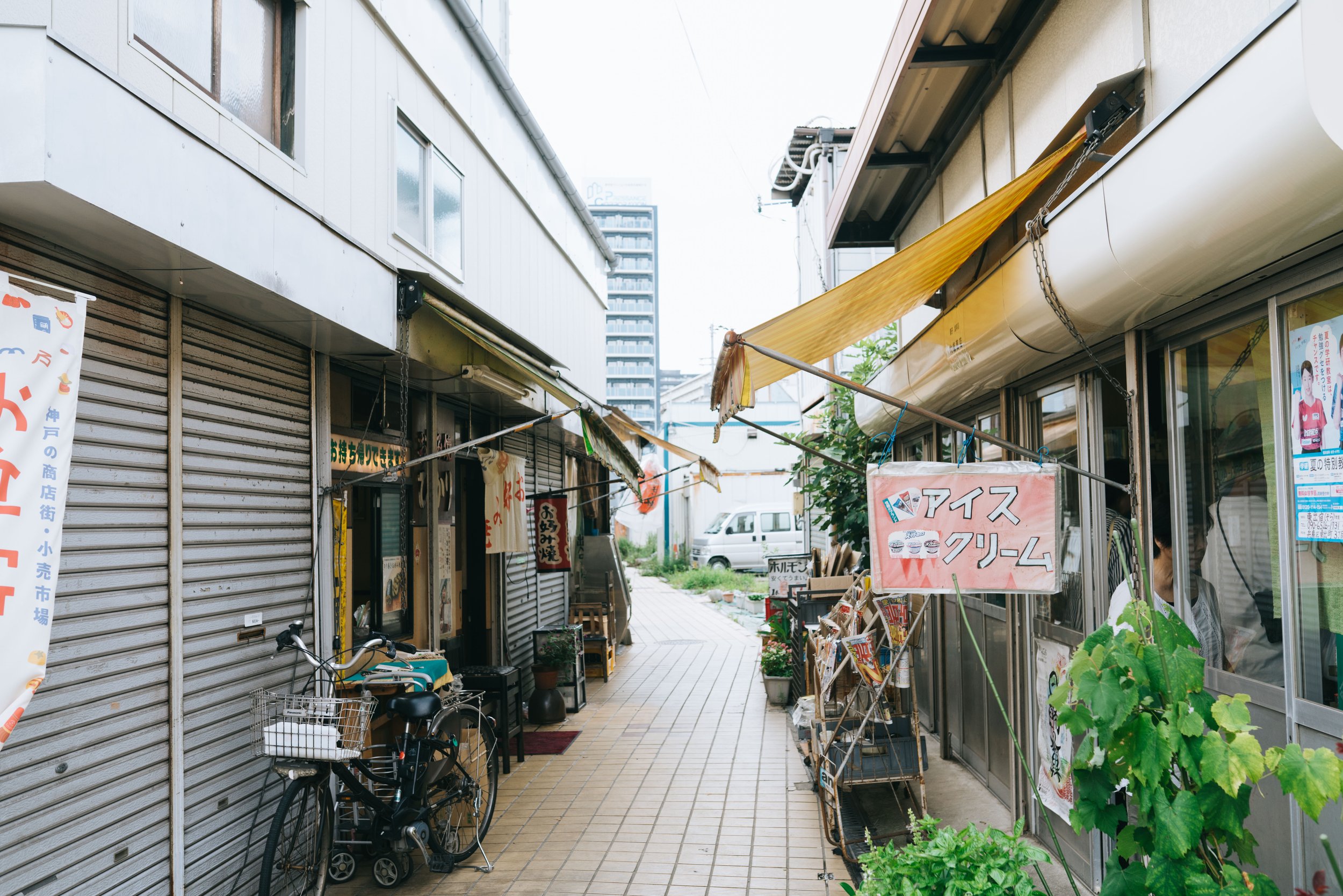
Aweの経験は、神戸のまちでどのように人びとのなかに生まれるのでしょうか。その手がかりをつかむために、この研究では3つの方法で調査します。
アンケートは神戸全域で、インタビューと日々の記録は新長田・塩屋・ポートアイランドを中心に進めます。
Tracing places, listening to experiences, and documenting everyday life.
How do people come to experience awe in Kobe? To explore this question we use three research methods (below).
The mapping survey will cover Kobe as a whole, while interviews and everyday documentation will focus mainly on Shin-Nagata, Shioya, and Port Island.
インタビュー
一人ひとりの経験を聞く。
Listening to people share their experiences.
#Storytelling.
日々の記録
いつもの風景を記録する。
Documenting familiar scenes through photographs and video.
#FieldGuide.
アンケート
心が動いた場所を記録する。
Mapping places where something moved you.
#AweMapping.
アンケートは神戸全域で、インタビューと日々の記録は新長田・塩屋・ポートアイランドを中心に進めます。
The mapping survey will cover Kobe as a whole, while interviews and everyday documentation will focus mainly on Shin-Nagata, Shioya, and Port Island.

04 — PARTNERS
Anchor research partner
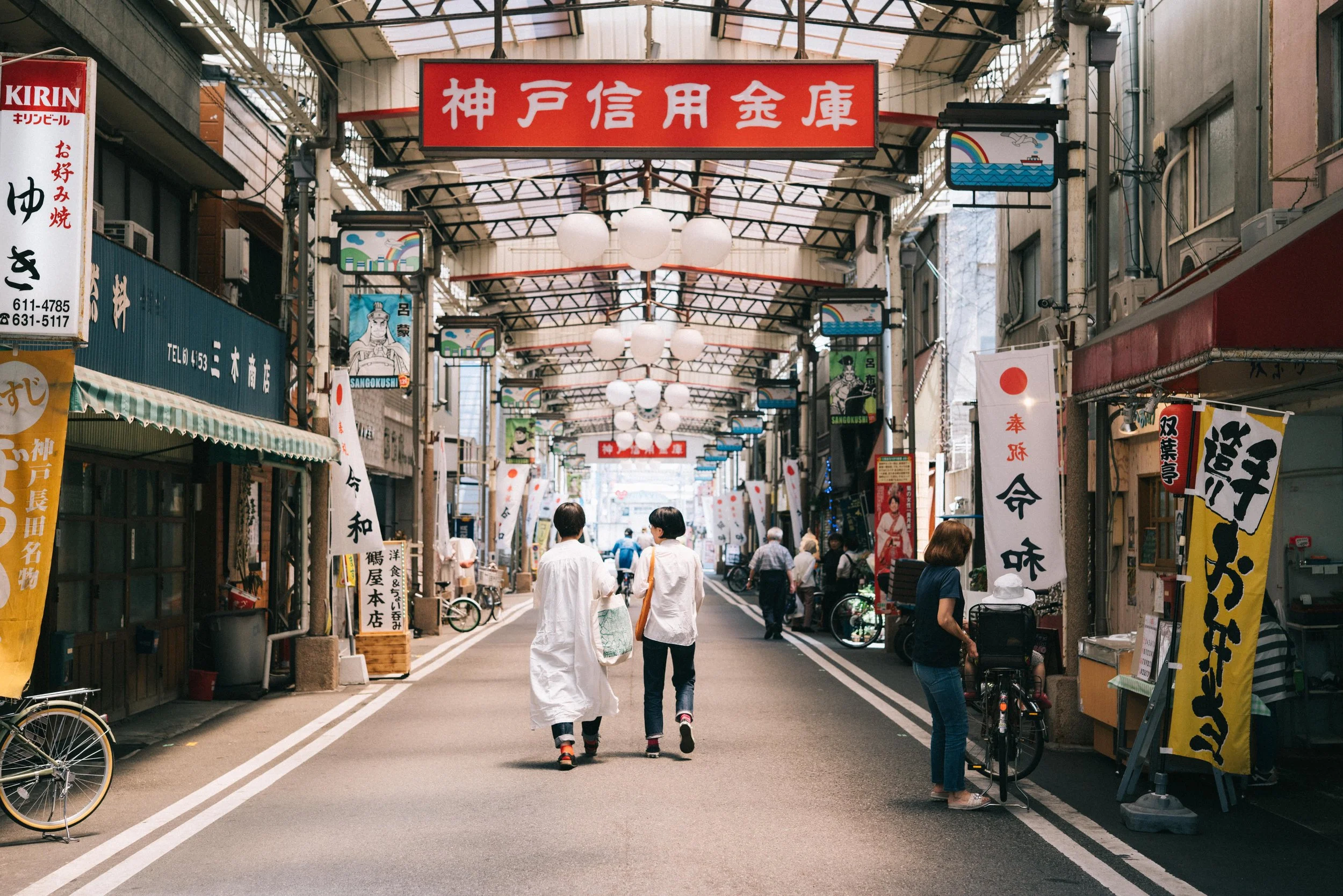
日本側のリサーチパートナーとして、神戸のコラボレーターと協力しながら各調査を進め、Gehlとの協働を担います。
Re:public works with local collaborators in Kobe to carry out the research and coordinate the collaboration with Gehl.
Local collaborators
新長田を中心とした調査協力および記録・コミュニケーション支援
Shin-Nagata / Interviews / Photo & video / Communication Support
DOR
Urban Design Center Port Island City
ポートアイランドを中心とした調査協力
Port Island / Interviews
シオヤプロジェクト
塩屋を中心とした調査協力
Shioya Project, Shioya / Interviews
下町暮らし研究所
新長田を中心とした調査協力
Shitamachi Living Lab, Shin-Nagata / Interviews
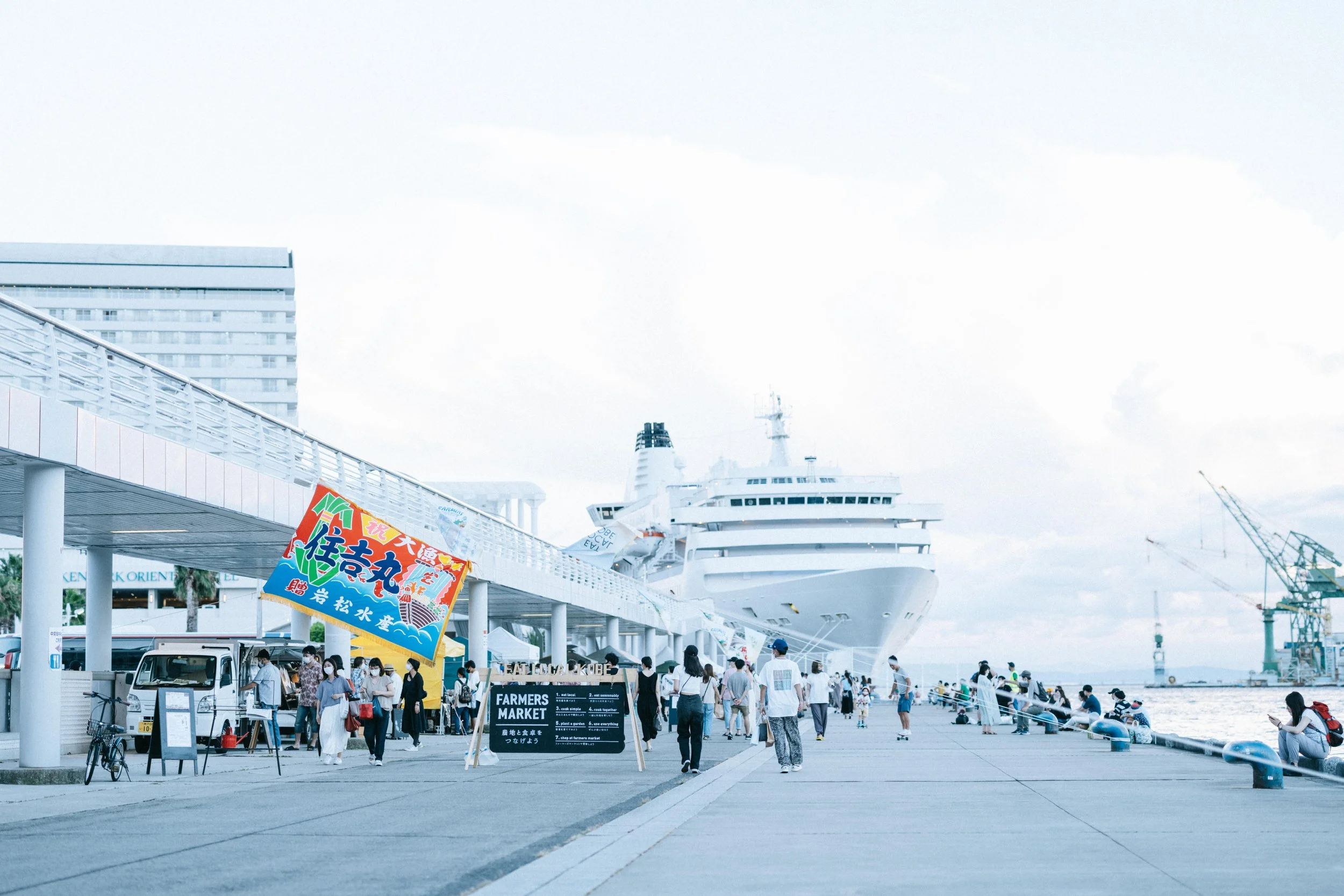
心に残っている場所や出来事はありますか。そこで、誰と何をして、何を見て、聞いて、感じましたか。小さな記憶や物語も、この研究の大切な手がかりです。
経験を話す、誰かを紹介する、日常を写真や映像で記録するなど、関わり方はさまざまです。まずは、自分のAweの経験を地図に記録することから参加できます。
05 — JOIN OUR RESEARCH
Is there a place or moment that stays with you? Who were you with, what were you doing, and what did you see, hear, or feel? Small memories and stories can also offer important clues for this research.
There are many ways to take part: sharing an experience, introducing someone, or documenting everyday life through photos and video. You can start by mapping your own experience of Awe.