
Discovering Awe in Copenhagen
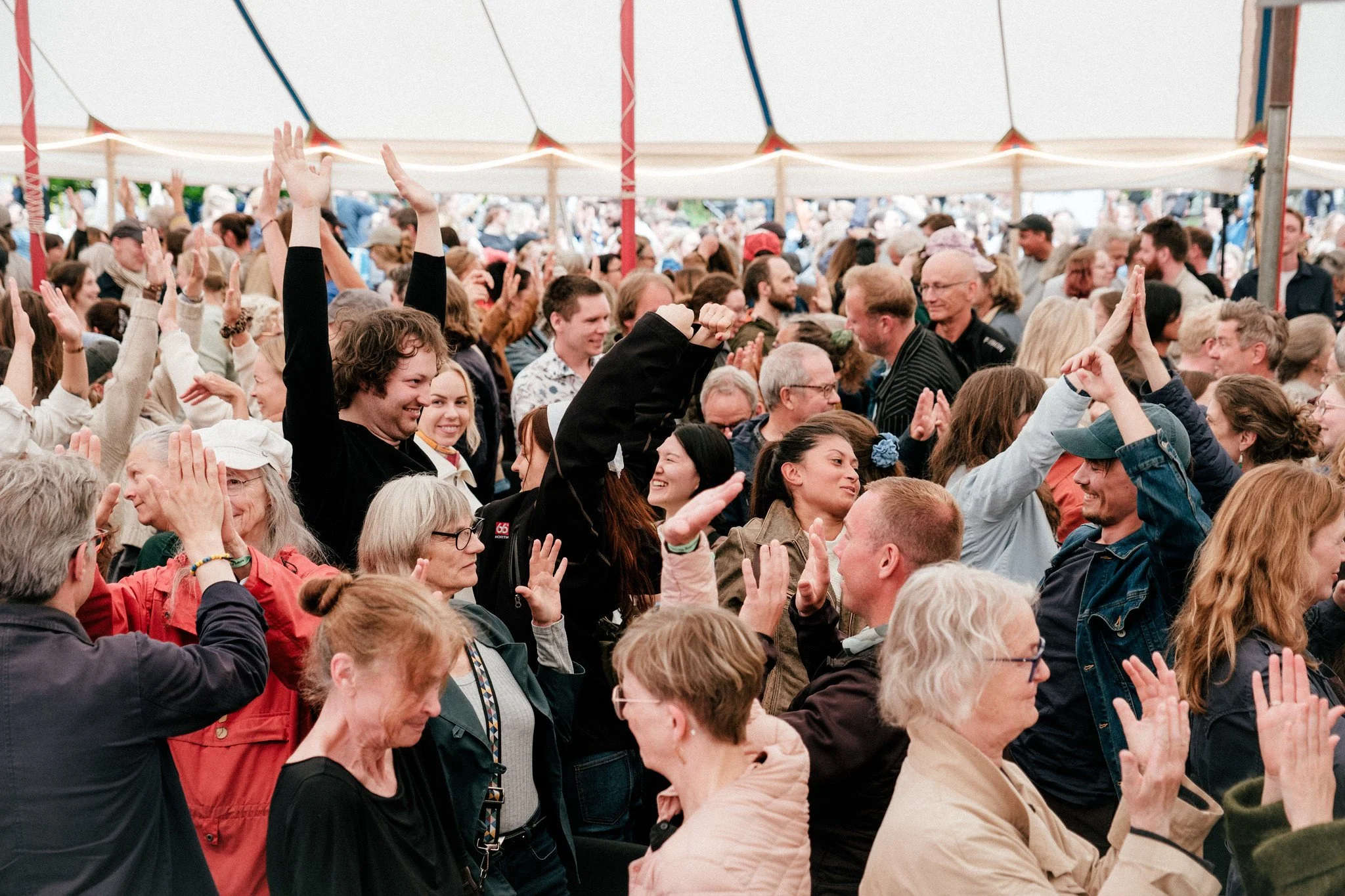
People at Bloom Festival mirroring each other as a part of an interactive exercise during Dacher Keltner’s talk. Photo: Malthe Ivarsson
Spring in Copenhagen has a palpable energy, visible not only in the blooming flowers but also in the city’s public spaces. People emerge from winter hibernation and find hygge outdoors, in streets, parks, and cafés. We decided to leave the office for a few days and join the dreamy Bloom festival to discover where Copenhageners experience awe in their city. Is it in a meaningful encounter with nature, a bike ride alongside fellow commuters, or a seasonal shift that makes us stop and pay attention?
As a team we are exploring how everyday moments of wonder can help make cities more connected, resilient and thriving. Our work is at the intersection of research, experiments, and conversations with people so Bloom Festival felt like the right place to bring those questions into the world. Festivals are usually fertile ground for connection, bringing together strangers with different lived experiences to share ideas, find meaning, and experience joy.
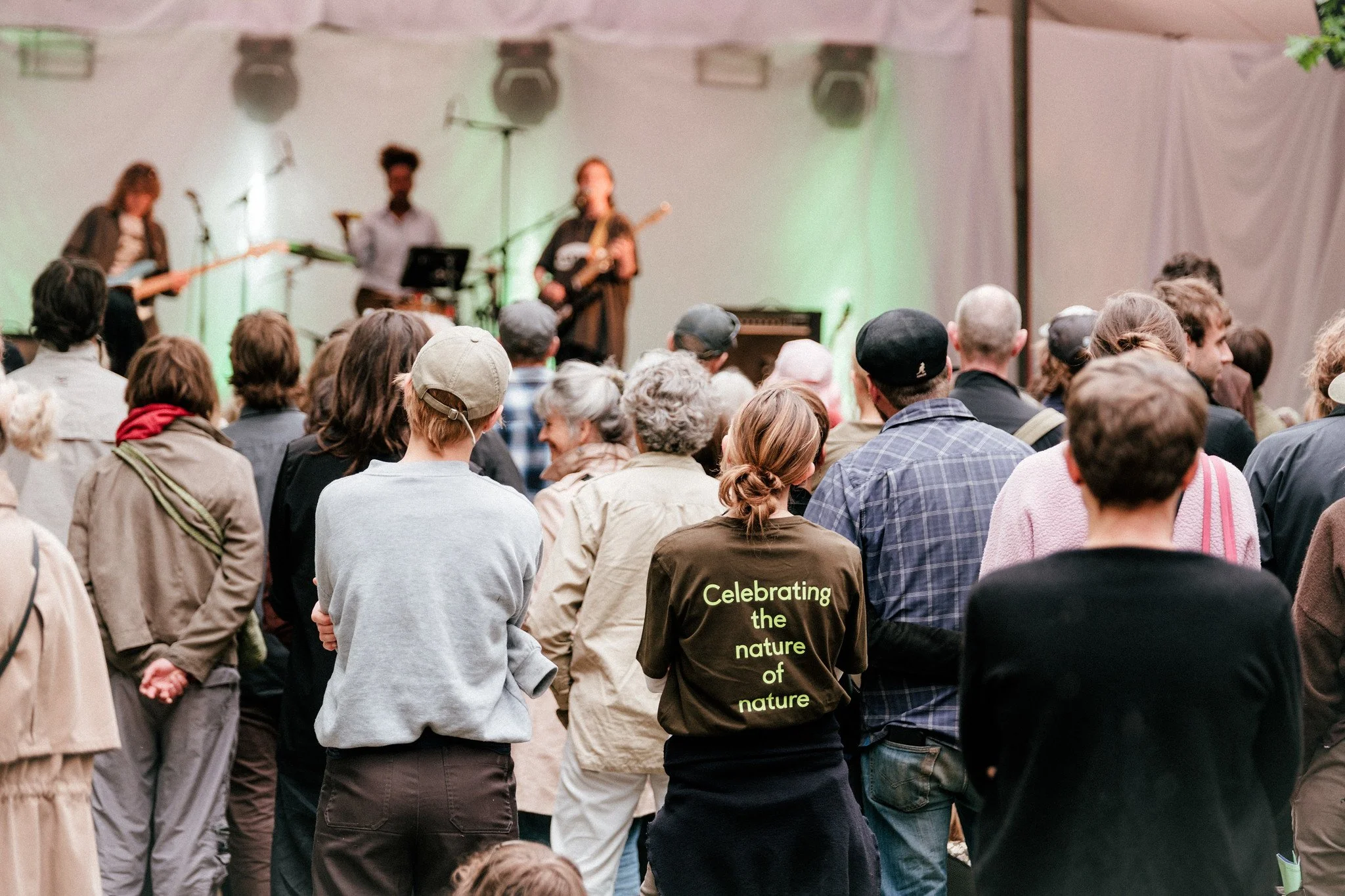
Photo: Malthe Ivarsson
Cities of Awe & Bloom
Bloom Festival is Copenhagen's annual celebration of nature and science held in Søndermarken, one of the most prominent green spaces in the city. And few festivals bring wonder into Copenhagen as directly or as generously as Bloom. It is free and open to everyone, drawing people of all ages around big ideas, science, nature, and music. In doing so, it combines many sources of awe in one place.
The festival offered us a chance to bring the Lab's exploration of awe and urban life into a public setting. We invited everyone to reflect on a simple question: where and how do you experience awe in Copenhagen? Through conversations and walks in the park with attendees, we learned how a sense of awe is cultivated in ways that a survey alone cannot.
A masterclass on the science of awe
The day began with "Awe: The Science of Wonder," a talk by leading awe researcher Dacher Keltner on the main stage. Keltner introduced the Bloom audience to the science of emotions. Drawing on more than two decades of research into what he calls "the good life," his message was simple: find awe in the everyday. He emphasised that awe, unlike ordinary happiness, expands us. It quiets self-focus, widens curiosity, and opens us up to people and ideas we might otherwise overlook.
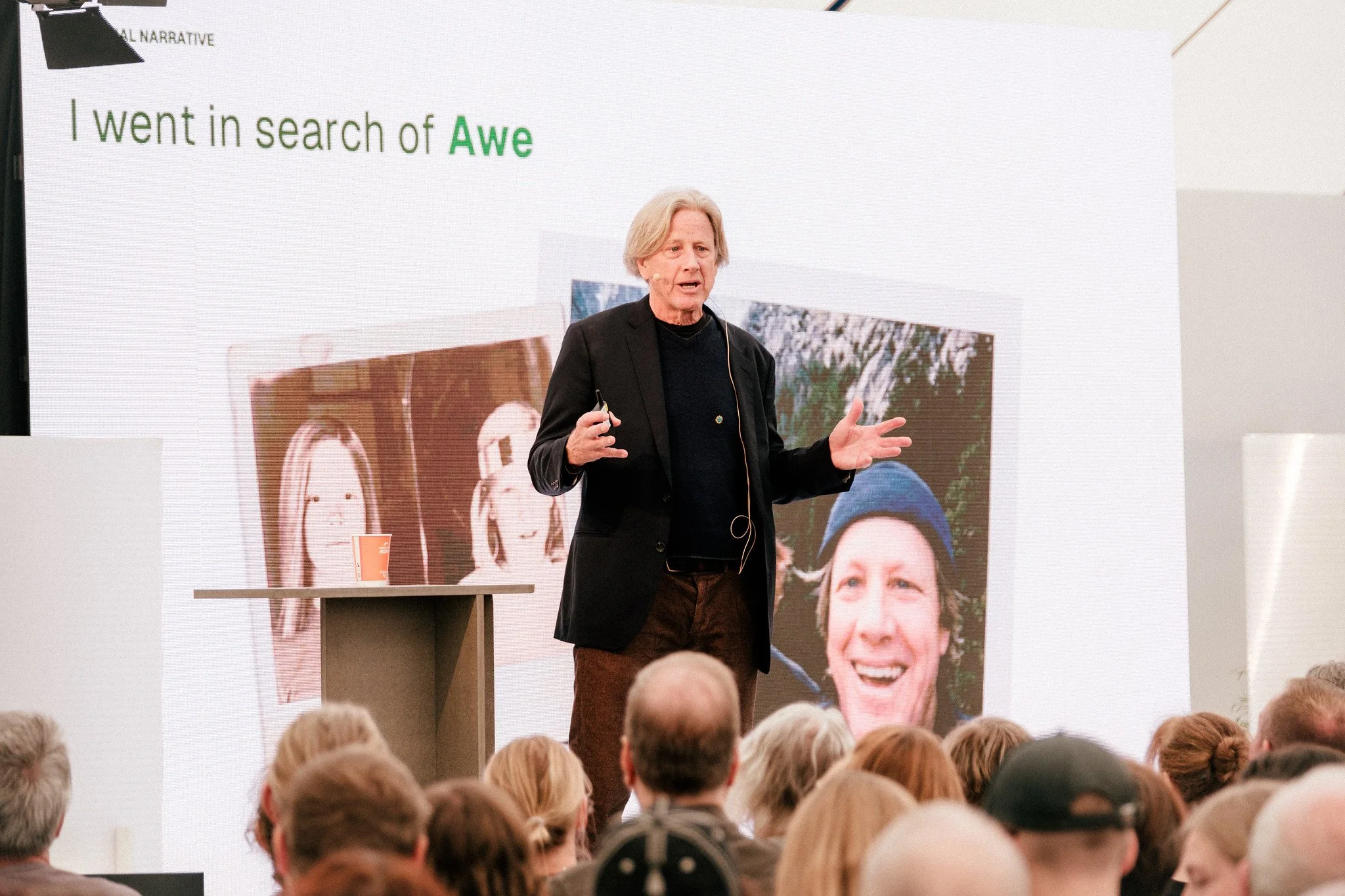
Photo: Malthe Ivarsson
He traced the philosophical roots of awe, reflecting on how Plato and Aristotle both saw wonder as the beginning of thought. He then brought it into everyday life with examples from Copenhagen: a shift in the seasonal light, the small kindness of a stranger’s recycling cans, or the collective effervescence of eating a meal at Absalon with another person you’ve never met before.
Keltner said he also believes that the city's closeness to nature and light, and the accessibility of its shared public spaces, are not accidental. They are the result of decades of intentional design choices.
An awe walk through an urban forest
Video footage by Charles Peebles. Edited by Albert Mørk.
Later, a group gathered for “Walking with Awe”, a guided walk that is a slow, intentional wandering; a practice that Dacher’s research shows can help us gain a more wonder-filled perspective of the world and the nature around us.
The instructions were simple: slow down, breathe, let your attention settle, and notice what is around you. The veins in a beech leaf. The sound of the city. The changing sky. In fast-paced urban lives, we rarely give ourselves the opportunity to do this. Along the way, walkers were asked to notice and name where awe appeared. People's attention gathered around water, light, and living things within the park.
"I felt awe watching people walk through doorways of light, where the trees and bushes were literally glowing with 8 p.m. sunlight."
What we noticed
We asked festival-goers where they experienced awe in Copenhagen, and whether Bloom itself had created a sense of wonder. Peace, gratitude, contentment, interest, and curiosity came up most often. Many people said they felt calmer at Bloom, pointing to the natural surroundings as an important reason why.
We also asked whether they had spoken to someone they didn't know during the festival. Those who had tended to describe richer experiences: more wonder, a stronger sense of being part of something bigger, and a greater connection to the people around them. Even a brief conversation with a stranger seemed to make a difference.
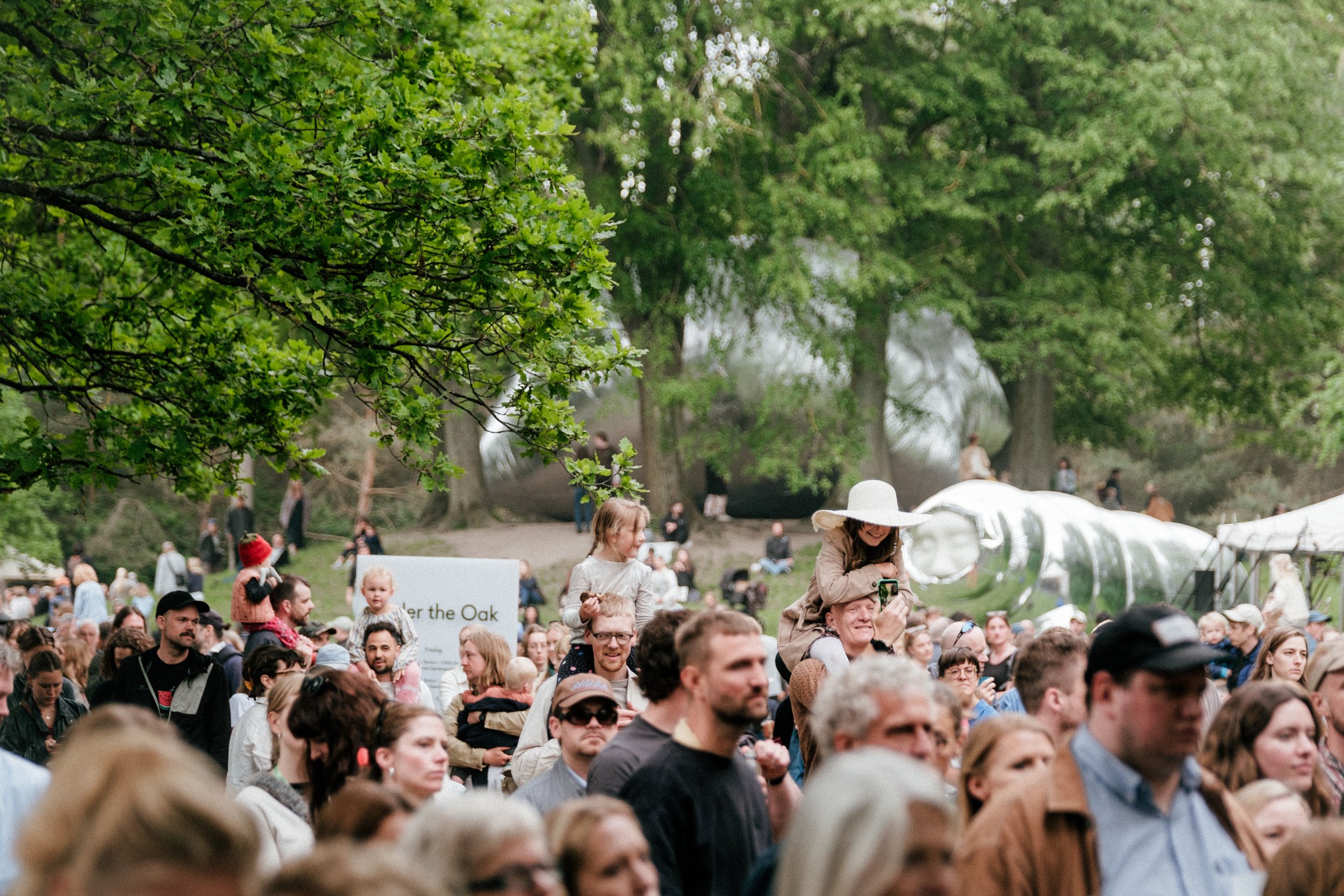
Photo: Malthe Ivarsson
Community before city
Participants shared that they felt more connected to their local community than to the city as a whole. It is a small pattern, but one that has been a part of Gehl’s research for decades: a sense of belonging often forms at the scale of the block and neighbourhood before it extends to the whole city.
"My moment of awe in Copenhagen was during the Black Lives Matter march in 2020, right after George Floyd's murder. We'd all been isolated by the pandemic, so coming together felt especially charged. As we moved through the streets, occupying the whole city instead of our usual separate lanes, I felt like I truly lived in Copenhagen for the first time. And as an American, I was moved that so many people, in a country with such a different history, would march for civil rights. I felt small in the best way: part of something large and alive."
Across the city
Alongside those who joined the awe walks, we asked 40 other festival-goers to mark a place in Copenhagen where they had experienced awe and tell us why. Their answers pointed in many directions: the lakes in the city centre, the harbour, cycling routes and bike paths, protests in Nørrebro, and cemeteries that blur the line between park and place of mourning.Seasonal light was very important, too. Several spoke about Copenhagen's dramatic shift from winter darkness to summer daylight as something that regularly stops them in their tracks.
"Cycling through Dronning Louises Bro by the lakes at night, when the neon lights are sparkling in the water, gives me goosebumps every single time."
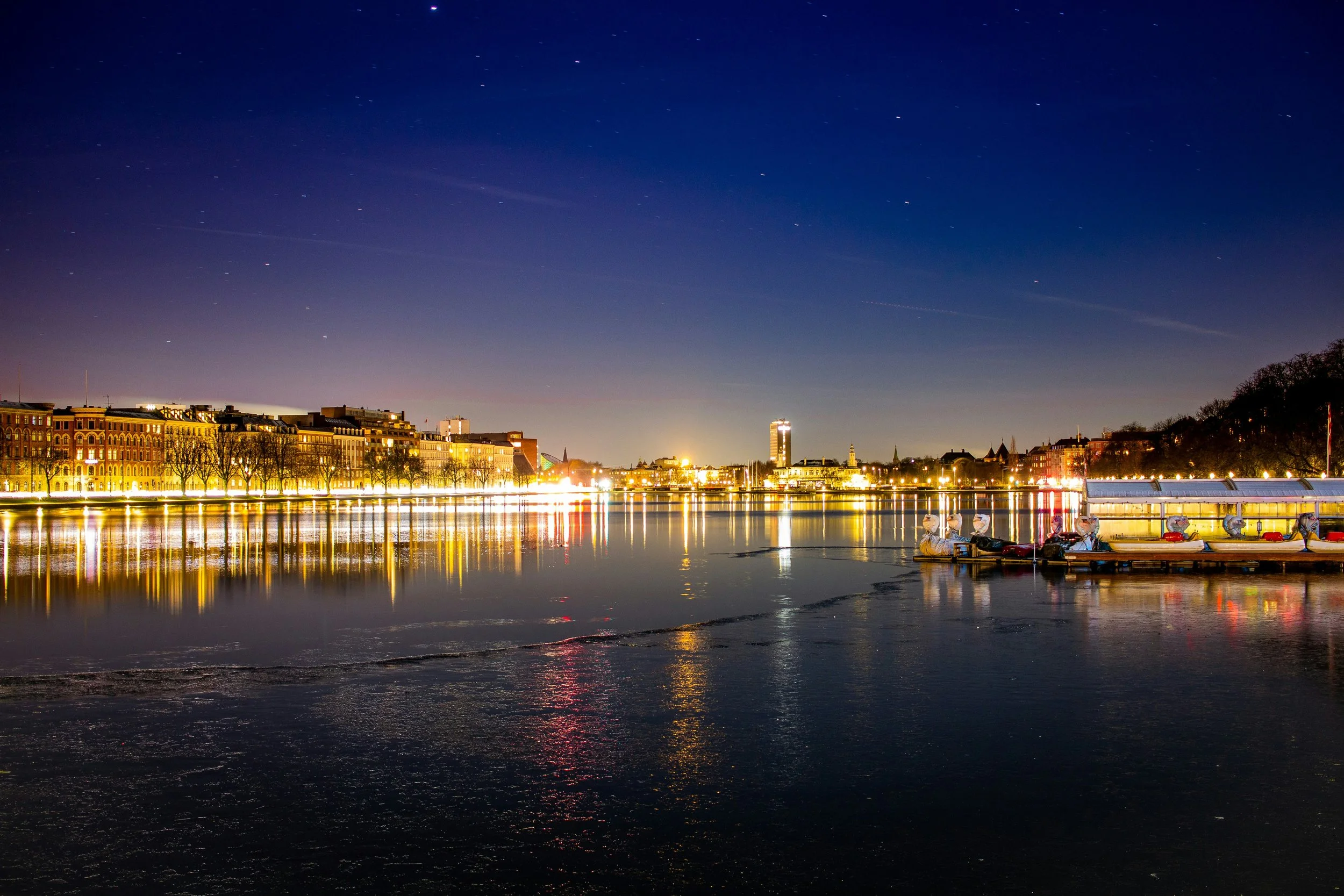
Photo by Daniel Welsh on Unsplash
What we're curious about next
The Bloom Festival offered a glimpse into how and where awe shows up in Copenhagen, and raised questions about the role that nature, other residents, and the city itself play in creating moments of wonder and connection. There is much more to learn. As Cities of Awe Lab continues its work in Copenhagen, we want to listen, observe, and learn from those differences, building a richer picture of what awe can mean for urban life.
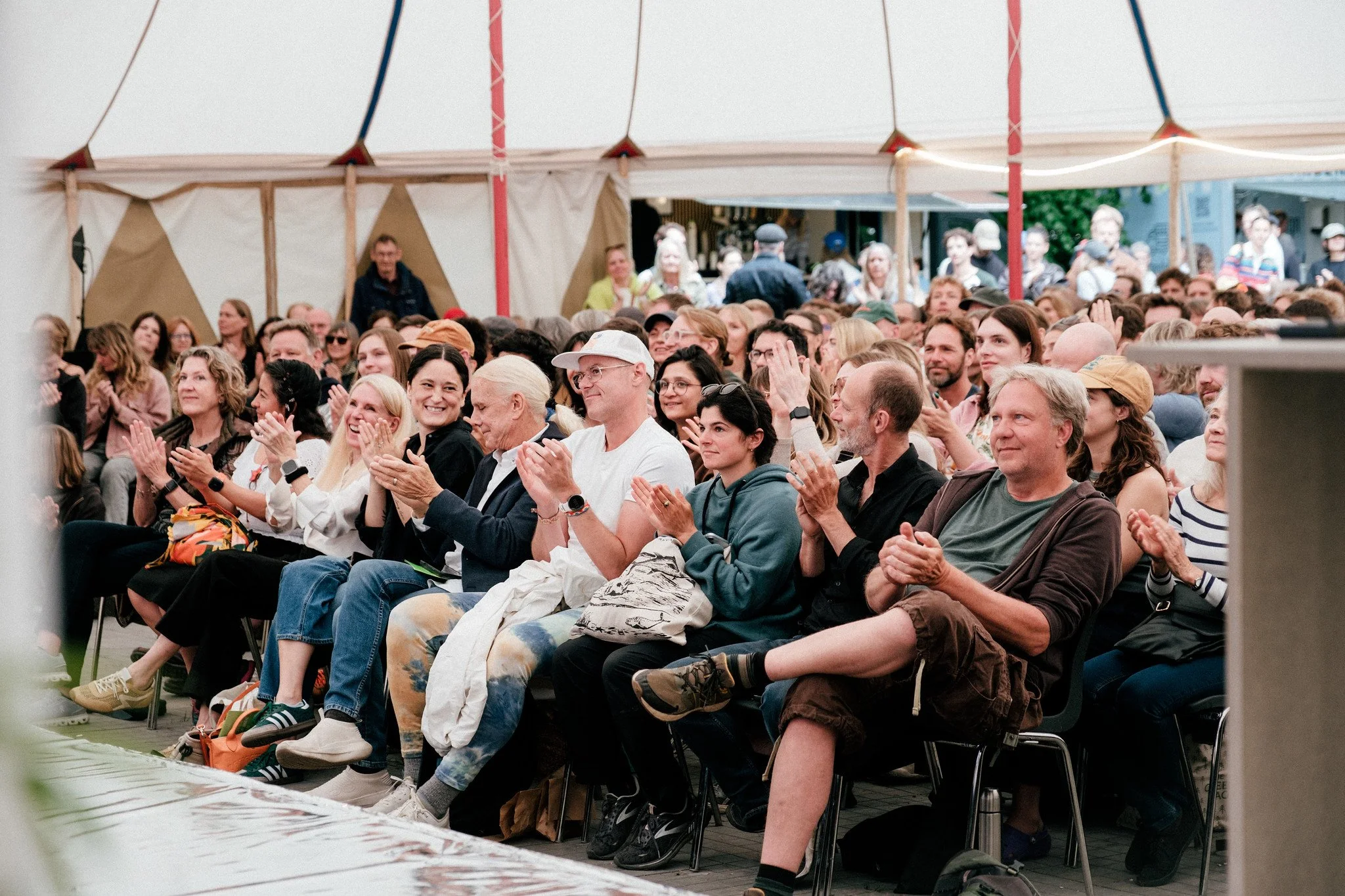
Photo: Malthe Ivarsson